Rappers dropped out of college to pursue music production and build unstoppable Careers: 30 examples
Rappers dropped out of college to pursue music careers and success.

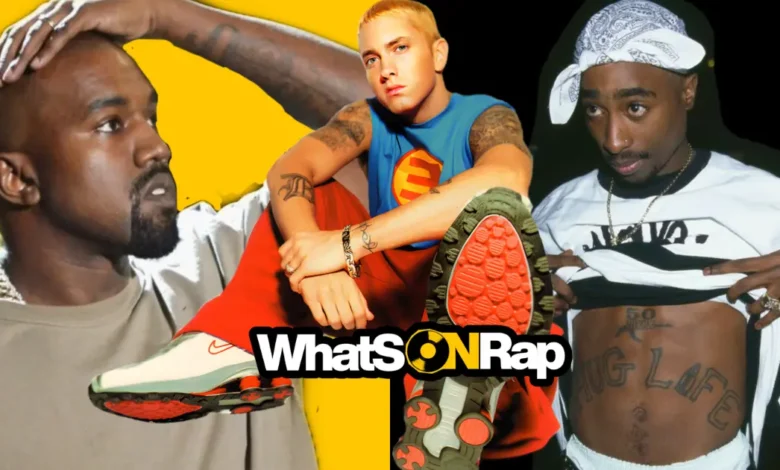
Rappers dropped out of college for many reasons, some driven by opportunity, others by necessity, and some by pure passion for music. The world of hip-hop has been shaped by artists who made the life-altering decision to leave school behind and focus on their craft. From Kanye West to Lil Wayne, these stories prove that success isn’t always found in classrooms but in drive, creativity, and persistence.
Leaving college or high school is rarely easy, yet many hip-hop icons saw it as a necessary step to achieve their dreams. Some were navigating tough personal circumstances, others recognized rare opportunities in the music industry, and some simply knew that the traditional path didn’t match their ambitions. Rappers dropped out of college not out of laziness, but with purpose, often turning these decisions into remarkable stories of resilience.
This article explores the lives of rappers dropped out of college, as well as other celebrities who left school early to follow their dreams. We’ll discuss their journeys, challenges, and successes, highlighting how leaving school sometimes led to groundbreaking contributions to music and pop culture.
Table of Contents
Rappers dropped out of college and Found Their Breakthrough
- Kanye West
Kanye West left Chicago State University during his second semester at age 20 after briefly attending the American Academy of Art. He chose to dedicate himself fully to music after receiving a record deal offer, leaving college to pursue his craft before earning a degree. This choice disappointed his professor mother but inspired his album The College Dropout. Kanye West is a perfect example of a dropped out of college to pursue music production artist, showing how leaving school can lead to revolutionary work in hip‑hop.
- Eminem
Eminem struggled in school, repeating ninth grade multiple times at Lincoln High School in Warren, Michigan. Intense bullying, frequent school changes, and poor grades made traditional education difficult. At 17, he dropped out of high school and later earned his GED, then focused on rap battles and music. Eminem proves that even difficult academic circumstances can lead to global success when combined with talent and determination.
- Jay‑Z
Jay‑Z left school during his sophomore year at Trenton Central High School after attending Eli Whitney High School and George Westinghouse Career and Technical Education High School in Brooklyn. He began full‑time involvement in street hustles while developing his rap career. Jay‑Z later called this period the “school of hard knocks” and admitted regret for not finishing school, yet he became a global business and music mogul.
- Lil Wayne
Lil Wayne left Marion Abramson Senior High School in New Orleans around ages 14–15. His mother withdrew him after finding he carried a gun for protection and supported him obtaining a GED. He did not attend traditional college before focusing fully on music, joining Cash Money Records and the Hot Boys, proving that leaving school under careful guidance can lead to immense musical success.
- 50 Cent
50 Cent was expelled in 10th grade for possessing crack cocaine, deepening his involvement in street life before music. He later earned a GED while incarcerated but did not pursue college afterward. He released albums like Get Rich or Die Tryin’, showing that leaving school doesn’t prevent extraordinary achievement.
- The Notorious B.I.G.
Biggie Smalls left George Westinghouse Career and Technical Education High School around age 17. He did not attend college, focusing instead on street life and rapping. This period of risk and creativity eventually led to his discovery and legendary status in hip‑hop.
- Tupac Shakur
Tupac left Baltimore School for the Arts in his late teens when his family moved to California due to financial instability. He did not attend college but pushed fully into poetry and rap, showing how life circumstances often shape artists’ careers.
- Snoop Dogg
Unlike many peers, Snoop Dogg graduated from Long Beach Polytechnic High School in 1989. He did not attend college but later became involved in gang life before turning fully to music, proving that school completion isn’t a prerequisite for hip‑hop stardom.
- DMX
DMX was expelled from school in his early years due to behavioral issues and spent time in group homes. He did not attend college, yet turned to street survival and music, underscoring how early hardships can still lead to lasting artistic impact.
- Juvenile
Juvenile left school in New Orleans to pursue music with Cash Money Records. He did not attend college, showing how leaving school can align with seizing early career opportunities.
- NBA YoungBoy
NBA YoungBoy dropped out in ninth grade, citing distractions and personal challenges; he did not attend college, and he turned these early life experiences into prolific music production and street‑influenced storytelling.
- DaBaby
DaBaby graduated from high school but dropped out of college to focus fully on music, quickly gaining recognition for his energetic style. He exemplifies a dropped out of college to pursue music production born in a generation ready to leverage opportunity.
- Nas
Nas openly reflected about dropped out of college to pursue music production interview, saying, “You need to keep educating yourself, and I wish I had stayed in school.” In reality, Nas left formal education after the eighth grade and never attended college, choosing instead to focus fully on writing and recording music. That early decision shaped his lyrical depth and ultimately helped establish him as one of hip-hop’s most respected and influential artists.
- Blueface
Blueface left high school in Los Angeles to focus on music and navigate the challenges of street life. He did not attend college, but early independence allowed him to develop a unique offbeat rap style that gained viral attention online, showing how early commitment can lead to recognition in hip‑hop.
- Roddy Ricch
Roddy Ricch attended Carson High School but did not pursue college; after leaving school, he focused on music as an outlet and a means to create opportunity for himself. His journey reflects the experience of many rappers who turned personal hardship into artistic growth.
- King Von
King Von left high school in Chicago amid gang involvement and legal challenges. He did not attend college, but used his experiences on the streets as material for his music, creating vivid narratives that resonated with fans.
- Juice WRLD
Juice WRLD graduated from Homewood-Flossmoor High School and did not attend college; after high school, he focused fully on music, seizing early SoundCloud success and experimenting with genre‑blending melodies.
- Pop Smoke
Pop Smoke attended multiple schools in Brooklyn during his youth but did not complete high school or attend college; after being expelled from eighth grade, he turned to music and street life, which helped shape his drill sound.
- Lil Durk
Lil Durk left school in his senior year to focus on music while navigating life in Chicago’s O’Block; he did not attend college, and his experiences helped him develop his voice as a drill artist.
- Chief Keef
Chief Keef left school at Dyett High School during his freshman year; he did not attend college, quickly becoming a pioneer of Chicago’s drill music scene.
- Gucci Mane
Gucci Mane did not attend college after high school. He left school early and turned his focus to music and street life, later becoming a successful independent artist.
- Young Thug
Young Thug left traditional schooling to focus full‑time on music and did not attend college, building his personal brand and unique style in trap music.
- Future
Future left formal schooling early and did not attend college; he channeled life pressures and family responsibilities into his music, crafting hits like Mask Off.
- Lil Yachty
Lil Yachty left Alabama State University shortly after starting to focus on his burgeoning music career. He exemplifies a dropped out of college to pursue music production born artist who embraced digital platforms to build a career.
- Plies
Plies attended the University of Central Florida and Miami but dropped out to pursue music full‑time, showing how prioritizing one’s career can be strategic for emerging artists.
- Diddy
Diddy left Howard University after his sophomore year to take an internship at Uptown Records, eventually founding Bad Boy Records, a real‑world example of stepping out of school to build an empire.
- Common
Common left Florida A&M University after two years on the encouragement of No I.D. and did not complete a college degree, focusing on writing and performing.
- D.R.A.M., 2 Chainz, Meek Mill, and Rick Ross
These artists each left school or college early to pursue music, illustrating a variety of paths to long‑term success in music production and performance.
- Iggy Azalea
Iggy Azalea left school at 16, earned a GED, and moved to Miami to pursue music; she did not attend college, showing early commitment can create a launchpad for global recognition.
- Soulja Boy
Soulja Boy dropped out early to focus on viral music and an independent hustle. He did not attend college, pioneering internet‑driven rap careers.
Reasons rappers dropped out of college and high school
Many artists leave school due to financial struggles, personal safety, family pressure, or early career opportunities. For example, Lil Wayne was pulled from school for his safety, while Kanye West left after receiving a record deal offer.
Street life, familial hardship, and early musical opportunity repeatedly appear as factors. These choices, though risky, often allow artists to pursue careers full-time in a competitive industry.
How dropping out shaped hip-hop and music production
Leaving college or high school has shaped hip-hop by allowing artists to devote full energy to music. From lyrical innovation to production breakthroughs, dropping out often coincides with creative peaks. Many, like Diddy or Kanye, learned the business side of music directly from real-world experience, proving that formal education isn’t the only path to success in the industry.
Other celebrities we didn’t know dropped out of school or college
- Daniel Radcliffe
Daniel Radcliffe began filming Harry Potter at the age of 10, which meant his schooling was immediately disrupted. Instead of following a traditional path, he worked with on-set tutors, juggling schoolwork with intense filming schedules.
Radcliffe has admitted in interviews that he never completed high school because “I figured university is something you do to find out what you want to do, and I knew what I wanted to do, and I was already doing it.”
- Jennifer Lawrence
Jennifer Lawrence’s rise to fame began at age 14, when a modeling scout discovered her during a family visit to New York City. She decided to leave middle school early to pursue acting, despite her parents’ reservations.
Lawrence worked tirelessly, taking small roles and auditions before landing major projects. In interviews, she’s emphasized that leaving school was necessary to “forge my own path” and pursue opportunities that would have been impossible otherwise.
- Ellen DeGeneres
Ellen DeGeneres attended the University of New Orleans but dropped out after just one semester. She began working at her cousin’s law firm while also taking on multiple odd jobs, from waitressing to bartending, all while testing her comedic skills.
Her early career demonstrates that leaving school can be an opportunity to immerse oneself in real-world experiences that build skills and resilience. Ellen’s path resembles those of many hip-hop artists who dropped out of college to pursue music production with real-life hustle before reaching success, showing that hands-on experience often outweighs formal degrees.
- Rihanna
Rihanna left high school in Barbados at 16 to sign with Def Jam Recordings, already having shown talent in school talent shows and beauty pageants. Her mother recalled she had always been a straight-A student, emphasizing that leaving school was a calculated decision to capitalize on a once-in-a-lifetime opportunity.
Rihanna’s story reflects how some individuals, whether in music or acting, find that following their talent immediately can be more fruitful than completing formal education. She embodies the concept of a dropped out of college to pursue music production artist, even though her path began earlier in life.
- Katy Perry
Katy Perry left high school during her freshman year but earned her GED at just 15, demonstrating commitment to learning while still pursuing her music dreams. She moved to Los Angeles to focus on her career and later reflected, “I’m kind of bummed at this stage that I didn’t have a great education because I could really use that these days.”
Perry’s story highlights the balance between pursuing dreams early and understanding the value of education, a lesson mirrored by many who dropped out to pursue music.
- Harry Styles
Harry Styles left school at 16 after auditioning for The X Factor, eventually joining One Direction. He also left behind his high school band, White Eskimo, choosing to prioritize his music career over classroom learning.
Styles’ story demonstrates that leaving school doesn’t mean abandoning growth; instead, it’s about aligning life with ambition. Like other artists who dropped out of college to pursue music production, Styles used early independence to gain experience, network, and hone his craft in ways a traditional school could not provide.
Lessons from rappers who dropped out of college
The journeys of these artists highlight that courage, focus, and persistence can outweigh traditional paths. While formal education is valuable, Rappers dropped out of college demonstrate that passion, timing, and resilience often determine who succeeds in music. Their stories inspire aspiring artists to seize opportunity, work relentlessly, and stay true to their vision.
The journeys of these artists show that leaving school or college was often a calculated risk driven by opportunity, hardship, or passion for music. While many rappers turned real-life experience into powerful careers, their stories also remind us that learning never truly stops.
Why rappers dropped out of college despite academic potential
Many people assume that rappers dropped out of college because they lacked discipline or interest in education, but that idea is misleading. In reality, several rappers dropped out of college even though they showed strong academic ability or clear intellectual curiosity.
For some, music opportunities arrived at a moment when balancing classes and studio time became impossible. Others felt that traditional education could not provide the real-world lessons they were learning through music, business, and life experience.
When rappers dropped out of college, it was often a strategic decision rather than a reckless one. The music industry moves quickly, and missing a window of opportunity can mean losing momentum forever. This urgency explains why rappers dropped out of college at pivotal moments, choosing hands-on experience over lectures and exams.
Rappers dropped out of college and learned through real-world experience
One of the most common patterns among rappers dropped out of college is how quickly they replaced formal education with real-world learning. Studio sessions became classrooms, producers became mentors, and record deals became crash courses in business. Many rappers dropped out of college only to gain knowledge in contracts, branding, marketing, and financial management much faster than traditional schooling could offer.
For rappers dropped out of college, life itself became the teacher. Touring taught discipline, failure taught resilience, and success taught responsibility. This practical education helped many artists survive and thrive in a competitive industry where mistakes are costly and guidance is limited.
Financial pressure and why rappers dropped out of college
Another major reason rappers dropped out of college is financial pressure. Tuition costs, housing expenses, and family responsibilities often forced young artists to choose between survival and education. Some rappers dropped out of college because they needed immediate income, while others saw music as the only viable path to financial stability.
In these cases, rappers dropped out of college not because they undervalued education, but because they could not afford to wait. Studio time, performances, and early music releases became sources of income that school could not provide fast enough.
How rappers dropped out of college changed hip-hop culture
The influence of rappers dropped out of college extends far beyond personal success stories. Their experiences reshaped hip-hop culture itself. Lyrics became more grounded, more reflective of real struggle, and more connected to lived experience. When rappers dropped out of college, they brought raw honesty into their music, which resonated deeply with listeners facing similar choices.
Because rappers dropped out of college, hip-hop evolved into a genre that values authenticity over credentials. This shift helped build a culture where storytelling, survival, and ambition became just as important as formal education.
Rappers dropped out of college but never stopped learning
A critical point often overlooked is that rappers dropped out of college did not stop educating themselves. Many continued reading, studying history, learning instruments, and mastering production techniques independently. Some rappers dropped out of college later returned to school, earned GEDs, or publicly encouraged education despite their own choices.
This proves that when rappers dropped out of college, it did not mean rejecting knowledge, it meant choosing a different way to acquire it. Learning simply moved outside traditional institutions.
What aspiring artists can learn from rappers dropped out of college
The stories of rappers dropped out of college offer valuable lessons for aspiring artists. First, dropping out is not a shortcut to success, it is a risk that requires extreme discipline. Second, rappers dropped out of college only succeeded because they worked relentlessly, often harder than they would have in school.
Most importantly, rappers dropped out of college understood timing. They recognized moments when opportunity demanded full commitment. For anyone considering a similar path, these stories emphasize preparation, self-awareness, and accountability.
At the core, rappers dropped out of college for complex and deeply personal reasons. Opportunity, pressure, passion, and survival all played roles. Their journeys remind us that success is not tied to one path. While education matters, determination, creativity, and persistence matter just as much.
The legacy of rappers dropped out of college proves that unconventional choices can still lead to lasting impact, when paired with vision and hard work.