The New York Times has once again sparked major conversation in the music world with a new list celebrating songwriting excellence across generations and genres. The NY Times brings together some of the most influential voices in American music history, placing rap, hip hop, R&B, country, and pop artists in one cultural spotlight.
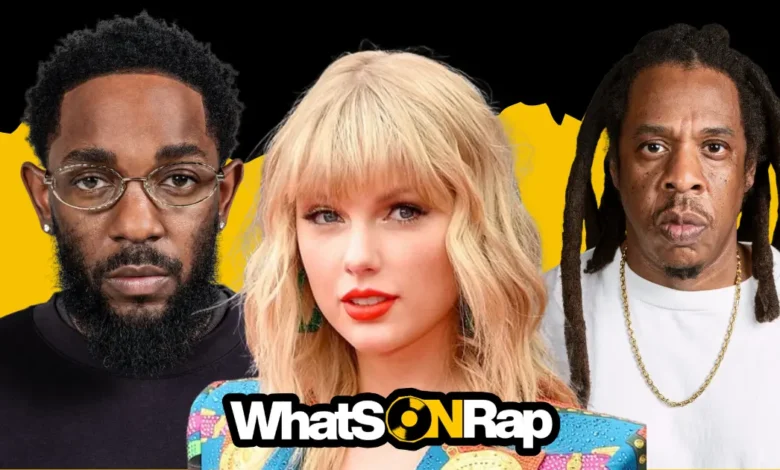
The NY Times published its selection of the 30 greatest living American songwriters, a carefully curated list that highlights how deeply music influences everyday life. From rap innovators like Jay-Z, Kendrick Lamar, Missy Elliott, Outkast, and Young Thug to global icons like Taylor Swift and Bob Dylan, the list reflects a wide creative spectrum.
Instead of ranking artists, the focus is on impact, storytelling, and cultural reach. That approach gives room for rap and hip hop to stand proudly alongside traditional songwriting giants.
Table of Contents
The New York Times Names 30 Greatest Living American Songwriters
The NYT list was developed with input from more than 250 music insiders along with six critics from the publication. The goal was not competition but recognition of songwriting as a living, evolving art form.
The New York Times includes a wide mix of artists who have shaped modern sound. The list features Jay-Z, Kendrick Lamar, Outkast, Missy Elliott, Young Thug, Nile Rodgers, Paul Simon, Taylor Swift, Dolly Parton, Babyface, Fiona Apple, Mariah Carey, Willie Nelson, Bob Dylan, Lana Del Rey, The-Dream, Bad Bunny, Bruce Springsteen, and Smokey Robinson.
What makes the selection stand out is how it connects different eras of music under one creative thread. Hip hop legends sit alongside country icons and pop innovators, showing how songwriting crosses boundaries more than ever.
Rap and Hip Hop’s Strong Presence in the NY Times List
Rap and hip hop play a major role in shaping the identity of this list. The NY Times highlights how artists like Jay-Z and Kendrick Lamar transformed songwriting into storytelling that reflects real-life experience, struggle, and success.
Outkast is recognized for changing the sound of Southern hip hop and putting Atlanta on the global music map. Missy Elliott’s inclusion reflects her creative approach to both lyrics and production, while Young Thug represents a newer experimental wave in rap.
The New York Times also includes commentary from fellow artists, adding depth to the selections. Pusha-T speaks about Jay-Z, Erykah Badu reflects on Stevie Wonder, Stevie Nicks praises Taylor Swift, FKA Twigs discusses Missy Elliott, Mike WiLL Made-It highlights Young Thug, Killer Mike focuses on Outkast, Tainy speaks on Bad Bunny, and George Clinton comments on Kendrick Lamar.
Cultural Impact Behind The New York Times Selection
The NY Times explains that the list was shaped by a broad and emotional understanding of songwriting. It wasn’t just about technical skill but about how songs live in people’s daily lives.
The NY Times shared: “We considered all sorts of remarkable songwriters, including lots of weird geniuses and under-loved influences,” a Times article breaking down the thought process behind the list explained. It also added: “But we were drawn back toward the beating-heart story of American song, to people whose music has reverberated through private worlds and across the public square, echoing through headphones, radios, grocery-store aisles, TikTok videos and school-gym ceremonies, blasting out of karaoke machines, club speakers and the windows of passing cars.”
This perspective shows how songwriting today moves far beyond albums and radio. It now exists everywhere music can be heard or felt.
Why The New York Times List Matters for Hip Hop Culture
The New York Times list is more than just recognition, it reflects how hip hop has become a dominant force in American songwriting. Artists like Kendrick Lamar and Jay-Z are now seen alongside legends like Bob Dylan and Smokey Robinson, showing how the definition of songwriting has expanded.
Outkast’s influence on Atlanta rap, Bad Bunny’s global reach, and Missy Elliott’s innovation all highlight how modern music is no longer limited by genre or language. The NY Times places these artists in a shared cultural space where impact matters more than category.
The NY Times also highlights how many of these artists have built long, evolving careers. Their discographies stretch across decades, influencing new generations of rappers, producers, and songwriters.
Final Thoughts
The NY Times ultimately presents this list as a celebration of creativity rather than competition. It shows how songwriting continues to evolve through rap, hip hop, pop, and beyond. NY Times reinforces the idea that music today is deeply interconnected, shaped by artists who push boundaries and redefine genres. From Kendrick Lamar’s storytelling to Missy Elliott’s innovation, the influence is undeniable.
In the end, the NYT captures a simple idea: great songwriting is not just about words or melodies but about how deeply those songs connect with people across time, place, and culture.

