RZA Rap GOAT Praise Puts Ice Cube Back In Hip-Hop’s Greatest Of All Time Debate
RZA Ignites Hip-Hop Legacy: Why Ice Cube Stands as a True Rap GOAT.

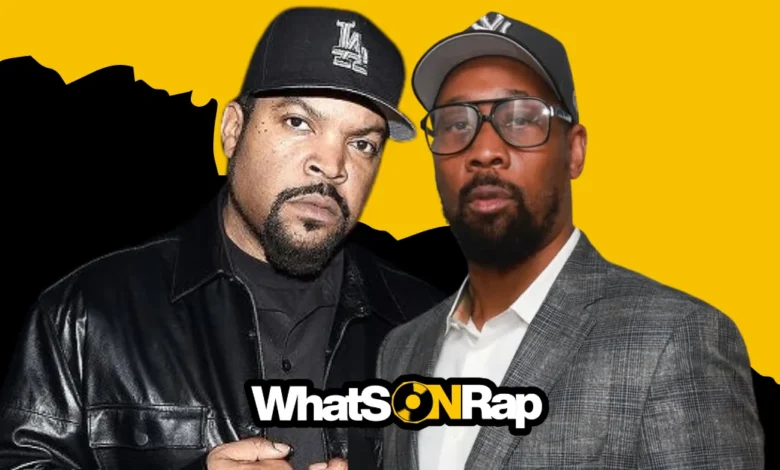
RZA Rap GOAT conversations are heating up across hip-hop once again after RZA gave major praise to Ice Cube during a recent Apple Music interview. In a genre where fans constantly debate who belongs on rap’s Mount Rushmore, moments like this instantly grab attention. When a respected artist speaks on another legend’s impact, people listen carefully.
Hip-hop has always been built on legacy, storytelling, and influence. That is why RZA’s comments about Ice Cube quickly spread across social media platforms and rap communities. Fans from both the East Coast and West Coast started revisiting Cube’s classic records while discussing how much he changed the direction of rap music during the late 1980s and early 1990s.
The conversation also reminded younger fans that hip-hop history is deeper than streaming numbers and chart success. Artists like Ice Cube helped shape the culture at a time when regional divides were real, and earning respect outside your own coast was not easy. That larger message is exactly why the RZA Rap GOAT discussion continues gaining momentum online.
Table of Contents
RZA Rap GOAT Discussion Highlights Ice Cube’s Cultural Impact
The RZA Rap GOAT moment happened during Apple Music’s “Five Best Songs” series hosted by Matt Wilkinson in London earlier this month. Throughout the interview, RZA reflected on music history, influential artists, and the records that helped shape hip-hop culture over the years.
While discussing Ice Cube’s legendary track “It Was a Good Day,” RZA explained why Cube became such a powerful figure in rap history. His comments immediately stood out because they touched on something deeper than sales or popularity. RZA focused on influence and cultural connection.
“Ice Cube was the one who made the East listen to the West, he had all these stories, that ability…and when he did the album with the Bomb Squad, he unified Hip-Hop, plus he is a very smart person.”
For many longtime rap fans, that statement carried serious weight. RZA is not just another rapper sharing an opinion online. He is the mastermind behind Wu-Tang Clan’s sound and one of hip-hop’s most respected producers and lyricists. Hearing him place Ice Cube in that conversation gave the moment extra importance.
Ice Cube Changed East Coast And West Coast Hip-Hop Relations
The RZA Rap GOAT conversation also opened the door for fans to revisit one of hip-hop’s most important eras. During the late 1980s, rap music was heavily divided by region. East Coast hip-hop dominated much of the conversation, while West Coast artists often had to fight harder for recognition outside California.
Ice Cube helped change that perception.
After rising to fame with N.W.A., Cube stepped into solo stardom with AmeriKKKa’s Most Wanted in 1990. The album became a turning point in rap history because it combined West Coast storytelling with production from Public Enemy’s Bomb Squad in New York.
That collaboration mattered far beyond music. It symbolized unity between two major hip-hop scenes during a time when regional competition was intense. Cube’s raw lyricism, political commentary, and street narratives connected with listeners across the country.
RZA specifically pointed toward that era while explaining how Cube forced East Coast audiences to pay attention. His storytelling ability and authenticity made him impossible to ignore.
RZA Rap GOAT Praise Shows Respect For More Than Music
Another reason the RZA Rap GOAT conversation feels important is because the praise went beyond music alone. RZA also acknowledged Ice Cube’s intelligence and business mindset, something many hip-hop artists respect deeply.
Over the years, Ice Cube expanded far beyond rap. After dominating music, he built a successful Hollywood career through films like Boyz n the Hood and Friday. He later launched the BIG3 basketball league while continuing to remain active in entertainment and business.
That versatility is a huge part of Cube’s legacy. Many artists can make classic songs, but very few manage to impact music, film, sports, and business all at once.
Fans online also pointed out that Cube’s consistency deserves more recognition in modern GOAT conversations. Albums like Death Certificate and The Predator still influence rappers today because of their honesty, aggression, and social commentary.
RZA Rap GOAT Debate Continues Across Hip-Hop Culture
As clips from the interview spread online, the RZA Rap GOAT debate started trending again among rap fans discussing all-time greatness. Ice Cube’s name immediately reentered conversations alongside artists like Nas, Jay-Z, Tupac Shakur, The Notorious B.I.G., and Rakim.
What makes Cube special is how many different generations connect with his work. Older fans remember his groundbreaking N.W.A. days and politically charged solo albums. Younger listeners often discover him through movies, interviews, and viral hip-hop discussions online.
Moments like this also remind people how interconnected rap history really is. One legendary artist giving flowers to another creates conversations that keep hip-hop culture alive.
The RZA Rap GOAT comments did exactly that. They pushed fans to revisit classic albums, rediscover forgotten moments in rap history, and appreciate the artists who helped shape the culture into what it is today.
In an era dominated by quick trends and nonstop releases, that kind of respect still matters deeply in hip-hop.