Outkast vs Ovrkast – Full Story Behind the Trademark Lawsuit
When two similar names sparked a full-blown hip-hop courtroom showdown

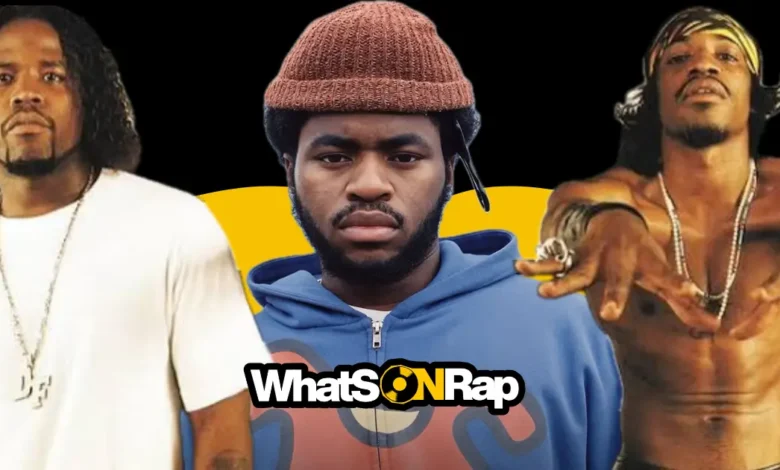
Outkast vs Ovrkast has exploded into one of the biggest hip-hop legal stories of 2026 after the legendary Atlanta duo took rising Oakland artist Ovrkast to federal court over a stage name that looks and sounds almost identical. What began as a private warning letter turned into a full lawsuit when the younger rapper allegedly broke an agreement to change his name. Fans across the culture are watching closely as claims of trademark infringement, consumer confusion, and “malicious intent” fill the court documents.
This article delivers the complete A-to-Z breakdown of the dispute, covering the original cease-and-desist, the failed settlement, the exact court filing, key quotes, related past battles, and every public reaction so far. You will find the full timeline, the demands made by André 3000 and Big Boi’s company, and how the case connects to earlier trademark fights involving the iconic group.
By the time you finish reading, you will understand exactly how a name similarity grew into a high-stakes federal case and what it means for independent artists navigating famous brands in today’s music industry.
Table of Contents
Outkast vs Ovrkast: The Full Timeline From Warning to Courtroom
The story of Outkast vs Ovrkast officially began long before the September 2026 headlines. Outkast, formed in 1993 by André 3000 (André Benjamin) and Big Boi (Antwan Patton), built one of the most respected catalogs in hip-hop.
Six Grammy Awards, more than 25 million records sold worldwide, and a November 2025 induction into the Rock & Roll Hall of Fame made their name one of the most valuable trademarks in the culture. That trademark is owned and protected by High Schoolers LLC, a company controlled solely by the two members.
On the opposite side is Silas Wilson, the 28-year-old Oakland rapper and producer known as Ovrkast. Wilson has quietly built a strong underground reputation since 2020 with thoughtful projects and production credits for artists such as Earl Sweatshirt and Drake. He has always maintained that his name comes from the word “overcast” and was never meant as a reference to the Atlanta legends. Still, the close spelling and sound created repeated confusion among listeners.
In a July 2025 Rolling Stone interview, Wilson openly addressed the mix-ups: “They read Ovrkast [as] Outkast. Mad n***s do that shit. They’re like, oh my God, I thought they said Outkast. And it’s like, it don’t, so…” That admission later became a key piece of evidence in the lawsuit.
According to AllHipHop, the formal conflict started on June 18, 2025, when lawyers for High Schoolers LLC sent Wilson a cease-and-desist letter. The letter demanded that he immediately stop using the name Ovrkast on music, social media, websites, merchandise, and any other commercial platforms. Outkast’s team argued the name was “nearly identical” and risked deceiving the public into believing a connection existed.
Negotiations followed. Court documents and reports state that the two sides reached a written settlement agreement. Wilson allegedly agreed to permanently drop Ovrkast and switch to the new name Overkxst (also styled as OVERKXST). The change was required across every platform and product. After Wilson asked for more time, both parties settled on a firm deadline of July 15, 2026.
When that date passed, the name remained in use. Wilson continued releasing music as Ovrkast, including the single “Knock” featuring Samara Cyn and MAVI on September 10, 2026. Streaming pages, social accounts, and promotional materials still carried the original moniker. Outkast’s lawyers sent a formal breach notice in August. When the situation did not change, they moved to federal court.
The September 2026 Federal Lawsuit Explained
On September 16, 2026, High Schoolers LLC filed a detailed 31-page complaint in the U.S. District Court for the Northern District of Georgia in Atlanta. The case number is 1:26-cv-05345 and it was assigned to U.S. District Judge Eleanor L. Ross. Outkast requested a jury trial.
The lawsuit includes roughly ten counts covering federal trademark infringement, unfair competition, trademark dilution, breach of contract, and related Georgia state-law claims. According to AllHipHop and the court filing itself, the complaint accuses Wilson of “improper, willful, unauthorized, and illegal use of the nearly identical name.”
Outkast claims Wilson chose the name with full knowledge of their famous mark and with the intent “to trade upon the tremendous fame and goodwill” associated with Outkast. The filing describes his actions as showing “intentional, willful, and malicious intent.” It also points to the 2025 Rolling Stone interview as clear proof that real consumer confusion already exists.
The company is asking the court for a permanent injunction that would ban Wilson from using Ovrkast or any similar name forever. They also want him to destroy all merchandise and marketing materials carrying the disputed name, turn over any profits made while using it, and pay attorney fees and additional damages.
Ovrkast’s Public Reaction and the Current Status
When news of the lawsuit broke on September 22, 2026, Wilson responded quickly on Instagram. He posted a screenshot of an article about the case and wrote: “I thought it was love? @andre3000 @bigboi (yes this is real).” He later shared Stories featuring a broken-heart emoji and the song “Why Can’t We Be Friends” by War. In the comments he described himself as “just a young Black man trying to get ahead.”
As of late September 2026, Wilson has not yet filed a formal legal response. The case remains in its earliest stages with no public hearings scheduled.
This is not the first time Outkast has aggressively protected its intellectual property. In 2024 the same company sued an electronic duo called ATLiens over the use of a name taken from Outkast’s classic 1996 album. That case was settled out of court in February 2026. The current fight shows the duo is willing to go further when they believe their brand is at risk.
The Outkast vs Ovrkast dispute has already sparked wide discussion about name originality, trademark power, and the challenges independent artists face when their branding sits too close to legends. Whether the case ends in a settlement or a full trial, it stands as a clear reminder that in today’s music industry, a name is never just a name.