Why Rappers Rap About How Successful They Are: Top 12
Why rap flexing hits hard… and sometimes hurts our wallet feelings!

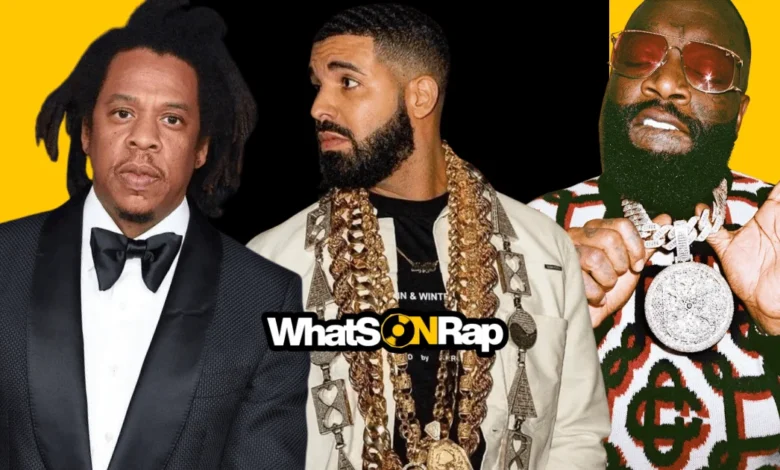
Rappers Rap About how successful they are for many reasons, and as someone who spends a lot of time listening to rap and hip-hop, I always found this topic fascinating. When you think about it, success stories in this genre aren’t just bragging; they’re a whole cultural language of ambition, survival, and pride. That’s why I wanted to write about it in an honest, simple, and clear way so that readers can better understand what’s behind these powerful lyrics.
Another reason I’m writing this article is because so many people hear rappers talk about wealth, fame, and winning, but they don’t always understand why these themes show up again and again. If you’ve ever listened to songs like “Juicy,” “A Milli,” “Started From the Bottom,” or “Money,” you know the energy behind those lines is more than just showing off. I wanted to break that down in a human way, without complicated academic explanations or robotic textbook language.
The last reason I felt this article was worth writing is that rap and hip-hop are among the most influential music genres in the world. People look up to rappers, relate to them, and find motivation in their stories. To really enjoy rap the way it deserves, we need to understand the storytelling behind it. So let’s go deeper into why so many rappers celebrate their success and why listeners love hearing it.
Table of Contents
Success Stories Are Rooted in Hip-Hop’s History
To understand why rappers rap about how successful they are, you have to look back at the roots of hip-hop. This genre wasn’t created in fancy studios or wealthy neighborhoods. It was born in communities where people faced poverty, discrimination, and a lack of opportunities. For many early artists, simply surviving was already an accomplishment worth expressing through music.
Take The Notorious B.I.G.’s legendary track “Juicy.” In that song, Biggie paints a clear picture of where he came from and what it took to rise above it. When he says, “Super Nintendo, Sega Genesis / When I was dead broke, man I couldn’t picture this,” he isn’t bragging; he’s showing his audience that dreams can become reality. His success becomes proof of what’s possible when you refuse to give up.
Hip-hop started as a voice for people who weren’t being represented anywhere else. So when artists talk about their achievements today, they’re honoring a tradition that reflects the struggles of an entire community. Success becomes a symbol of personal victory and cultural pride.
Bragging Is Actually an Art Form in Rap and Hip-Hop
One thing many people outside of hip-hop don’t know is that bragging, or “braggadocio” is part of the rap culture. It’s woven into the art itself. Rap battles, freestyle cyphers, and lyrical showdowns shaped the genre from day one. To be a great MC, you need confidence, rhythm, skill, and a certain level of swagger.
That’s why artists like Jay-Z, Lil Wayne, and Nicki Minaj perfected the craft of braggadocious lyrics. Jay-Z does this unmistakably in songs like “On to the Next One,” while Lil Wayne’s clever punchlines in “6 Foot 7 Foot” pack confidence into every bar. Nicki Minaj also delivers bold, unapologetic lines in songs like “Moment 4 Life,” turning success into a form of empowerment.
In rap, confidence isn’t just encouraged; it’s respected. Fans expect it. It’s part of what makes the genre exciting. Rappers rap about how successful they are because their success represents transformation.
When someone grows up without financial security, without support, or without access to opportunities, success becomes more than an achievement; it becomes a transformation. Many rappers use their music to show how far they’ve come.
Think about Drake’s “Started From the Bottom.” Whether people debate his journey or not, the message remains powerful. The idea of coming from nothing and rising to the top resonates with millions of listeners, especially young people chasing their dreams.
Another example is Kendrick Lamar’s “King Kunta,” where he talks about power, growth, and his rise within the rap industry. Kendrick shows success as something deeper than material wealth; it’s about influence, legacy, and breaking generational cycles.
These stories inspire listeners who feel stuck or overlooked. When rappers share their growth, it becomes motivation instead of just a boast.
Materialism Has Symbolic Meaning in Hip-Hop Culture
Luxury cars, diamonds, designer brands, and mansions appear in many rap songs. And while some might assume these images are just about showing off, they actually carry deeper meaning.
For generations, people from marginalized communities were denied access to wealth and economic stability. In this context, symbols of luxury become proof that the system didn’t win, the artist did.
Rick Ross embraces this theme in “Hustlin’,” while Cardi B uses songs like “Money” to remind listeners of her journey from the Bronx to global fame. And Migos turned their own lifestyle into a catchy cultural moment with “Bad and Boujee.”
In hip-hop, wealth represents triumph, not greed.
Audiences Enjoy Hearing About Success, And Rappers Know It
Listeners love songs that make them feel powerful, inspired, or in control. When a rapper proudly says they made it, that energy transfers to the audience. It becomes fuel.
This explains why tracks like Travis Scott’s “SICKO MODE” or Eminem’s “Lose Yourself” get millions of streams. Success isn’t just a theme; it’s an emotional experience. When fans hear it, they feel uplifted and motivated.
Record labels also recognize this. Tracks that celebrate success tend to do well on radio, streaming platforms, and social media. So rappers continue making them because there is a clear demand.
Most Famous Rappers Who Rap About How Successful They Are
- The Notorious B.I.G.
Famous Song: “Juicy” (Ready to Die)
Biggie’s timeless anthem reflects on his early struggles and rise to success, becoming one of hip-hop’s most iconic stories of ambition. - Jay-Z
Famous Songs: “On to the Next One” (The Blueprint 3), “U Don’t Know” (The Blueprint)
Jay-Z often explores themes of wealth, entrepreneurship, and elevation, making success a major part of his identity. - Drake
Famous Songs: “Started From the Bottom” (Nothing Was the Same), “Energy” (If You’re Reading This It’s Too Late)
Drake frequently highlights growth and the journey from humble beginnings to global superstardom. - Kendrick Lamar
Famous Songs: “King Kunta” (To Pimp a Butterfly), “Humble” (DAMN.)
Kendrick explores success through influence, cultural impact, and personal evolution—not just fame or wealth. - Lil Wayne
Famous Songs: “A Milli” (Tha Carter III), “6 Foot 7 Foot” (Tha Carter IV)
Wayne’s lyrics often flex wealth, status, and lyrical dominance within the rap world. - Nicki Minaj
Famous Songs: “Moment 4 Life” (Pink Friday), “Super Bass” (Pink Friday)
Nicki blends empowerment, fame, and financial success, celebrating personal achievement throughout her music. - Rick Ross
Famous Songs: “Hustlin’” (Port of Miami), “Rich Forever” (Rich Forever)
Ross centers his brand on luxury, business success, and rising above obstacles. - Cardi B
Famous Songs: “Money” (Invasion of Privacy), “I Like It” (Invasion of Privacy)
Cardi shares her journey from struggle to stardom, highlighting themes of wealth, empowerment, and confidence. - Future
Famous Songs: “Life Is Good” (High Off Life), “Mask Off” (FUTURE)
Future often celebrates luxury, success, and overcoming adversity in his music. - 50 Cent
Famous Songs: “I Get Money” (Curtis), “If I Can’t” (Get Rich or Die Tryin’)
50 Cent builds his persona around survival, business achievements, and financial wins. - Travis Scott
Famous Songs: “SICKO MODE” (Astroworld), “Goosebumps” (Birds in the Trap Sing McKnight)
Travis highlights fame, wealth, and lifestyle themes across his high-energy music. - DJ Khaled
Famous Songs: “All I Do Is Win” (Victory), “We the Best” (We the Best Forever)
DJ Khaled embraces success, motivation, and celebration, turning victory into a lifestyle brand.
Some rappers don’t just celebrate success; they build their entire brand around it. DJ Khaled is a perfect example. His song “All I Do Is Win” practically became an anthem for victory. Future does something similar in songs like “Life Is Good,” and 50 Cent built his identity around survival and achievement in “I Get Money.”
These artists understood that fans love confidence, motivation, and power. So they leaned into that image completely.
When we look closely, it becomes clear that rappers rap about how successful they are for meaningful reasons. It’s part of hip-hop’s history, culture, creativity, competition, identity, and relationship with the audience. From “Juicy” to “Started From the Bottom” to “Money,” the message behind these songs isn’t just about money or fame. It’s about resilience, dreams, growth, and the pride of overcoming the odds.
Hip-hop uses success as a tool for storytelling, and that’s exactly what makes the genre powerful.