Lil Pump calls out J. Cole over past diss and Kendrick Lamar apology
Lil Pump calls out J. Cole for backing down after Kendrick Lamar diss.

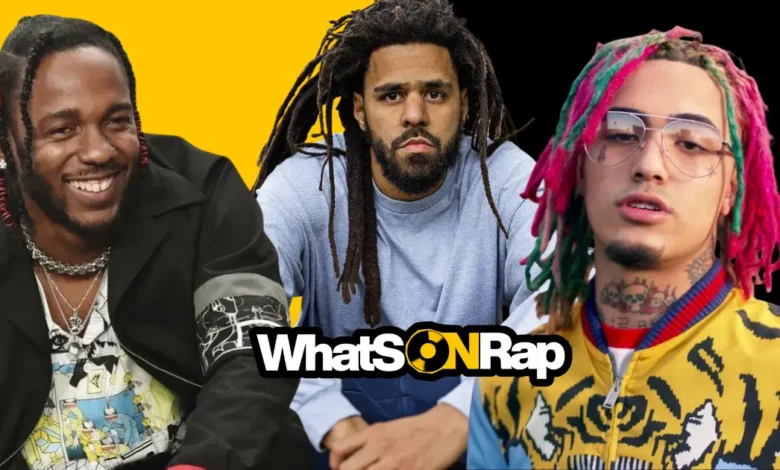
Lil Pump calls out J. Cole at the start of a heated conversation, addressing the rapper’s 2024 apology to Kendrick Lamar after dissing him on “7 Minute Drill.” The “Gucci Gang” rapper sees the apology not as reconciliation, but as a weak move, especially considering their history. Fans of hip hop and rap have been watching these interactions closely, as the situation touches on legacy, reputation, and the complex dynamics between generations of artists.
Over the years, Lil Pump calls out the North Carolina rapper for what he considers inconsistent behavior. The feud traces back to Kendrick’s lyrics on “Like That” with Future and Metro Boomin, where he denied the existence of a “Big Three” between himself, Cole, and Drake. Cole responded with “7 Minute Drill” on his Might Delete Later mixtape, only to later remove the track entirely.
Even after Cole’s recent apology to Kendrick, Lil Pump calls out him once again, comparing the situation to other notable rap conflicts. He argues that age and credibility in hip hop don’t necessarily protect established stars from younger talent challenging their place in the culture. “That’s some soft-ass shit,” Pump said, adding, “Threw a rock over the bush.”
Table of Contents
Lil Pump calls out J. Cole over past diss and apology
Lil Pump calls out J. Cole for incidents going back to 2018 when Cole allegedly dissed mumble rap artists on “1985” from K.O.D.. This led Pump to call him a “lame ass jit,” although the two eventually met face-to-face. The ongoing tension highlights how public rap disputes can linger, shaping perceptions of authenticity and respect within hip hop.
During an interview with Akademiks, Pump addressed how Cole let a younger artist get under his skin. “And then he kept going after that. I’m like, ‘Bro, I’m 17 years old and you 40-something,’” he said. “And then you let in a 17-year-old get under your skin? That means I’m doing something right with you.” This moment underscores the generational shift in hip hop, where new artists are challenging old hierarchies and testing reputations.
Pump criticizes Cole’s handling of the apology
Lil Pump calls out the rapper not only for past diss tracks but also for how he delivered his apology to Kendrick Lamar. “The first thing I did when I walked in his fucking house is go in his refrigerator and start eating hella snacks,” Pump recalled. “I went straight to that boy’s fridge. Hot dog, chips, cereal, boom… Yeah, no type of respect for that man’s house.”
Pump also expressed frustration at the lack of direct accountability, calling Cole a “f*cking p*ssy” for not apologizing to him personally. The comments mix humor, bravado, and criticism, showcasing the competitive energy that drives the rap industry.
The broader hip hop world has also commented on the so-called “Big Three” drama. Fat Joe questioned Cole’s position in the trio on his Joe and Jada podcast, while Charlamagne Tha God declared the era effectively “extinct,” noting that Kendrick and Drake were the only artists actively engaging with one another. These perspectives add context to Lil Pump calls out moments, highlighting how disputes are often tied to perception and influence in rap culture.
Feuds, reconciliation, and legacy
Even though Cole and Pump eventually had a sit-down interview, Lil Pump calls out his former critic to emphasize lingering tension.
The exchange demonstrates how accountability, storytelling, and reputation remain central to hip hop culture. Public feuds, playful insults, and pointed commentary all contribute to the larger narrative that shapes rap history.
Lil Pump calls out J. Cole while reminding fans of the generational shifts within hip hop. Younger rappers like Pump bring fresh perspectives and challenge established norms, keeping the genre dynamic. Feuds and apologies, even when partially resolved, remain part of the competitive dialogue that drives artistry and maintains the culture’s vitality.
In the end, the feud between Lil Pump, J. Cole, and Kendrick Lamar shows that hip hop is more than just music, it’s about reputation, respect, and legacy. With Lil Pump calling out moments like these, fans get an authentic glimpse into how personalities, history, and artistry intersect, keeping rap culture vibrant and endlessly debated.