Rapper businesses: how rappers build powerful and successful Million-Dollar businesses
Discover how rapper businesses have transformed hip-hop, turning artists into moguls and creating lasting wealth across music, fashion, beverages, and tech.

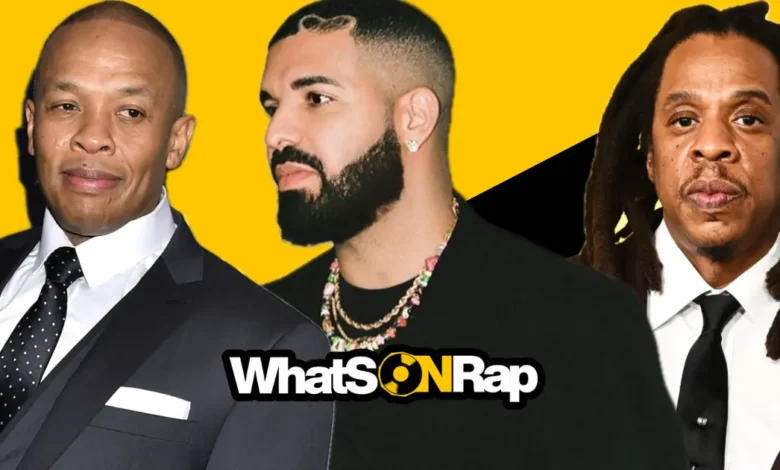
Rapper businesses have completely transformed how the world sees hip-hop success, turning microphone legends into billion-dollar CEOs who dominate everything from champagne to cannabis drinks and tech empires. From Jay-Z’s $2.7 billion empire built on Armand de Brignac and Roc Nation to Dr. Dre officially joining the 2026 Forbes Billionaires list thanks to the Beats by Dre legacy, these ventures prove that rap talent plus smart ownership equals generational wealth.
This article explores the full journey of rapper businesses across every major industry, spotlights iconic examples from old-school pioneers to today’s rising stars like Cardi B and Travis Scott, and concludes that rapper businesses are no longer side hustles; they are the new blueprint for artistic independence and lasting economic power in 2026.
Building directly on that foundation, the power of these ventures lies in their ability to blend cultural authenticity with sharp business moves, creating brands that fans actually buy into for decades. Whether it’s 50 Cent flipping a simple endorsement into a $100 million Vitaminwater exit or Snoop Dogg launching an entire 7-brand cannabis beverage house called Iconic Tonics in 2025, the pattern is clear and repeatable.
In the following deep dive, we examine every angle so you walk away understanding exactly how rapper businesses continue to evolve, dominate multiple sectors, and inspire the next wave of artists to own their destiny instead of just renting it, that is the complete takeaway and conclusion of everything covered here.
Ultimately, after mapping the full landscape from 1990s street-wear launches to 2026 haircare drops and hemp tonics, it becomes obvious that rapper businesses represent the ultimate fusion of creativity and capitalism. They have generated billions, created thousands of jobs, and shifted the narrative from “rapper” to “mogul.”
Table of Contents
Rapper Businesses Across Every Industry: Legends, New Stars & Billion-Dollar Proof
Rapper businesses first exploded in the late 1990s and early 2000s when artists realized their cultural influence could be bottled, worn, and invested in. Jay-Z launched Rocawear in 1999, turning street fashion into a global rap brand phenomenon that still influences trends in 2026.
That same visionary approach fueled rapper entrepreneurship when he co-founded Roc Nation in 2008, which now manages artists, athletes, and even NFL partnerships while generating nine-figure revenue annually. These early moves laid the groundwork that every modern rapper still studies.
Jay-Z: Rocawear to Roc Nation Blueprint
Jay-Z launched Rocawear in 1999, turning street fashion into a global rap brand phenomenon that still influences trends in 2026.
That same visionary approach fueled rapper entrepreneurship when he co-founded Roc Nation in 2008, which now manages artists, athletes, and even NFL partnerships while generating nine-figure revenue annually. These early moves laid the groundwork that every modern rapper still studies.
Dr. Dre: Beats by Dre Audio Empire
One of the most legendary examples of rapper business success remains Dr. Dre. After co-founding Aftermath Entertainment and producing for legends, he created Beats by Dre in 2006 with Jimmy Iovine.
The 2014 sale to Apple for $3 billion made him a paper billionaire at the time; Forbes officially confirmed his return to the 2026 Billionaires List with a net worth exceeding $1 billion, proving the long-term power of audio tech as one of the smartest industries for rapper brands. Dre’s story shows how technical innovation plus star power can create lasting value far beyond music.
50 Cent: Vitaminwater & Power Media Move
No discussion of rapper entrepreneurship is complete without 50 Cent. He famously rejected a $1 million cash endorsement for Vitaminwater in favor of equity; when Coca-Cola bought the company, he walked away with over $100 million.
That single rapper business decision funded G-Unit Film & Television, which produced the hit series Power and its multiple spin-offs on Starz, turning him into a major player in premium television. He also owns stakes in Le Chemin du Roi champagne and has expanded into real estate, classic proof that diversification keeps rapper businesses thriving across decades.
Diddy: Bad Boy, Sean John & Cîroc Legacy
Sean “Diddy” Combs built one of the earliest comprehensive empires through Bad Boy Records, Sean John clothing (which dressed an entire generation), and the Cîroc vodka partnership that generated hundreds of millions before he shifted focus. Even with recent challenges, his past blueprint of media (Revolt TV), fashion, and spirits still teaches new artists how to stack multiple revenue streams. His success directly inspired today’s wave of rapper entrepreneurship that refuses to stay in one lane.
Snoop Dogg: Iconic Tonics & Cannabis Expansion
Snoop Dogg represents the perfect bridge between old and new. Starting with his iconic image, he launched Leafs by Snoop cannabis products years ago, then in 2025 rolled out Iconic Tonics, a full house of seven hemp-derived and functional beverage brands, including “Do It Fluid” and “Doggy Spritz” that expanded into Georgia, Tennessee, and New Jersey by August 2025.
He also runs SWED.com, a direct-to-consumer cannabis lifestyle marketplace, plus physical dispensaries and a coffee shop in Amsterdam. Snoop’s rapper businesses now span alcohol, cannabis beverages, e-commerce, and entertainment, making him one of the most diversified forces in the space.
Travis Scott & Cardi B: New Generation Power Moves
Moving to the new generation, Travis Scott has turned Cactus Jack into a powerhouse rap brand and merchandise empire. Beyond music, his collaborations and ownership stakes have created a lifestyle brand that includes festival activations, fashion drops, and rumored expansions into food and beverage. His approach to rapper business ownership shows how younger artists leverage social media virality and limited drops to build nine-figure valuations faster than ever before.
Cardi B perfectly illustrates 2026’s fresh wave of rapper entrepreneurship. After selling over 2 million cans of Whipshots whipped-cream vodka in its first year, she announced Grow-Good Beauty, her fully owned natural haircare line launching spring 2026 through a major joint venture with Revolve Group that also includes apparel.
Cardi documented her real hair journey publicly for years, turning authenticity into a beauty empire. This move expands her portfolio from fashion endorsements to actual ownership in the booming haircare industry, proving new-gen female rappers are matching or exceeding the scale of their predecessors.
Drake, Kanye West & Rick Ross: Consistent Branding & Passive Income
Drake’s OVO Sound and October’s Very Own clothing line demonstrate how consistent branding creates sticky rap brands. OVO has its own retail stores, festival, and countless high-end partnerships, while Drake quietly invests in tech startups and real estate. His model of quiet, high-quality rapper businesses keeps compounding wealth without constant headlines.
Kanye West (Ye) built Yeezy into a cultural juggernaut that redefined sneakers and apparel even after the Adidas split; his catalog and remaining assets still anchor an estimated $2 billion valuation in 2026. GOOD Music remains a talent incubator, showing how visionary design in fashion can survive industry turbulence and still rank among the most influential rap brands ever created.
Rick Ross owns more than two dozen Wingstop franchises, stakes in Checkers, and Belaire Rosé liquor, turning food service and spirits into reliable cash-flow machines. E-40 created Earl Stevens Selections wines and tequilas while backing Lumpia Company in the food space, proving regional rappers can dominate niche consumer packaged goods.
Ice Cube co-founded the Big3 basketball league in 2017, which continues drawing packed arenas and TV deals in 2026, blending sports entertainment with ownership.
More Icons & Full Industry Reach
Berner turned his Cookies cannabis brand into a multi-hundred-million-dollar empire with dispensaries, apparel, and genetics that fans worldwide recognize. Nipsey Hussle’s The Marathon Clothing store and real-estate investments in Crenshaw created community wealth that still inspires after his passing. Nas co-founded Queensbridge Venture Partners and backed Dropbox, Lyft, Coinbase, and Ring, showing how rap intellect translates into elite venture capital.
Businesses owned by rappers now touch almost every imaginable sector: fashion (Rocawear, Yeezy, OVO, Sean John), premium spirits (Armand de Brignac, 50% sold to LVMH in 2021, D’Ussé with Bacardi majority, Cîroc), audio tech (Beats), streaming (Tidal exit), cannabis & hemp beverages (Iconic Tonics, Leafs, Monogram concepts), sports leagues (Big3), television production (Power), beauty & haircare (Grow-Good, Whipshots), restaurants/franchises (Wingstop empire), and venture funds (Marcy Venture Partners, Queensbridge). This breadth explains why rapper entrepreneurship has become a masterclass studied in business schools worldwide.
Spotlight on Timeless Rap Mogul Creations
What truly elevates certain rapper-driven companies beyond typical celebrity endorsements is their uncanny ability to transform everyday personal rituals, whether sipping luxury bubbles at private gatherings, tweaking beats in the studio, or braiding hair at home, into products that feel like direct extensions of the artist’s real-world vibe, sparking repeat purchases and cultural movements that echo for generations without relying on constant new music drops.
Kanye West’s Yeezy Fashion & Sneaker Phenomenon
Even after the high-profile Adidas split, Ye’s Yeezy brand continues to command massive resale value and cultural relevance in 2026, with remaining inventory, new drops, and the catalog still estimated at nearly $2 billion in total assets, turning one man’s design vision into a global sneaker and apparel movement that fans chase years later.
Master P’s No Limit Records & Multi-Venture Empire
From the late ’90s tank-logo takeover to owning his masters, film productions, real estate portfolios, and the P. Miller clothing line, Master P built one of the most self-made blueprints in hip-hop history, proving an independent rapper could scale from New Orleans streets to nine-figure wealth across music, entertainment, and business ownership.
Birdman’s Cash Money Masters & Legacy Holdings
Birdman’s control of Cash Money Records (home to Lil Wayne, Drake, Nicki Minaj) has generated hundreds of millions through retained masters and catalog value, while his personal stakes in liquor, real estate, and executive deals keep the empire printing steady passive income well into 2026.
Eminem’s Shady Records & Merchandising Machine
Eminem co-founded Shady Records not only launching 50 Cent and others but continues to deliver massive royalties and merchandise empires tied to his brand, with slim-shady-era drops and ongoing catalog ownership keeping him among the highest-earning rappers through pure business ownership.
Pharrell Williams’ Billionaire Boys Club Streetwear Icon
Pharrell’s BBC Ice Cream and Billionaire Boys Club lines redefined luxury streetwear in the 2000s and still influence high-fashion collabs in 2026, showing how a rapper-producer’s creative eye could create timeless clothing brands that outlive single albums and sell directly to loyal global fans.
Ice Cube’s Big3 Basketball League Ownership
Co-founding the Big3 3-on-3 professional league in 2017 turned Ice Cube into a major sports entrepreneur, with packed arenas, TV deals, and star players still thriving in 2026, a perfect example of taking hip-hop energy and turning it into a fully owned, profitable sports entertainment business.
Tyler, The Creator’s Golf Wang Fashion & Lifestyle Brand
Tyler built Golf Wang from quirky, creative drops into a full lifestyle label with stores, massive sell-outs, and collaborations that capture his exact odd-future energy, making it one of the most authentic and enduring rapper-owned clothing ventures that fans wear as a daily identity statement.
How Rapper Entrepreneurship Creates Long-Term Legacy
The secret sauce behind every successful rapper’s business is authenticity plus ownership. Jay-Z often says he treats his career like a corporation, which is why Roc Nation handles sports representation for stars like Kevin Durant while Armand de Brignac remains the champagne of choice for luxury events. That same mindset appears in every new success story, full control, not just endorsement checks.
Rapper brands succeed because they feel personal. Fans don’t just buy a hoodie; they buy into the artist’s story. Travis Scott’s Cactus Jack drops sell out in minutes because the energy matches his stage presence. Cardi B’s Grow-Good Beauty will launch with the exact rice-water routines fans watched her develop on Instagram for years. This emotional connection turns customers into lifelong brand evangelists.
Financial exits prove the model works. 50 Cent’s Vitaminwater move, Dr. Dre’s Beats sale, Jay-Z’s Tidal and Armand deals, and even smaller wins like Berner’s Cookies scaling all show that patience and equity stakes create real wealth. In 2026, with streaming royalties, NFT experiments, and AI tools emerging, rapper businesses are poised for another explosion. Many artists are already quietly building Web3 and wellness arms.
Why Every Aspiring Artist Should Study Rapper Businesses in 2026
The data is undeniable: hip-hop billionaires and near-billionaires (Jay-Z, Dr. Dre, Rihanna’s influence, Beyoncé crossovers) all share one trait: they stopped renting their influence and started owning the companies. Whether it’s Snoop expanding hemp drinks across new states, Cardi dropping a hair empire, or Drake quietly stacking OVO assets, the playbook is public.
Rapper entrepreneurship teaches diversification, timing, and community reinvestment. It shows how one solid rapper business decision (equity over cash, own the masters, launch the product line) can change family trees forever. From old-school icons who survived the 90s to new-generation stars launching in the social-media era, the through-line remains the same: turn your voice into an asset that works while you sleep.
Why I Believe Rapper Businesses Are Changing the Game
In my view, rapper businesses represent one of the smartest and most inspiring evolutions in modern creativity; they prove that talent alone is never enough; real freedom comes from ownership. What impresses me most is how these artists have turned their personal stories, tastes, and energy into products that actually serve and empower their fans while building true generational wealth. This isn’t just business; it’s a cultural masterclass in independence, and I genuinely believe it’s the future model every creative person should study.
In conclusion, the rise and continued dominance of rapper businesses in 2026 is one of the most inspiring economic stories of our time. They span every industry, honor hip-hop’s roots, and create pathways that didn’t exist twenty years ago.
Whether you’re an artist, fan, or entrepreneur, the message is crystal clear: own your brand, stack your ventures, and build like the legends, because the next billion-dollar rapper business could start with the ideas you act on today.