Lil Durk Not Guilty – What Happened in the High-Profile Trial?
The shocking courtroom win that had the streets and timelines going crazy!

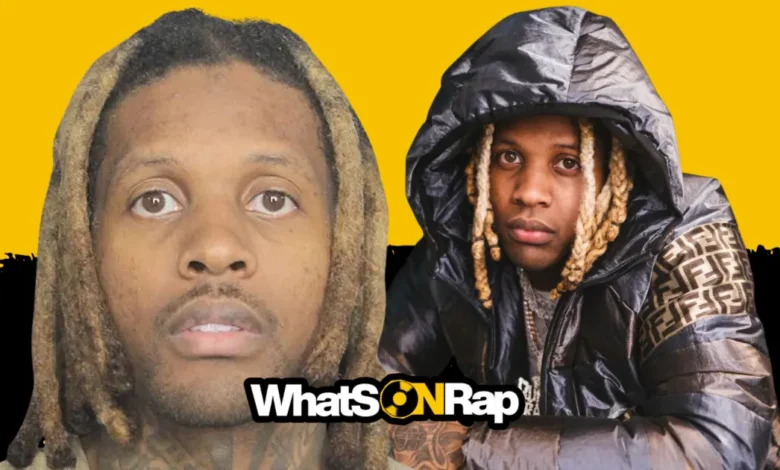
Lil Durk not guilty. Those three words sent shockwaves through hip-hop on September 11, 2026, when a Los Angeles federal jury cleared the Chicago drill pioneer of all charges in one of the most closely watched cases in recent years. After weeks of intense testimony, emotional cross-examinations, and three full days of deliberation, Durk Banks walked away from the murder-for-hire accusations that could have locked him up for life.
This article delivers a complete breakdown of the entire saga, from the deadly 2022 shooting and the long-running beef that sparked it, to the explosive trial moments, the not-guilty verdict, and what still awaits the Grammy-winning rapper in the months ahead.
In the following sections, we cover the background of the alleged plot targeting Quando Rondo, the key evidence and cooperating witnesses the government relied on, how the defense dismantled the case, the exact charges Durk beat, and the separate racketeering trial that still hangs over him. You’ll also find the deeper context of the King Von tragedy, the history of tension between the camps, public reactions, and the larger impact this outcome has on Durk’s career and the drill scene. Everything is laid out clearly so you walk away with the full picture.
Whether you followed the trial day by day or are just catching up, this deep dive explains why the jury decided Lil Durk not guilty, what the prosecution got wrong according to the defense, and why this verdict feels like a major turning point even though Durk’s legal battles are not completely over.
Table of Contents
Lil Durk Not Guilty: What the Jury Decided and Why It Matters
On the evening of September 11, 2026, the courtroom in downtown Los Angeles fell silent as the jury foreperson read the verdicts. Lil Durk, whose real name is Durk Devontay Banks, was found not guilty on every count he faced. The charges included conspiracy to commit murder-for-hire resulting in death, use of interstate commerce facilities to commit murder-for-hire resulting in death, conspiracy to commit stalking, stalking using a dangerous weapon, and stalking resulting in death.
Two co-defendants, Deandre “OTF Dede” Wilson and David “Browneyez” Lindsey, were also cleared of the murder-for-hire counts but convicted on stalking-related charges. For Durk, it was a clean sweep. The decision came after three days of deliberations during which jurors asked questions about the legal definition of “intent” and requested digital evidence. When the final “not guilty” was announced, Durk appeared emotional. Supporters outside the courthouse erupted in celebration.
This outcome carried massive weight. Prosecutors had painted Durk as the mastermind who ordered a hit in broad daylight near the Beverly Center shopping mall in August 2022. The target was Atlanta rapper Quando Rondo (Tyquian Bowman).
Instead of hitting Quando, the shooters killed his cousin Saviay’a “Lul Pab” Robinson. The government claimed the attack was pure retaliation for the 2020 murder of Durk’s close friend and OTF affiliate King Von. Beating these charges removed the most serious threat of a life sentence, even as another case remains pending.
The Roots of the Conflict: King Von, Quando Rondo, and Years of Tension
To understand the case, you have to go back to November 6, 2020. King Von (Dayvon Bennett) was shot and killed outside an Atlanta nightclub after a confrontation involving people connected to Quando Rondo. Timothy “Lul Timm” Leeks, linked to Quando’s circle, was later charged in connection with Von’s death. Von and Durk were more than labelmates, they were brothers in the eyes of the streets and the OTF collective. Von’s murder devastated Durk and the Chicago drill scene.
In the months and years that followed, the tension between the camps stayed public. Diss tracks, social media shots, and street rumors kept the beef alive. Prosecutors argued that by 2022 Durk had decided it was time for “get back.” They claimed he directed associates to travel from Chicago and elsewhere to Los Angeles, provided resources, and put money on Quando’s head. The defense rejected that narrative completely, arguing that Durk’s music and public comments were artistic expression, not criminal orders.
Inside the Alleged Plot and the 2022 Shooting
According to the indictment, the plan involved multiple OTF-linked individuals flying into Los Angeles, renting cars, buying supplies, and tracking Quando Rondo’s movements. On August 19, 2022, near a gas station by the busy Beverly Center, gunfire erupted. Lul Pab was killed. Quando survived. Prosecutors said the shooters missed their primary target but still carried out a violent act ordered from the top.
The government leaned heavily on three cooperating witnesses who took plea deals: Kavon “OTF Vonnie” Grant (a former personal assistant and cousin of King Von), Keith “Flacka” Jones, and Kacey “OTF Jam” Hester. These men testified that Durk offered large sums of money, one claimed up to a million dollars, and gave directions. They described logistics, phones, vehicles, and conversations. The defense turned those same witnesses into the centerpiece of reasonable doubt.
The Lawyer Who Helped Change the Game
A major reason the jury found Lil Durk not guilty was the strength of his defense team, especially attorney Brian Steel. Steel, already famous for his work with Young Thug during the lengthy YSL RICO trial, joined Durk’s case in 2026 and quickly became one of the most visible and aggressive lawyers in the courtroom.
Steel’s cross-examinations of the cooperating witnesses were sharp and relentless. He repeatedly exposed inconsistencies in their stories and reminded the jury that these men had strong incentives to point the finger at Durk in exchange for lighter sentences. In closing arguments, Steel did not hold back, labeling the witnesses “snitches, cooperators, rats” and arguing that the government had targeted a celebrity without solid proof.
His courtroom presence and reputation added serious weight to the defense. Many fans and observers later called him the MVP of the trial. Young Thug even publicly claimed he was the one who connected Steel with Durk. While the entire legal team, including Drew Findling, played important roles, Steel’s aggressive style and track record helped turn reasonable doubt into a full acquittal on the most serious charges.
How the Defense Won the Case
Durk’s legal team, which included high-powered attorneys Drew Findling and Brian Steel, attacked the government’s case from every angle. They highlighted the lack of direct evidence — no clear payment records showing Durk funded a hit, no video of him giving orders, and no forensic smoking gun tying him personally to the planning.
Brian Steel’s cross-examinations of the cooperating witnesses were especially damaging. He repeatedly called them “snitches, cooperators, rats” who would say anything to avoid life sentences. The defense pointed the finger at Kavon Grant as a possible alternative mastermind who had access to Durk’s resources and motivation of his own. They also stressed that Durk was not even in Los Angeles at the time of the shooting.
In closing arguments, the defense described the case as “a tsunami of reasonable doubt” and “the bounty case with no money.” The strategy worked. Jurors were not convinced beyond a reasonable doubt that Durk directed the crime.
What Comes Next for Lil Durk
Even though the jury found Lil Durk not guilty on the murder-for-hire charges, he is not walking free yet. A separate racketeering case involving additional allegations remains. That trial was scheduled to begin around October 5, 2026. Prosecutors have made clear they still intend to pursue those counts. Durk has been in federal custody since his arrest in October 2024, and he will stay detained while the next phase plays out.
The October case involves broader claims about OTF as a criminal enterprise. How that trial unfolds will determine Durk’s long-term future. For now, the September 11 verdict stands as a major victory and a rare example of a high-profile drill artist beating the most serious federal charges in a case built heavily on cooperating witnesses.
Career Context and Public Reaction
Lil Durk rose from the streets of Chicago to become one of the most successful and influential voices in drill and modern hip-hop. Hits like “All My Life” with J. Cole earned him a Grammy. Albums such as Almost Healed and earlier projects cemented his status as both a commercial force and a street storyteller. The legal cloud that followed his 2024 arrest threatened to cut that career short.
When the not-guilty verdict dropped, fans flooded social media. Celebrations broke out outside the courthouse. Many praised the defense team and called the outcome proof that the government overreached. Industry peers and longtime supporters expressed relief mixed with caution, knowing another trial still looms. The case also revived conversations about how lyrics, social media, and street affiliations are used as evidence in federal prosecutions against rappers.
Final Thoughts on a Landmark Verdict
The decision that Lil Durk not guilty on all murder-for-hire counts closes one major chapter while leaving another open. It shows that even in high-stakes federal cases built on cooperating witnesses and alleged gang activity, reasonable doubt can still win. For Durk, the victory buys time and removes the immediate threat of a life sentence tied to the 2022 shooting.
For the culture, it adds another high-profile example to the ongoing debate about justice, drill music, and the legal system’s approach to artists from the streets. As the next trial approaches, all eyes will stay on Durk Banks. The September 2026 verdict will be remembered as the day the jury said not guilty, and the streets answered with a collective sigh of relief mixed with lingering tension about what comes next.