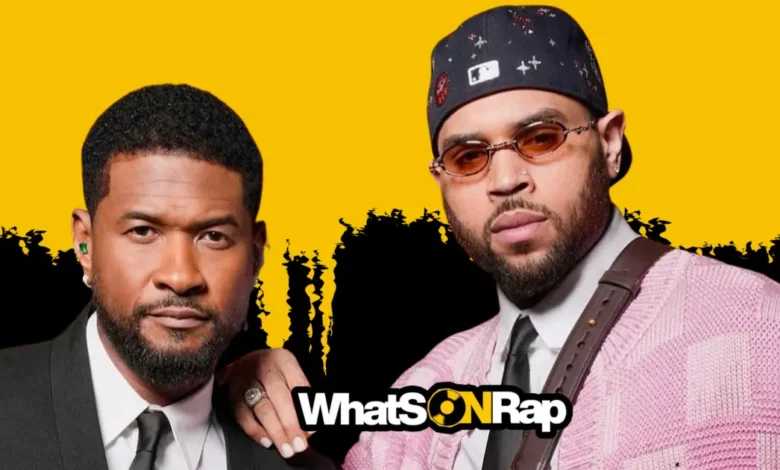
The Chris Brown Usher Atlanta concert turned into an explosive digital firestorm after a massive venue delay left thousands of eager R&B fans waiting nearly three hours inside Mercedes-Benz Stadium. What was supposed to be a legendary opening night for the two icons’ historic five-show run quickly transformed into an intense online discussion regarding backstage tension, schedule conflicts, and ego clashes. As angry fans flooded TikTok, X, and Instagram with videos of empty stages and extended DJ filler sets, rumors began to circulate wildly that the delay was triggered by a heated argument between the two megastars right before showtime.
This high-stakes R&B spectacle represents one of the most talked-about pop culture events in recent memory. Bringing two generation-defining performers together on a single stage inherently invites massive fan expectations, but combining their intense competitive drives within a massive stadium setting added an unpredictable layer of real-time drama. Rather than delivering a seamless joint production from the opening note, opening night left concertgoers bewildered as hours ticked by without either artist appearing on stage. From viral venue reviews complaining about sound engineering to hot takes scrutinizing body language, the internet turned an operational delay into a full-scale pop culture investigation.
What truly amplified the narrative across international headlines was the swift reaction from the stars themselves as news of the backstage conflict broke out. Instead of remaining completely silent while rumors of physical altercations and personal feuds took over search algorithms, direct responses and cryptic stage comments added fresh layers to the story. Unpacking how a record-shattering concert run in Atlanta descended into viral drama offers an extraordinary look into modern celebrity dynamics, live event logistics, and the immediate impact of social media speculation.
Table of Contents
Chris Brown Usher Atlanta Concert Drama Sparks Rumors of Backstage Fight
Following the chaotic conclusion of night one at Mercedes-Benz Stadium, social media feeds were completely overwhelmed by attendees dissecting every minute of the Chris Brown Usher Atlanta concert experience. Attendees who purchased tickets expecting a punctual, high-energy co-headlining show found themselves sitting through nearly three hours of background music and venue announcements. The frustration quickly boiled over online, as concertgoers posted real-time updates complaining about shortened setlists, lack of communication, and the noticeable absence of expected duet performances.
As videos of the massive delay accumulated millions of views, entertainment outlets and online sleuths began digging into what went wrong behind closed doors. Reports surfaced claiming that a tense verbal altercation erupted backstage between Usher and Chris Brown right before they were scheduled to perform. According to sources cited by music news platforms like TMZ, the clash stemmed from severe traffic gridlock around the stadium, which left thousands of ticket holders stuck outside long after the official start time. Usher reportedly advocated for holding the show so late-arriving fans wouldn’t miss the opening acts, whereas Chris Brown reportedly argued that the show should start on time to preserve the full schedule.
While logistical delays are common in major stadium tours, the narrative of two competitive titans clashing backstage caught fire instantly. Fans began linking the opening night delay to long-standing industry rumors of competitive tension between the two hitmakers, who have dominated the R&B genre across different eras. As digital commentary spiraled into theories about full brawls, the concert delay morphed from a minor operational headache into one of the biggest pop culture stories of the year.
How the High-Stakes Co-Headlining Tour Was Built for Drama
The foundation for this massive Atlanta concert run was built on unprecedented historic ambition. When the multi-night engagement at Mercedes-Benz Stadium was first announced, it shattered industry records by scheduling five full nights at the venue, surpassing the previous record of four nights held by Beyoncé’s Cowboy Carter tour in 2025. The historic milestone set the stage for an extraordinary homecoming for Usher in his hometown while positioning Chris Brown alongside one of his primary musical influences.
However, pairing two powerhouses with massive discographies and fierce fanbases naturally introduced logistical and artistic challenges. Unlike standard concert setups where an opening act simply warms up the audience for a single headliner, a co-headlining stadium package requires precise coordination of stage time, lighting setups, set lengths, and shared production space. Insiders noted that both artists maintain meticulous control over their live shows, making any deviation from the original schedule a potential source of creative friction.
Furthermore, the natural rivalry between the two performers has been a favorite talking point for music fans for well over a decade. Both singers are universally celebrated for their elite dance choreography, smooth vocal ranges, and endless catalog of chart-topping hits. Placing them under the bright lights of a record-setting stadium run guaranteed that every interaction, both on and off the stage, would be analyzed under an intense pop culture microscope.
The Internet Reaction: Fan Backlash, Ticket Complaints, and Stage Snubs
As hours passed inside Mercedes-Benz Stadium without either star taking the mic, fan patience completely evaporated. Attendees took to X and TikTok to publish videos showing thousands of audience members sitting under full stadium lights, demanding refunds and tagging the venue’s official customer service accounts. When DJ Fresh finally took the stage to keep the crowd occupied, the extended DJ set did little to soothe the growing irritation in the room.
When the artists finally began their performances around 10:00 PM, fans noticed several unusual dynamics that further fueled online speculation. On opening night, the two singers performed their respective sets entirely separate from one another, skipping expected joint hit collaborations that fans had anticipated. Adding more fuel to the fire, Usher raised eyebrows during his opening crowd address by proclaiming, “Atlanta, welcome to my show,” a choice of words that internet sleuths immediately interpreted as a subtle snub directed at his co-headliner.
Chris Brown Fires Back: “Internet Cap” and Addressing the Allegations
Never one to let social media narratives spin out of control without a response, Chris Brown took directly to his Instagram Story the following day to address the exploding rumors. As headline after headline claimed that he and Usher had engaged in a backstage physical fight over the delay, the singer posted a brief but loud statement aimed at debunking the gossip.
Chris Brown’s Official Instagram Story Post:
“Internet 🧢. Don’t fall for it.”
By utilizing the blue hat emoji, widely recognized in internet culture as slang for “cap” or a complete lie, Chris Brown signaled to his millions of followers that the sensational reports of a brawl were entirely fabricated. While he did not explicitly outline the detailed timeline of the logistical disagreement or mention Usher by name, his message served as a direct command to fans to stop believing wild online rumors.
Usher, on the other hand, refrained from releasing an official written statement addressing the reported backstage row. Instead, he let his stage presence do the talking. On subsequent nights of the five-show run, the two artists attempted to quell the tension by finally sharing the stage to perform their “Back to Sleep” collaboration. However, eagle-eyed fans instantly pointed out that the two stars remained on separate platforms on opposite ends of the stage throughout the performance, prompting viral jokes on Threads that the setup looked like “social distancing”.
Past Tension and the History of R&B Rivals
The explosive online reaction to the Atlanta concert incident did not happen in a vacuum. Pop culture enthusiasts were quick to connect the current backstage friction to a long history of reported competitive moments between the two megastars. Over the course of their careers, both artists have frequently been compared by critics and fans, creating an ongoing narrative about who truly holds the crown of modern R&B.
Social media users quickly dragged up past rumors from May 2023, when reports surfaced alleging a chaotic argument between Chris Brown and Usher at a birthday party celebration in Las Vegas. While both artists maintained professional public profiles following that historic rumor, the memory of that past incident caused fans to instantly believe that new backstage arguments were entirely plausible.
The historical rivalry added deep context to why the Atlanta delay exploded so dramatically across music blogs and pop culture shows. In the world of high-profile music tours, long-standing competitive tension can easily turn simple production disputes into international headlines. Whether subtle or overstated, the complex history between the two icons made opening night in Atlanta essential viewing for music fans everywhere.
Why Live Concert Delays Instantly Become Viral Drama Online
The aftermath of the Atlanta show highlights a fascinating reality of modern entertainment culture: live concert setbacks no longer stay inside the venue. In an era where every attendee holds a high-definition camera connected to global social networks, an extended delay instantly transforms a stadium full of fans into a real-time press corps. The frustration of waiting under bright lights quickly evolves into creative content, as fans post live commentary, edit video clips, and crowd-source theories about what is happening behind the curtain.
When high-profile artists are involved, social media algorithms heavily favor dramatic narratives over dry logistical explanations. A headline about traffic congestion around Mercedes-Benz Stadium rarely generates millions of clicks. However, a story about two R&B legends arguing backstage over timing and ego instantly captures global attention, prompting thousands of reposts, fan debates, and media breakdown videos.
Ultimately, the opening night of the historic Atlanta stand proved that while star power can sell out massive stadiums and break venue records, modern digital culture demands absolute transparency. While the tour continued to draw massive crowds across its remaining dates, the legend of the three-hour delay and the backstage argument will forever remain a defining chapter of this iconic R&B collaboration.