Brian Steel the GOAT: Why He’s the Rappers’ Best Defense Lawyer Right Now
The quiet Atlanta lawyer who became hip-hop’s real-life Saul Goodman

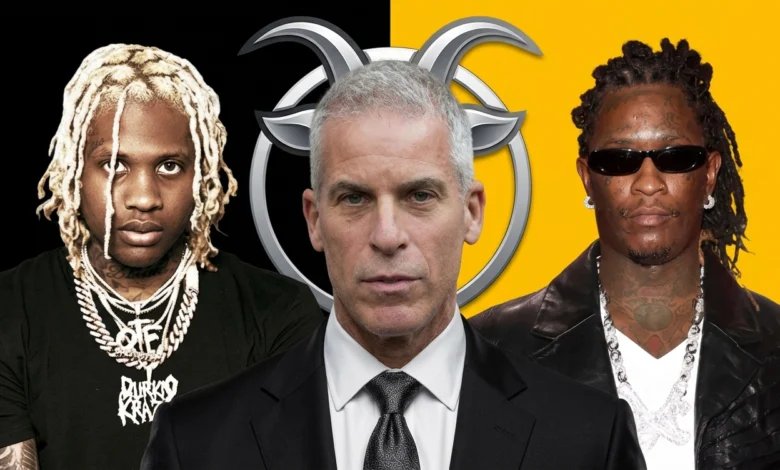
Brian Steel the GOAT has become more than a nickname in hip-hop. In less than two years he has rewritten the odds for some of the biggest names in the culture, turning cases that looked like guaranteed decades behind bars into walks, reduced exposure, or outright not-guilty verdicts. The Atlanta attorney is no longer just a respected criminal defense lawyer, he is the name fans chant, the lawyer rappers want, and the closest thing the culture has to a legal superhero right now.
Born in Queens and trained at the University of Michigan and Fordham Law, Steel spent decades building a reputation in Georgia courtrooms long before the cameras found him. He co-founded The Steel Law Firm with his wife Colette in 1997 and racked up hundreds of published appellate opinions and dozens of reversals.
What changed everything was the way he handled the highest-stakes cases the industry has seen this decade. Calm under pressure, relentless on cross-examination, and willing to confront judges when necessary, Steel has shown a rare combination of preparation, courtroom courage, and strategic aggression that prosecutors have struggled to contain.
The results speak for themselves. Young Thug walked out of the longest criminal trial in Georgia history. Sean “Diddy” Combs avoided the life-sentence charges that dominated headlines. Lil Durk just beat a federal m*rder-for-hire case cold. Fans did not invent the GOAT label, Steel earned it case by case.
Table of Contents
Brian Steel The GOAT – The Cases He Actually Won
Steel’s breakout moment came in the YSL racketeering trial. As lead counsel for Jeffery “Young Thug” Williams, he navigated a sprawling Georgia RICO case that dragged on for more than 22 months and became the longest trial in state history. The prosecution leaned heavily on lyrics, associations, and a narrative that painted YSL as a criminal street gang. Steel attacked the foundation of that theory at every turn. His most dramatic moment came when he confronted the original judge over a secret meeting with prosecutors and a key witness, refused to reveal his source, and was held in contempt.
The Georgia Supreme Court later reversed the contempt finding, and the judge was forced off the case. That sequence shifted the entire dynamic of the trial. Thug eventually entered a non-negotiated plea and received a sentence that amounted to time served plus probation with a backloaded term hanging over him, far from the decades prosecutors had sought. Steel’s willingness to fight both the evidence and the process itself became legendary inside and outside the courtroom.
He brought the same intensity to Sean Combs’ federal trial. Joining a high-powered defense team, Steel helped secure acquittals on the racketeering conspiracy and se*-trafficking counts that carried the real life-sentence exposure. Combs was convicted only on two lesser Mann Act transportation charges and later received a 50-month sentence. Steel’s role in dismantling the government’s most serious theories reinforced the growing view that he is unusually effective against overcharged federal cases involving celebrities.
The most recent and perhaps purest win came in Los Angeles. Steel joined Lil Durk’s team for the federal m*rder-for-hire trial tied to the 2022 sh**ting that k*lled Quando Rondo’s cousin. Prosecutors built their case around cooperating witnesses, former associates who had taken deals and pointed the finger at Durk. In closing arguments Steel labeled them “snitches, cooperators, rats” and argued the government had targeted a celebrity while the real decision-makers sat on the witness stand.
After three days of deliberation the jury returned not-guilty verdicts on every count against Durk. The scene outside the courthouse was pure celebration, with fans swarming Steel and chanting MVP. In under two years he had delivered a plea that freed Thug, helped neutralize the worst charges against Diddy, and secured a clean federal acquittal for Durk.
Across these cases Steel’s style is consistent: exhaustive preparation, aggressive cross-examination of cooperators, creative and forceful motions, and a refusal to let judges or prosecutors control the narrative without pushback. He treats lyrics as protected speech rather than confessions and refuses to accept that association equals conspiracy. That combination of intelligence, stamina, and courtroom toughness is why the culture has elevated him.
Why Fans Are Calling Him the GOAT Right Now
The timing of the Lil Durk verdict turned Steel into a cultural moment. “Brian Steel is the GOAT” and “Brian Steel MVP” flooded timelines. Fans outside the Los Angeles courthouse surrounded him with chants. Online, people stacked his recent résumé: Young Thug walks, Diddy’s heaviest charges disappear, Durk walks free.
Comparisons to fictional lawyers like Saul Goodman and Harvey Specter appeared everywhere. Drake and PartyNextDoor had already named a song after him in 2025, proof that his reputation had crossed from courtrooms into the music itself.
What resonates is not just the wins but the manner of them. Steel does not look like a celebrity lawyer playing for cameras. He looks like a serious appellate and trial lawyer who happens to keep delivering when the stakes are highest and the government is most determined. In a culture that has watched too many artists disappear into the system, he represents the rare figure who can fight back effectively. That is why the GOAT talk feels organic rather than manufactured.
What If Brian Steel Took These Cases?
The recent run has fueled a different kind of conversation: pure speculation. What would happen if Steel had been in the room for some of the culture’s most consequential legal disasters? These are imaginative exercises, not predictions, but they reveal how fans now measure other outcomes against the standard he has set.
What If Brian Steel Had Suge Knight’s Case?
Suge Knight is serving a 28-year sentence after pleading no contest to voluntary manslaughter in the 2015 Compton hit-and-run that k*lled Terry Carter. Appeals and challenges have so far failed, and parole eligibility sits years away. A Steel-led defense would almost certainly have fought the case harder at the plea stage and on appeal.
His track record of attacking the strength of the government’s narrative and forcing procedural fights suggests he would have pressed every available angle, vehicle evidence, self-defense claims, sentencing exposure, and the broader context of Knight’s history, rather than accepting a deal that locked in nearly three decades. Whether it would have produced a dramatically different result is unknowable, but the “what if” speaks to the sense that Knight’s legal team never matched the aggression Steel brings.
What If Brian Steel Had Keefe D’s Case?
Duane “Keffe D” Davis was recently convicted of first-degree m*rder in connection with the 1996 k*lling of Tupac Shakur. Prosecutors relied heavily on Davis’s own past statements, interviews, and a book in which he discussed the events. He faces the possibility of life and has already signaled plans to appeal.
Steel’s signature approach, relentless attacks on the credibility and motives of key evidence, especially self-incriminating statements and cooperators, would have been tested against decades-old admissions. A Steel defense would likely have fought the admissibility of the book and prior interviews more aggressively and framed the case as government overreach against a man who had been talking for years without charges. The conviction came quickly; fans now wonder whether a more confrontational, process-heavy defense could have changed the trajectory.
What If Brian Steel Had Taken YNW Melly’s Case?
YNW Melly’s double-m*rder trial has been a long, messy ordeal marked by mistrials, evidentiary battles, and intense public scrutiny. The case rests heavily on jail calls, lyrics, and the testimony of associates. Steel’s proven ability to neutralize cooperating witnesses and challenge the use of artistic expression as evidence would have been central.
His success in forcing procedural resets (as seen in the YSL contempt and recusal fight) raises the question of whether the Melly case would have looked different if a lawyer with that exact skill set had been leading the charge from the beginning. Fans treat this as one of the strongest “what ifs” precisely because the factual and legal terrain overlaps so much with the cases Steel has already won.
What If Brian Steel Had Taken Tory Lanez’s Case?
Tory Lanez is serving time after his conviction for the sh**ting of Megan Thee Stallion. The case featured competing narratives, forensic evidence, and high-profile testimony. A Steel defense would almost certainly have gone harder at the credibility of the key witnesses and the government’s interpretation of the physical evidence, while fighting every inch of the public narrative that formed around the trial.
Whether it would have produced an acquittal is pure speculation, but the pattern of Steel’s recent work, exposing weaknesses in the state’s story and refusing to concede the emotional high ground, makes this another frequent topic of fan discussion.
What If Brian Steel Had Handled Another High-Profile Locked-Up Case?
The same logic extends to other long-running or high-visibility matters that have left artists incarcerated. Steel’s combination of appellate firepower, willingness to confront judges, and skill at dismantling snitch-driven cases has created a new measuring stick. Fans now look at nearly every major rap legal defeat and ask the same question: would the outcome have been different if Brian Steel had been the one standing at the defense table?
Closing
Brian Steel did not ask to become a cultural figure, but the results forced the issue. In a short window he has delivered the kind of outcomes that used to feel almost impossible against determined federal and state prosecutions of major artists. The culture has responded by giving him the highest possible compliment: they call him the GOAT and mean it.
His current status is clear. He is the lawyer other lawyers study, the name fans chant, and the first call many artists want when the government comes hard. Whether that reputation continues to grow depends on the next cases he takes. For now, the record speaks louder than any hype. Brian Steel the GOAT, is not a meme. It is the conclusion the culture reached after watching him win.