Lil Durk OTF: The Untold Truth About the Brotherhood, Brand, and What People Get Wrong
The Untold Story of Brotherhood, Business, and Rebrand

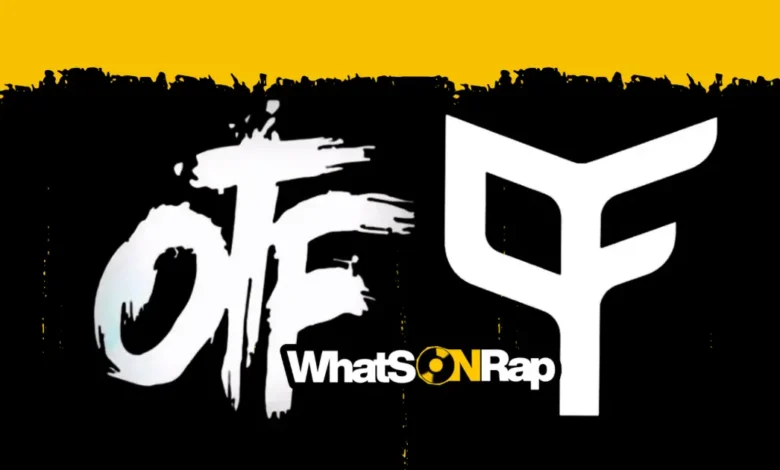
When looking at the complex ecosystem of modern hip-hop, few entities carry as much raw cultural gravity, media fascination, and systemic misunderstanding as Lil Durk OTF. Mention the acronym to casual observers or nightly news outlets, and the conversation instantly narrows down to federal indictments, courtroom drama, Chicago drill music origins, and sensationalized street reports.
Yet, reducing this powerhouse collective to headlines completely misses the profound human foundation, structural business evolution, and deep-rooted survival mechanisms that built the brand from the ground up. Beneath the exterior gloss of platinum plaques, chart-topping records, and intense legal scrutiny lies a tightly woven brotherhood born from systemic poverty, grief, and an unyielding code of protection.
To truly understand the culture, one has to look past the courtroom sketches and examine the authentic human stories of the young men who turned local survival into a global enterprise. From its early days in the Englewood neighborhood of Chicago to corporate partnerships with Empire, AWAL, and Alamo Records, the collective has continuously evolved under immense pressure. This article explores the untold history, the real meaning behind the name, the structural brilliance of the business behind the scenes, the psychology of its iconic visual branding, and how shifting legal landscapes forced a quiet yet significant rebrand.
Table of Contents
Lil Durk OTF: The True Origin Story from Englewood Survival to a Global Sound
The roots of the movement trace back to the turbulent landscape of Chicago’s South Side in the early 2010s. Long before streaming multi-million-dollar catalog milestones or walking red carpets, Durk Banks grew up navigating an environment defined by limited economic mobility, institutional neglect, and the heavy absence of parental figures, his own father incarcerated for much of his childhood. In this vacuum, neighborhood circles were not formed as corporate music ventures; they were literal survival networks.
As the Chicago drill music scene exploded behind pioneers like Chief Keef, a young Durk and his inner circle utilized YouTube and grassroots digital distribution to export their reality to the world. In its earliest iterations, the collective was briefly tied to French Montana’s Coke Boys movement, operating under the moniker OTF Coke Boys. However, recognizing the need for absolute autonomy, the group broke away to stand entirely on its own two feet, establishing an independent force.
The transition from a localized block collective to a recognized label imprint wasn’t smooth. It was forged through trial, error, and immense personal loss. Yet, through every setback, the core philosophy remained unchanged: music was the singular vehicle capable of pulling a generation out of systemic despair.
The Visionary Founder: How Lil Durk Built the Empire From the Ground Up
At the center of it all is Durk Banks, known globally as Lil Durk. Born and raised in the trenches of Chicago’s Englewood and Lamron neighborhoods, Durk didn’t just step into the music industry as an artist; he acted as an architect for his entire community. Having witnessed firsthand the devastating impacts of street violence, mass incarceration, and poverty, Durk utilized his rising platform to construct an economic ecosystem for those left behind.
His leadership style wasn’t born in a corporate boardroom, but on the concrete blocks of the South Side. By leveraging his own breakthrough success, from his early mixtape runs to major-label deals, he carved out a space where his closest confidants could build legitimate careers. Even as legal pressures, high-stakes trials, and immense personal heartbreak tested the limits of his resilience, Durk remained the central anchor of the entire movement, transforming personal survival into generational music history.
The Core Roster: A Complete Breakdown of the Members Who Built OTF
While outsiders often view the collective as a faceless crowd, the inner circle consists of a tight-knit roster of artists, childhood friends, and operational leaders who shaped its identity:
- King Von: One of the most brilliant storytellers in modern drill history and Durk’s closest friend, whose meteoric rise and tragic 2020 passing permanently scarred and shaped the legacy of the collective.
- Booka600: A day-one lyrical anchor and core stylist of the label who has been instrumental in delivering major compilation cuts and melodic street anthems.
- Doodie Lo: A frontline contributor and close associate signed early on, known for his relentless work ethic on tapes like Loyal Bros.
- OTF Ikey & Boonie Moe: Childhood friends who transitioned from block mainstays to foundational pillars of the label’s internal family network.
- Cedrick “SB” Earsery: Operating as the label’s CEO, Earsery handles the critical corporate machinery behind the scenes, ensuring the collective functions as a legally and commercially structured business.
The True Meaning of “Only the Family”
Media reports frequently lean heavily on sensationalism, but the literal translation of the acronym, Only the Family, points to a much deeper emotional reality. To those inside the circle, the name is an absolute creed. In environments where municipal safety nets fail and traditional support systems are non-existent, the collective functioned as a surrogate family.
This human element involved providing food security, studio access, financial lifelines, and a protective shield for young artists who otherwise would have had zero access to the music industry. As members rose to prominence, core interviews and community retrospectives consistently highlight that the collective was born out of sheer necessity, a realization that because no outside help was coming to their neighborhood, they had to sink or swim together and build their own way out.
The psychological weight of this loyalty is precisely why outsiders often misunderstand the movement. What looks to a prosecutor like a rigid enterprise is experienced by its members as an unbreakable family structure, a paradox that has defined the brand’s entire existence.
The Business Engine: Building an Empire Beyond Music
While the culture recognizes the collective for its gritty street anthems and Billboard-charting compilation albums like Loyal Bros and Family over Everything, the corporate infrastructure behind the scenes is remarkably sophisticated. Led by key executives and core management figures, the brand successfully transitioned from a loose rap crew into a multi-tiered lifestyle enterprise.
The business model expanded rapidly into high-end streetwear merchandise, exclusive apparel drops, and strategic distribution partnerships with heavyweights like Empire, AWAL, and Alamo Records. Instead of relying solely on traditional label advances, leadership structured independent joint ventures that allowed core members to retain ownership stakes in their master recordings. This structural shift transformed neighborhood loyalty into corporate equity, proving that the minds behind the scenes possessed acute business acumen alongside raw artistic talent.
Visual Identity and the Psychology of the Emblem
Few symbols in contemporary hip-hop carry the visual weight and immediate recognition of the brand’s emblem. Crafted with a distinct handwritten, raw aesthetic, the original emblem features jagged, uneven black brushstrokes with stark white streaks on the ends.
Every design choice carries intentional psychological symbolism:
- The Overlapping Glyphs: The letters are tightly pressed together, illustrating that regardless of individual differences or internal conflicts, the family bond remains unbroken.
- The Central Pillar: The middle letter “T” acts as an architectural anchor or an embrace, symbolizing Lil Durk’s role as the central protector, patriarch, and stabilizing force of the collective.
- The Color Palette: The heavy use of black references both the urban communities of origin and the aesthetic darkness associated with drill music’s visceral storytelling.
Modern Logo Evolution
As the brand expanded from a localized Chicago collective into a mainstream entertainment powerhouse, its visual identity had to evolve. The transition away from the ultra-gritty, jagged brushstrokes of the early drill era toward a streamlined, refined aesthetic marked a major turning point in how the brand presented itself to the world.
When announcing and rolling out these visual updates, the brand encapsulated the shift with its official creative mantra:
“Where you start is not where you end. That’s not just something we say. That’s why OTF exists. For the ones who went through adversity and refused to let it be the determining factor of their character. We’re evolving. And we’re bringing the family with us. New logo. Same roots. Deeper purpose.”
This redesign wasn’t just about looking modern; it was a deliberate choice to signal artistic growth and brand maturity. By cleaning up the typography and sharpening the lines, leadership ensured that the logo could comfortably sit beside high-fashion streetwear collaborations, corporate record distribution deals, and global lifestyle retail spaces without losing its original core identity.
Shifting Realities and Legal Pressures
The evolution of the brand’s image happened against the backdrop of intense external pressures. As the collective expanded into a global powerhouse, it inevitably crossed paths with intense federal scrutiny, high-stakes racketeering investigations, and courtroom trials. Prosecutors have routinely scrutinized street symbols, hand signs, and corporate branding, attempting to frame artistic collectives through a criminal lens.
This mounting pressure inevitably impacted the brand’s public presentation. When a collective’s imagery is entered into courtrooms as evidence, a natural corporate evolution must follow to ensure survival in the mainstream corporate world. To transition permanently from a localized street collective to a shielded, institutional global lifestyle brand capable of withstanding severe legal microscope and corporate scrutiny, the aggressive undertones of the past had to give way to a polished, modern, and mature aesthetic.
Conclusion: The Dual Reality and Enduring Legacy Today
Today, the movement stands at a massive historical crossroads. Balancing the trauma of past losses, most notably the tragic 2020 passing of King Von, alongside ongoing legal battles and high-profile trials, the collective continues to polarize and captivate the cultural zeitgeist.
Ultimately, the true story cannot be found in court dockets or breaking news alerts. It lives in the juxtaposition between raw survival and corporate triumph. By turning neighborhood brotherhood into an enduring global institution, the movement permanently altered the blueprint of independent hip-hop, proving that loyalty, for better or worse, remains the most powerful currency in modern music.