Fake rappers image – Are some rappers boldly faking their persona?
Exploring the truth behind rap personas, fake lifestyles, and how image and authenticity collide in today’s hip-hop world.

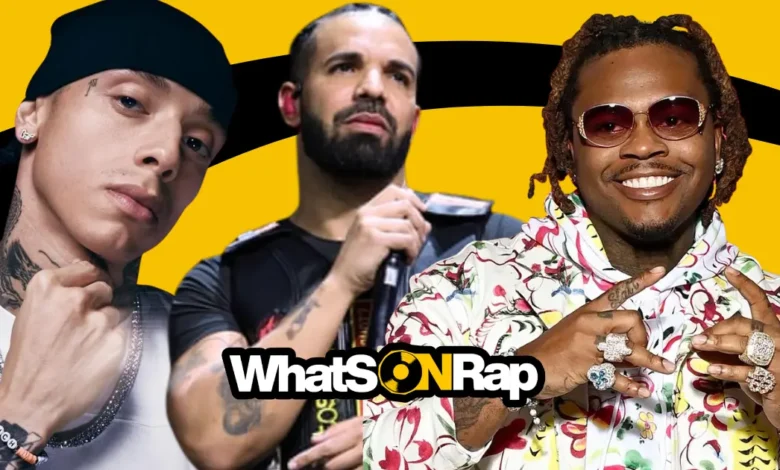
Fake rappers image has become one of the most debated topics in modern hip-hop, especially as the culture continues to evolve in the age of social media, branding, and global audiences. The short answer is yes, some artists exaggerate or reshape parts of their identity, but the reality is more complex than simply calling someone “fake.” In many cases, what fans see is a mix of storytelling, marketing, and lived experience.
Hip-hop has always been rooted in authenticity, yet it has also been a space where image and performance play a major role. As the industry grew into a global business, the pressure to maintain a certain rap image increased, pushing some artists to lean into personas that may not fully reflect their real lives. This doesn’t always mean deception; sometimes it’s about amplifying a narrative that resonates with listeners.
This article breaks down the idea of fake rappers image by looking at real, documented examples, industry dynamics, and how the line between truth and performance has shifted over time. Rather than making accusations, the goal is to understand how identity, branding, and storytelling intersect in hip-hop today.
Table of Contents
Fake rappers image and the evolution of Hip-Hop Authenticity
The concept of fake rappers image is not new. Since the early days of hip-hop, credibility has been tied to real-life experiences, especially those connected to struggle, street life, or cultural identity. However, as the genre expanded commercially, the expectations around the rap image began to change.
In the 1990s and early 2000s, authenticity was often measured by how closely an artist’s lyrics matched their real-life background. Today, that definition is less rigid. Artists are not only musicians but also brands, influencers, and entertainers. This shift has created space for what some call rappers fake lifestyle truth, a blend of reality and performance designed to engage audiences.
At the same time, fans have become more aware and more critical. Social media allows listeners to fact-check, analyze, and debate an artist’s background in real time. This has made the conversation around fake rappers image more visible and more nuanced than ever before.
Why Image Matters More Than Ever in Rap
The modern hip-hop industry places heavy emphasis on image. A strong rap image can influence everything from streaming numbers to brand deals. For some artists, this creates pressure to fit into certain expectations, whether that’s being perceived as street, wealthy, rebellious, or emotionally complex.
This is where the discussion around fake rappers becomes important. Not every artist who presents a stylized image is being dishonest. In many cases, they are participating in a long tradition of storytelling. However, when the gap between reality and presentation becomes too wide, it can raise questions about rapper authenticity.
Understanding this balance is key. Hip-hop is both art and business, and image plays a role in both.
Real examples that shaped the conversation
Rick Ross
One of the most well-documented examples in discussions about fake rappers image is Rick Ross. Before his rap career, it was revealed that he worked as a correctional officer. This contrasted sharply with his lyrical content, which often focused on drug kingpin narratives.
Rather than ending his career, the revelation sparked debate about rap image versus reality. Rick Ross addressed the situation indirectly through his music and continued building a successful brand. His case is often used to show that perception can evolve if the music and persona resonate with audiences.
Drake
Drake represents a different kind of conversation around fake rappers image. Critics have questioned his shifting accents, musical styles, and cultural influences, especially his adoption of UK drill and dancehall elements.
However, Drake’s approach is often framed as adaptability rather than deception. His ability to move between styles highlights how modern hip-hop allows for fluid identity. This raises an important point: not all debates about fake rappers are about lying, some are about cultural authenticity and artistic evolution.
6ix9ine
The case of 6ix9ine is frequently cited when discussing fake lifestyle in rap. Early in his career, he presented a strong gang-affiliated image. Later legal issues and cooperation with authorities led to widespread criticism and accusations that his persona was not genuine.
This situation intensified conversations about rapper authenticity, especially in relation to street credibility. It also showed how quickly public perception can change when actions contradict an artist’s established image.
Lil Tecca
Lil Tecca offers a more transparent example. He openly admitted that much of his music is fictional and not based on personal experience. Instead of damaging his career, this honesty helped redefine expectations for younger audiences.
His case challenges traditional views of fake rappers image by showing that fans can accept creative storytelling as long as it is clearly understood as such. It also reflects a shift in how authenticity is defined in modern hip-hop.
Central Cee
Central Cee is a prime example in discussions about fake rappers image, not because he’s dishonest, but because his persona blends street themes with a polished, global presentation. His music reflects UK drill realities, street life, ambition, survival, yet he delivers it in a way that appeals beyond local audiences.
This careful curation can sometimes create the impression of a fake rapper image, even when it’s more about storytelling than fabrication. Central Cee also shares personal aspects like his faith, showing that rappers fake lifestyle truth isn’t always literal, it’s nuanced.
He navigates image smartly, avoiding overselling aggression or stereotypes, proving that rapper authenticity today is more about controlling your narrative than proving a past. Central Cee represents a modern approach: authentic, strategic, and globally aware.
Gunna
Gunna became part of the fake rappers image conversation after his legal situation sparked debates about loyalty and street credibility. While no direct claims can be made about his lifestyle, the public reaction showed how quickly fans question rap image when real-life events don’t align with expectations. His case highlights how fragile perceived authenticity can be in today’s hip-hop environment.
Playboi Carti
Playboi Carti represents a different angle. His persona is highly stylized, almost theatrical, blending punk aesthetics with rap culture. This raises questions not about being a fake rappers image, but about how identity itself can be constructed as art. His approach shows that in modern hip-hop, persona can be intentionally abstract.
Travis Scott
Travis Scott’s image is built around chaos, energy, and a “rockstar” lifestyle. However, behind that is a highly controlled brand and business structure. This contrast feeds into the idea of rappers fake lifestyle truth, where what appears spontaneous is often carefully curated for impact.
Ice Spice
Ice Spice’s rise sparked discussions about industry backing and image creation. While her success is undeniable, some critics question how much of her rap image is organic versus strategically built. This reflects a broader trend where new artists are quickly shaped into marketable personas.
Jack Harlow
Jack Harlow often faces a different kind of scrutiny. His laid-back and approachable personality contrasts with traditional expectations of toughness in rap. This doesn’t make him part of the fake rappers category, but it shows how audiences still judge artists based on outdated ideas of what a rapper should be.
Future
Future has openly admitted that parts of his music are exaggerated. His honesty adds complexity to the fake rappers image debate, proving that transparency can actually strengthen credibility rather than weaken it.
Logic
Logic has faced criticism around identity and perception, particularly regarding how audiences interpret his background and storytelling. His case shows how rapper authenticity can sometimes be questioned not because of facts, but because of audience expectations.
Tyga
Tyga has been part of conversations about lifestyle portrayal, especially regarding wealth and background. His example fits into the broader discussion of rap image and how artists present success in hip-hop culture.
The Role of Social Media in Shaping Perception
Social media has changed how audiences interpret rap image. Platforms like Instagram and TikTok allow artists to curate their lives, often blurring the line between reality and performance.
This has amplified discussions around fake rappers, as fans now have more access to behind-the-scenes content. At the same time, it has made image-building a necessary part of success. Artists are expected to maintain a consistent persona across music, visuals, and online presence.
As a result, the idea of fake rappers image is no longer just about lyrics, it extends to lifestyle, branding, and digital identity.
Is It Really “Fake,” or Just Part of the Art?
A key question in this debate is whether a crafted persona should be considered fake. Hip-hop has always included elements of exaggeration, symbolism, and storytelling. From early rap narratives to modern concept albums, artists have used creativity to build compelling worlds.
The difference today is transparency. When listeners believe they are hearing real-life experiences, the expectation of rapper authenticity becomes stronger. When that expectation is not met, the backlash can be significant.
However, labeling artists as fake rappers without context oversimplifies the issue. In many cases, what is perceived as “fake” is actually a form of artistic expression shaped by industry pressures and audience demand.
Understanding the Reality Behind the Image
The conversation around fake rappers image is ultimately about understanding how hip-hop has evolved. What once required strict authenticity now allows for a broader range of expression, where storytelling, branding, and real-life experience all play a role.
Rather than viewing the issue in black-and-white terms, it’s more useful to see it as a spectrum. Some artists fully live the stories they tell, others exaggerate them, and some openly create fictional narratives. Each approach reflects a different relationship between identity and art.
As hip-hop continues to grow, the idea of rap image will likely keep evolving. What matters most is how artists connect with their audience and whether their work resonates on a deeper level. In that sense, authenticity is no longer just about facts, it’s about honesty, consistency, and the ability to tell a story that feels real, even when it isn’t entirely literal.