Hip hop industry parties: Inside hip-hop’s most exclusive industry parties
Where rap elites connect, deals are made quietly, and the culture moves forward far from the public eye.

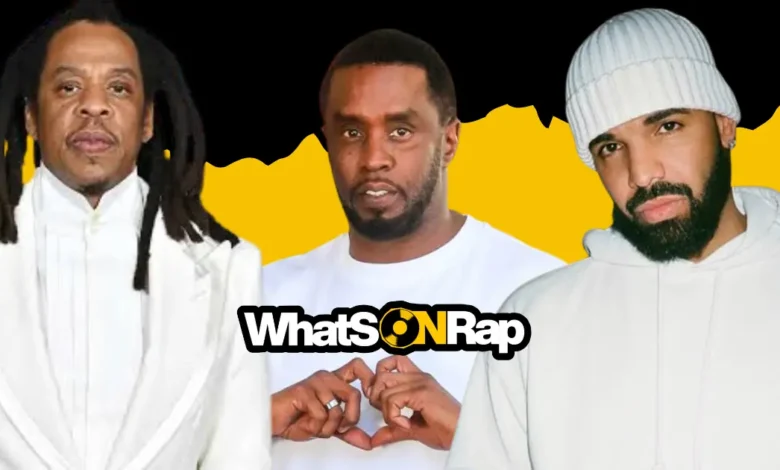
Hip hop industry parties have long been the glittering epicenter where rap legends, rising stars, label executives, and A-list celebrities converge to network, celebrate wins, and push the culture forward, often behind velvet ropes where deals worth millions are casually discussed over bottles of Ace of Spades and private DJ sets.
From the legendary all-white dress-code bashes of the late 1990s to today’s invite-only Coachella afterparties and Grammy-night soirees in 2026, these events are far more than just glamorous nights out; they are power moves that define careers, spark collaborations, and sometimes expose the darker underbelly of fame.
In this comprehensive guide, we explore the full spectrum of hip hop industry parties, their history, iconic hosts, star-studded moments, cultural impact, and what they reveal about the rap lifestyle in 2026. Whether you’re an aspiring artist dreaming of that golden invite or a fan fascinated by the unseen world behind the hits, this deep dive uncovers how these gatherings remain essential to the fabric of modern hip-hop success.
These exclusive gatherings have evolved dramatically over the decades, blending old-school excess with today’s high-stakes branding and social media moments. Yet one truth remains constant: hip hop industry parties are where the real business of rap happens. They offer unparalleled access, foster unexpected creative partnerships, and serve as the ultimate stage for artists to display their status in the rap lifestyle. From historic White Parties that bridged hip-hop with Hollywood elite to modern industry rap events like Roc Nation brunches and post-festival secret sessions, the scene continues to thrive as both a celebration and a strategic battlefield.
Ultimately, this article breaks down everything you need to know about hip hop industry parties, their legendary past, headline-making present, and what they signal for the future of rap celebrity parties. We’ll spotlight the biggest names who have hosted or dominated these nights, examine the networking power they wield, and reveal how these exclusive hip hop events continue to shape trends, careers, and even controversies in real time.
Table of Contents
Hip Hop Industry Parties: The Ultimate Guide to Networking, Excess, and Cultural Power in Rap
Hip hop industry parties represent the perfect fusion of street credibility and luxury excess, creating spaces where the rap lifestyle meets high-society glamour in unforgettable ways. These events are meticulously curated, often invite-only affairs held in penthouse suites, sprawling Hamptons estates, or hidden desert compounds during festivals like Coachella.
They go far beyond simple celebrations; they function as strategic hubs where A&Rs scout talent, managers negotiate deals, and artists solidify their status. In 2026, with streaming numbers, brand partnerships, and social media influence driving the industry, hip hop industry parties have become even more vital for staying relevant. Attendees trade stories of past nights while plotting the next big move, all while the latest tracks bump through custom sound systems. The atmosphere crackles with possibility, but it also demands a certain level of polish and discretion that separates true insiders from everyone else.
The allure lies in the exclusivity. Unlike public festivals or club nights, hip hop industry parties operate on a strict “who you know” basis. Security is tight, phones are sometimes collected at the door, and the guest list mixes rappers, producers, fashion moguls, and silent investors. This environment fosters raw conversations that rarely happen in boardrooms.
A casual toast can lead to a joint venture worth seven figures, or a late-night freestyle session can birth the next chart-topper. Yet the same intimacy that breeds opportunity can also fuel drama, whispered rumors travel faster than any press release, and one misstep can shift an entire career trajectory. That’s why understanding the history, key players, and current landscape of hip hop industry parties is essential for anyone serious about the rap game.
From the opulent White Parties of the early 2000s to today’s sleek, tech-infused gatherings, these nights have consistently mirrored the evolution of hip-hop itself. They celebrate wins, mourn losses, and always keep the focus on forward momentum. As we examine specific eras, hosts, and modern examples, it becomes clear that hip hop industry parties are not just parties; they are institutions that have helped turn street poets into billion-dollar brands while exposing the vulnerabilities that come with that level of visibility.
The Golden Era: How Hip Hop Industry Parties Rose from Underground Cyphers to Global Phenomena
The roots of today’s hip hop industry parties trace back to the block parties and basement sessions of the 1970s and 1980s in New York and Los Angeles, where DJs like Kool Herc spun records while MCs battled for respect. By the 1990s, as rap exploded commercially, these informal gatherings professionalized into high-end affairs. Promoters and label heads realized that lavish events could bridge the gap between gritty street credibility and mainstream acceptance. Early industry rap events in clubs like The Tunnel in New York became legendary for their mix of established stars and hungry newcomers, setting the template for the exclusive hip hop events we see today.
One pivotal shift came in the late 1990s when artists began hosting their own signature nights. These weren’t just promotional stunts; they were statements of power. Rappers who had fought their way out of poverty now commanded rooms filled with executives, models, and fellow millionaires. The parties became showcases for the rap lifestyle in full bloom: custom jewelry flashing under chandeliers, limited-edition cars parked out front, and playlists stacked with unreleased tracks that would dominate radio months later. Media coverage amplified the mystique, turning attendees into cultural icons overnight. This era established hip hop industry parties as essential networking tools, where a single appearance could launch a career or solidify a legacy.
By the early 2000s, the scale had grown exponentially. Events moved from intimate clubs to sprawling estates and international destinations, incorporating fashion shows, charity components, and celebrity chefs. The emphasis on opulence reflected hip-hop’s growing economic influence, from clothing lines to vodka brands. Yet beneath the glamour, these nights also highlighted the tensions within the culture: loyalty tests, subtle diss tracks delivered in toasts, and the constant pressure to maintain an image. Industry rap events of this period laid the groundwork for today’s hybrid model, where business meetings happen between shots and the best networking often occurs poolside at 3 a.m.
Sean “Diddy” Combs and the Legendary White Parties That Defined an Era
No conversation about hip hop industry parties is complete without Sean “Diddy” Combs and his groundbreaking White Parties, which ran annually from 1998 to 2009. Launched as a housewarming celebration at his newly purchased East Hampton mansion, the first event in 1998 set an impossibly high bar: a strict all-white dress code that symbolized equality while screaming luxury.
Guests, including Jay-Z, Mariah Carey, Leonardo DiCaprio, and Paris Hilton mingled under tents on the waterfront, dancing to exclusive Bad Boy Records playlists while fireworks lit up the sky. Diddy famously told Oprah in a 2006 interview that the goal was to “strip away everyone’s image and put us all in the same color, and on the same level,” blending hip-hop royalty with old-money elite in ways that had never been seen before.
Subsequent White Parties expanded dramatically. The 2004 Fourth of July edition at his Hamptons estate featured a replica of the Declaration of Independence on display and drew over 1,000 guests. Later iterations traveled to Saint-Tropez and Beverly Hills, complete with private jets, celebrity chefs, and surprise performances. These were not casual get-togethers; they were meticulously produced spectacles that reinforced Diddy’s status as the ultimate host. Attendees recall the sensory overload: white linens everywhere, custom cocktails, and an energy that felt electric because everyone present was someone who mattered in the rap lifestyle or adjacent industries.
The White Parties’ cultural impact extended far beyond the guest list. They helped mainstream hip-hop by proving that rappers could command spaces traditionally reserved for Hollywood. Photos from these nights, stars in head-to-toe white against ocean backdrops, became magazine covers and defined early-2000s aspirational culture.
Even after the series ended in 2009, the legacy lived on through imitators and resurfaced discussions in 2024-2025 amid legal scrutiny of Diddy’s past events. The parties remain a benchmark for what hip hop industry parties can achieve: turning personal branding into communal mythology while quietly facilitating deals that shaped the industry for decades.
Jay-Z and the Roc Nation Brunch: Power Networking at Its Finest
Jay-Z transformed the pre-Grammy brunch into one of the most coveted industry rap events on the calendar when he launched the Roc Nation Brunch under his multifaceted entertainment company. What began as an intimate gathering for close collaborators quickly became an annual power summit that draws everyone from Beyoncé and Pusha T to rising talents and tech billionaires.
Held in Los Angeles or New York, depending on Grammy location, the brunch features long tables of gourmet soul food, custom cocktails, and live performances that feel more like a private concert than a meal. In 2019, for example, the event welcomed Meek Mill, Lil Kim, 2 Chainz, and Kevin Hart, with Jay-Z and Beyoncé serving as the ultimate power couple hosts.
The Roc Nation Brunch excels at subtle networking. Artists use the platform to announce projects, tease collaborations, or simply remind the industry of their relevance. Past editions have included emotional toasts, surprise freestyles, and business discussions that later materialized as joint ventures or label signings. Unlike flashier parties, the brunch maintains an air of sophistication, tailored suits, elegant table settings, and conversations that range from album rollouts to venture capital deals. It perfectly embodies the modern rap lifestyle: street-rooted authenticity paired with billionaire-level polish.
Recent iterations continue the tradition with the same level of exclusivity. Attendees in 2023 and beyond have praised the event for its balance of celebration and strategy, making it a must-attend for anyone serious about staying inside rap industry parties. Jay-Z’s approach proves that hip hop industry parties don’t need chaos to be effective; sometimes, the quiet power of a well-curated room speaks louder than any bass drop.
Drake’s Private Empire: OVO Parties and Exclusive Rap Celebrity Parties
Drake has mastered the art of intimate yet extravagant rap celebrity parties through his OVO (October’s Very Own) brand. From private mansion takeovers in Toronto to surprise pop-ups during tours, Drake’s events emphasize loyalty and curation. One memorable example was his 2019 OVO Fest, which doubled as a massive industry gathering featuring unannounced performances by Cardi B, Meek Mill, and Chris Brown. Guests received limited-edition OVO merchandise and experienced sets that felt like secret album listening parties. These nights reinforce Drake’s image as both a global superstar and a generous host who values his inner circle.
In recent years, Drake’s parties have leaned into exclusivity. Reports from 2025-2026 describe late-night sessions at hidden venues where only trusted collaborators and select celebrities gain entry. The vibe mixes high-end catering, custom lighting, and playlists blending his catalog with unreleased tracks from protégés.
These gatherings often double as strategy sessions for upcoming projects, blending the rap lifestyle with business acumen. Drake’s approach shows how hip hop industry parties can remain personal even at the highest level, fostering genuine relationships that translate into chart dominance and brand expansions.
Cardi B’s High-Energy Takeovers: From Pop-Ups to Tour After-Parties
Cardi B brings unfiltered Bronx energy to every hip hop industry party she touches. Her 2026 “Little Miss Drama” tour finale in Atlanta featured a chaotic yet triumphant backstage blow-up that quickly became legend, but she also hosts more intimate pop-ups like her Bronx beauty-line events that mix fans with industry insiders. Cardi’s presence at Coachella afterparties and Grammy nights consistently turns heads, whether she’s performing impromptu sets or holding court in VIP sections. Her style, bold fashion, loud laughs, and zero filter, makes every rap celebrity party she attends feel alive and unpredictable.
Recent examples include her meet-and-greet drama that spilled into viral moments, reminding everyone that Cardi’s events are as authentic as they are strategic. She uses these platforms to launch products, preview music, and connect directly with her Bardi Gang while still rubbing shoulders with executives. Cardi proves that hip hop industry parties can be both glamorous and grounded, reflecting the real struggles and triumphs of the rap lifestyle.
Modern 2026 Scene: Coachella Afterparties, Grammy Nights, and Emerging Trends
The 2026 Coachella season delivered a fresh wave of secret hip hop industry parties that blended festival chaos with elite access. Red Bull Mirage, Sonic Desert, and NYLON House hosted sets from Big Sean, Tinashe, and surprise guests, while Interscope and Capitol Records threw curated events featuring Heineken experiences and interactive brand activations.
These gatherings attracted the same power players seen at Grammy afterparties, Justin Bieber, Billie Eilish, and Paris Hilton rotating between Bar Marmont, Universal Music Group fetes, and private desert compounds. The GRAMMY Museum’s Hip-Hop Block Party continued its tradition of celebrating culture with performances and community vibes, proving that hip hop industry parties can also serve positive purposes.
Emerging trends include tech integrations like smartbands for seamless networking and a greater emphasis on wellness alongside excess, think recovery suites at multi-day events. Yet the core remains unchanged: these nights are where careers are made, relationships are tested, and the rap lifestyle evolves in real time. As 2026 unfolds, hip hop industry parties continue to adapt while staying true to their roots as the ultimate stage for ambition, creativity, and cultural dominance.
Final Thoughts
In the end, whether you’re analyzing Diddy’s White Parties for their historical weight, Jay-Z’s brunches for their strategic brilliance, or the latest Coachella secret sessions for their fresh energy, one fact stands clear: hip hop industry parties are the unseen engine driving the genre forward. They reward those who understand the balance of flash and substance, and they continue to write the next chapters of rap history one exclusive night at a time.