Old vs new rap beef: explosive old-school vs. new-school rap feuds
How generational clashes in hip hop are reshaping rap beef, from classic lyrical battles to viral new school showdowns.

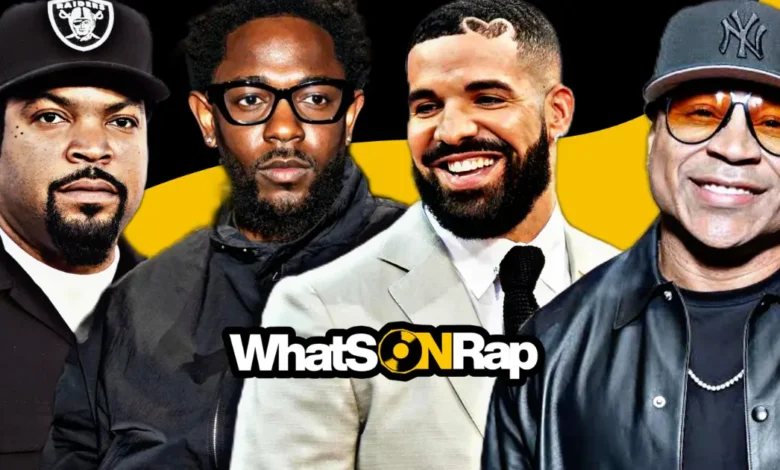
Old vs new rap beef has completely reshaped how hip-hop handles competition, moving from gritty street-corner battles rooted in personal pride and regional loyalty to high-stakes, globally amplified showdowns fueled by streaming, social media, and cultural commentary. While the old school era delivered raw, career-defining diss tracks that often carried real-world consequences, today’s new school rap feuds turn every bar into a viral moment that can dominate charts, win Grammys, and spark endless online debates, yet both eras prove that rap beef remains the ultimate proving ground for lyrical supremacy.
This evolution shows that the spirit of competition never dies; it simply adapts to the tools of its time. From the 1980s Bronx and Queensbridge block parties to the 2024-2026 Drake vs. Kendrick Lamar saga that even reached the Super Bowl stage, old and new rap beef reveals how hip-hop has grown bigger, faster, and more scrutinized while still rewarding the sharpest pens and strongest voices.
In the pages that follow, we’ll break down the defining rap beef moments of both eras, spotlight the artists who lived them, and analyze what the shift from cassette tapes and radio disses to instant-release diss tracks really means for the culture. Whether you’re a die-hard old school head or a new school rap fan, one truth stands clear: the greatest rap feud stories are the ones that still get replayed decades later.
Table of Contents
Old vs New Rap Beef: How Hip-Hop Diss Tracks Evolved from Street Cred to Global Spectacle
The history of hip-hop is inseparable from its rap beef moments. What began as live battles in parks and clubs during the old school era quickly moved to wax, where artists used 12-inch singles and albums to settle scores with precision and venom. These early clashes were often about style, territory, or straight disrespect, and they helped define entire subgenres. Fast-forward to the streaming age, and new school rap has turned those same instincts into a 24/7 content machine where one tweet or leaked track can ignite a worldwide conversation in minutes.
old and new rap beef isn’t just a timeline, it’s a masterclass in how the genre’s competitive DNA has mutated. In the old school, a diss track could end careers because there were fewer platforms to respond; today, artists drop multiple responses in a single weekend, and fans dissect every syllable on TikTok and X. Yet the core remains unchanged: the best rap feud moments expose vulnerabilities, sharpen skills, and create timeless music that outlives the drama.
What makes old vs new rap feud so compelling is the contrast in stakes and style. Old school feuds often carried the weight of real street politics and regional pride. New school rap feuds, while still deeply personal, play out under the glare of algorithms, brand deals, and global audiences. Both eras have produced legendary bars, but the delivery, speed, and aftermath tell two very different stories about hip-hop’s growth.
Kool Moe Dee
Kool Moe Dee, a pioneer from the Treacherous Three, stands as one of the earliest architects of documented old school rap feuds. In 1987 he dropped “How Ya Like Me Now,” directly accusing a rising LL Cool J of biting his style and failing to show respect to the veterans who paved the way. The track featured a visual jab, an album cover showing a car running over LL’s signature Kangol hat, that perfectly captured the era’s blend of wordplay and visual symbolism.
Moe Dee’s flow was crisp, his delivery authoritative, and his message clear: the new generation had to honor its roots or face lyrical consequences. This rap beef lasted years and forced both artists to level up their craft, proving that even in the old school, competition was about elevation as much as destruction.
LL Cool J
LL Cool J entered the game as the fresh-faced king of radio-friendly rap but quickly learned that old school credibility came with a price. After Kool Moe Dee’s shots, LL responded with the immortal “Mama Said Knock You Out” in 1990, a track that not only defended his style but redefined his career.
He addressed the theft accusations head-on while flexing harder rhymes than ever before. Later feuds with Canibus and others showed LL’s willingness to battle across generations, but his clash with Moe Dee remains the blueprint for old-school respect disputes. LL’s ability to turn a rap feud into commercial success, selling millions while still spitting fire, set the stage for every artist who followed.
Ice Cube
No old school figure weaponized a rap feud quite like Ice Cube. After leaving N.W.A. amid bitter contract disputes, Cube unleashed “No Vaseline” in 1991, a five-minute surgical takedown that named Dr. Dre, MC Ren, Eazy-E, Yella, and manager Jerry Heller one by one. The track was raw, unfiltered, and brutally personal, using explicit imagery and street-level accusations that left the group reeling. Cube’s delivery mixed humor with venom, making “No Vaseline” the gold standard for group-diss records. This rap feud wasn’t just about ego; it was about ownership, loyalty, and the harsh realities of the music business in the old school era.
Tupac Shakur
Tupac Shakur turned Old/New Rap Beef into something far darker when his friendship with The Notorious B.I.G. dissolved into the infamous East Coast–West Coast rivalry. After being shot in New York in 1994 and signing with Death Row, 2Pac released “Hit ’Em Up” in 1996, one of the most vicious diss tracks ever recorded.
He named Biggie, Puff Daddy, and their entire circle while claiming sexual involvement with Biggie’s wife Faith Evans. Pac’s intensity, rapid-fire flow, and willingness to bring real-world violence into the lyrics made this rap feud feel existential. His tragic murder in 1996, followed by Biggie’s in 1997, cemented the deadly cost some old school beefs carried.
The Notorious B.I.G.
The Notorious B.I.G. mostly responded with subliminals during the East–West war, but his presence loomed over every track. Biggie’s smooth, storytelling style contrasted sharply with Pac’s aggression, yet the rap beef elevated both artists’ catalogs. Big’s “Who Shot Ya?” and other indirect shots kept the tension alive without descending into the same level of explicit threats. His murder in 1997 remains one of hip-hop’s greatest losses, a reminder that old school rap feud energy could spill into the streets with fatal results.
Nas
Nas brought poetic precision to old school–adjacent feuds when Jay-Z dropped “Takeover” in 2001, accusing him of everything from being washed up to faking street cred. Nas answered with “Ether,” widely regarded as the greatest diss track of all time, exposing Jay’s personal life and dismantling his claims with surgical bars and biblical references.
The back-and-forth included Jay’s “Supa Ugly,” but “Ether” became the cultural victor. What made this rap feud special was its focus on pure lyricism rather than violence; both artists later reconciled publicly and collaborated, showing that old school pride could evolve into mutual respect.
Jay-Z
Jay-Z used “Takeover” to position himself as the king of New York, but the rap feud with Nas forced him to dig deeper than ever. Hov’s business-minded approach to beef, releasing multiple responses and turning the drama into album fuel, foreshadowed the strategic mindset that would dominate new school rap. The eventual peace summit at Jay’s “I Declare War” concert in 2005 proved that even the most heated old school clashes could end in unity when the bars were respected.
New School Rap Takes the Throne: Speed, Social Media, and Global Impact
New school rap didn’t just inherit the diss tradition, it supercharged it. Where old school artists waited months for physical releases, today’s MCs can drop responses in hours. Streaming platforms, Instagram Lives, and algorithmic amplification mean a single bar can reach millions instantly. The rap feud has become entertainment, cultural commentary, and brand warfare all at once.
Drake
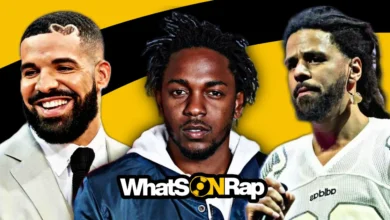
Drake entered the modern rap feud arena as the ultimate pop-rap hybrid, blending melody with calculated shots. His long-simmering tension with Kendrick Lamar boiled over in 2024 when Kendrick jumped on Future and Metro Boomin’s “Like That.”
Drake fired back with “Push Ups,” “Family Matters,” and others, accusing Kendrick of domestic issues and questioning his authenticity. Drake’s strategy relied on volume and catchiness, but the new school rap landscape favored the more direct, concept-driven approach of his rival. Even in 2026, Drake continues referencing the beef on new projects, showing how these clashes now live forever in an artist’s catalog.
Kendrick Lamar
Kendrick Lamar delivered the definitive new school rap masterclass during the 2024 escalation. Tracks like “Euphoria,” “meet the grahams,” and especially “Not Like Us” combined razor-sharp wordplay, cultural references, and devastating personal accusations. “Not Like Us” became a cultural phenomenon, winning multiple Grammys in 2025 and receiving a historic Super Bowl halftime performance in 2025 where Kendrick performed it directly to the camera.
Kendrick’s approach, methodical, concept-heavy, and rooted in West Coast pride, proved that new school rap could still deliver old school-level lyrical dominance while conquering charts and awards. His victory lap performances and the ongoing cultural conversation around the beef underscore how old vs new rap beef now plays out on a global stage.
Pusha T
Pusha T exemplified the surgical precision of new school rap feuds with his 2018 clash against Drake. After years of subliminals, Drake released “Duppy Freestyle,” but Pusha countered with “The Story of Adidon,” a devastating track that not only mocked Drake’s flow but revealed the existence of his secret son Adonis and accused him of hiding his heritage.
The diss was delivered over the beat of “Adidon” with eerie samples, showcasing Pusha’s cold, calculated delivery honed from his Clipse days. This rap feud highlighted how new school artists use personal revelations and social media buildup to maximum effect, forcing Drake to later address the claims publicly. Pusha’s victory in this battle solidified his reputation as one of the most feared lyricists in modern hip-hop.
Nicki Minaj
Nicki Minaj has been at the center of multiple high-profile new school rap feuds, most notably her long-running rivalry with Cardi B. The tension escalated in 2018 with tracks like Cardi’s “Bodak Yellow” era shade and Nicki’s response in “No Frauds,” where she dismantled claims of inauthenticity while flexing her Barbie persona. Nicki’s feuds often involve intricate wordplay, fashion disses, and social media wars that spill into interviews and award shows.
Even in 2025-2026, Nicki continues to reference past beefs in her music, demonstrating how new school rap allows artists to keep feuds alive as part of their brand. Her ability to dominate both musically and culturally during these clashes underscores the multifaceted nature of modern rap feud dynamics.
Cardi B
Cardi B brought unfiltered Bronx energy to new school rap feuds, particularly in her back-and-forth with Nicki Minaj. After subliminal shots and an infamous 2018 New York Fashion Week altercation, Cardi responded with pointed Instagram Lives and indirect tracks that kept fans engaged for years.
Her style, raw, humorous, and deeply personal, contrasted with Nicki’s polished approach, making the rap feud a battle of personalities as much as bars. Cardi’s commercial success during and after the beef, including chart-topping hits, showed how new school rap can turn conflict into career fuel. By 2026, the rivalry had cooled into occasional shade, but it remains a prime example of how social media amplifies every moment of these clashes.
YoungBoy Never Broke Again
YoungBoy Never Broke Again, one of the most streamed artists in new school rap, has kept the beef tradition alive through relentless, ongoing clashes, most notably his long-running war with NLE Choppa. The tension dates back to 2022 when YoungBoy dissed NLE on “Know Like I Know,” but it exploded again in 2025 as one of the wildest feuds of the year.
YoungBoy’s signature melodic trap style mixed with raw street energy turned every response into a chart contender, while fans tracked the back-and-forth across Instagram Lives, unreleased leaks, and surprise drops. His willingness to keep the rap feud personal and regional (Baton Rouge vs. Memphis roots) shows how new school rap artists use streaming numbers and constant content to sustain drama far longer than old school eras ever could.
BIA
BIA emerged as a sharp-tongued contender in the 2025 wave of new school rap feuds, going head-to-head with Cardi B. After years of subtle shade, the tension peaked when Cardi released “Pretty & Petty,” a vicious diss track that targeted BIA’s flow, accused her of riding coattails, and delivered some of the most quotable burns of the year (“melatonin flow puttin’ us to bed”).
BIA’s concise, punchy delivery and social-media clapbacks kept the rap feud buzzing for months, proving that even mid-tier new school artists can generate massive online engagement. The clash highlighted how female rap rivalries in the streaming age blend fashion, personality, and bars into a full cultural spectacle.
The Broader New School Landscape
Beyond the Drake-Kendrick saga, new school rap has seen feuds like Pusha T vs. Drake (2018’s “The Story of Adidon” exposing personal secrets) and female rap clashes such as Nicki Minaj vs. Remy Ma or Cardi B vs. Nicki Minaj.
These battles move at lightning speed, often involving leaked information, social media subtweets, and fan armies that keep the energy alive for months. The rap feud in 2025-2026 even prompted commentary from veterans like Jay-Z, who noted in interviews that social media has made modern beefs feel more divisive than the old school era.
What Old vs New Rap Beef Teaches Us About Hip-Hop’s Future
Old and new rap beef ultimately reveals hip-hop’s greatest strength: its ability to adapt without losing its soul. The old school gave us the blueprint, respect, territory, and raw bars. New school rap added speed, scale, and spectacle. Both eras produced music that still gets studied, replayed, and debated. Whether it’s Kool Moe Dee schooling LL Cool J or Kendrick Lamar outmaneuvering Drake on the biggest stages, the rap feud continues to push artists to their creative limits.
The next chapter of old/new rap feud will likely blend even more eras, with veterans mentoring (or clashing with) the newest wave while algorithms decide what goes viral. One thing is certain: as long as hip-hop exists, the rap feud will remain its most electric storytelling device, informative, insightful, authoritative, and always timely.