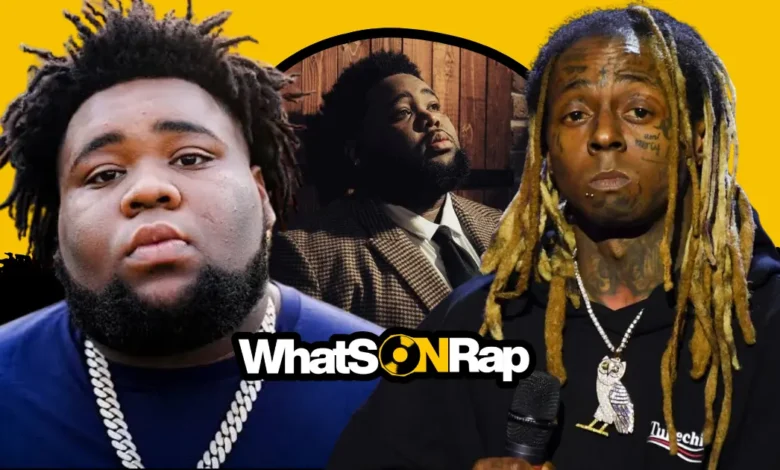
Rod Wave Every Girl Sample has become one of the most talked-about topics in hip-hop since the release of his album Don’t Look Down. Fans immediately noticed familiar lines in the track “One More Time,” sparking heated debates across social media about whether the Florida artist crossed the line.
This article breaks down exactly what happened, the difference between sampling and interpolation, the official credits, and how this fits into Rod Wave’s broader history with using older records. We will also look at previous controversies, including his ongoing issues with Boosie Badazz, so you get the full picture instead of just the rumors.
The conversation exploded right after Don’t Look Down dropped on August 28, 2026. Many listeners pointed out that Rod Wave’s opening bars sounded almost identical to Lil Wayne’s legendary verse on Young Money’s 2009 hit “Every Girl.” Some called it straight theft. Others defended it as classic hip-hop homage.
In the sections below, we examine the lyrics side by side, check the songwriting credits, and explain why music industry experts see this as an interpolation rather than pure plagiarism. You will also find context about Rod Wave’s pattern of flipping older songs and why these situations keep returning in his career.
By the end of this piece, the rumors should feel much clearer. We separate online noise from documented facts, show what Genius and WhoSampled officially list, and place the moment inside the larger culture of hip-hop borrowing. Whether you are a longtime Rod Wave fan or just following the drama, the details that follow give you everything needed to form your own informed opinion.
Table of Contents
Rod Wave Every Girl Sample on “One More Time”
The center of the current discussion is the Rod Wave Every Girl Sample (more accurately an interpolation) found on “One More Time,” the 13th track on Don’t Look Down. Rod opens the song with the lines: “I like a long haired, thick, redbone / Take her to my crib and filet mignon that pussy.” These words sit extremely close to Lil Wayne’s 2009 opening on “Every Girl”: “I like a long haired thick red bone / Open up her legs then filet mignon that pussy.”
Genius clearly lists the track as containing an interpolation of “Every Girl” by Young Money. WhoSampled also documents the connection. Importantly, the official songwriting credits for “One More Time” include Lil Wayne (Dwayne Carter), Drake, and several of the original writers from the 2009 record alongside Rod Wave and his producers. That credit is the key difference between an uncleared lift and a proper interpolation.
The song also samples Selena’s “Dreaming of You” in the intro, giving it a smooth, nostalgic feel that matches Rod’s signature emotional style. Billboard noted the Wayne reference in its track ranking, calling out how Rod “snatches several lines from Lil Wayne’s legendary opening verse.” The combination of the Selena sample and the Wayne interpolation creates a track that feels both fresh and familiar at the same time.
Understanding Interpolation Versus Plagiarism
In hip-hop, the line between inspiration and theft has always been thin. Sampling uses the actual recorded audio. Interpolation recreates the melody or lyrics in a new performance and usually requires giving the original writers credit and a share of publishing. The Rod Wave Every Girl Sample situation falls into the second category.
When the original writers appear in the credits, the use is generally considered cleared. That is exactly what happened here. Lil Wayne and the other “Every Girl” writers are listed, which strongly suggests the proper paperwork was handled. This is the same process used by countless artists, from Drake to Olivia Rodrigo, when they flip older records.
Calling every recognizable line “plagiarism” ignores how the genre has worked for decades. Hip-hop was built on reworking what came before. The real question is whether the original creators are acknowledged and compensated. In this case, the credits answer that question.
Rod Wave’s History With Samples and Interpolations
Rod Wave has built much of his sound on emotional storytelling mixed with well-chosen samples and interpolations. Tracks across his catalog pull from New Edition, Paramore, Hank Williams Jr., Jay-Z, and many others. This approach helps him create the melodic, soulful atmosphere his fans love.
That same style has also brought repeated criticism. The most public example involves Boosie Badazz. In 2023, Boosie accused Rod of using lyrics from his song “Long Journey” without proper compensation. Rod responded that he had cleared the material through the rights holders and even offered Boosie money out of pocket. The disagreement reignited around the release of Don’t Look Down, with both artists exchanging sharp words on social media and in interviews.
These earlier situations make the current Rod Wave Every Girl Sample conversation louder. Some fans see a pattern. Others point out that Rod consistently lands official clearances and credits, which is the legal standard the industry uses.
How Fans and Media Reacted
Social media filled with side-by-side videos comparing the two songs within hours of the album release. Accounts like Kollege Kidd amplified the discussion, and thousands of comments debated Rod Wave Plagiarizing Lil Wayne. Some listeners celebrated the nostalgic nod to the Young Money era.
Others felt the lines were too close and pushed the narrative of Rod Wave Plagiarizing Lil Wayne.The conversation also mixed with the renewed Boosie talk, creating a wider discussion about how younger artists use the catalogs of older Southern rappers. While many online voices kept repeating claims of Rod Wave Plagiarizing Lil Wayne, the official credits tell a different story.
The Bigger Picture in Hip-Hop Culture
Every generation of rappers faces the same questions. Jay-Z quoted Biggie. Drake has interpolated dozens of records. Lil Wayne himself has flipped countless older songs throughout his career. The culture rewards clever reuse when it is done with respect and proper clearance.
The Rod Wave Every Girl Sample fits inside that tradition. Rod took a memorable 2009 bar, placed it in a new emotional context, added a Selena sample, and released it with the original writers credited. That process is how many modern hits are made.
At the same time, the repeated public arguments show that not every older artist feels fully satisfied even when the paperwork is correct. Ownership percentages, personal relationships, and feelings of respect often matter as much as the legal side.
Final Thoughts on the Controversy
The truth about the Rod Wave Every Girl Sample is straightforward once the noise settles. It is a clear interpolation of Lil Wayne’s verse from “Every Girl,” properly credited, and combined with a Selena sample on the album Don’t Look Down. Claims of pure plagiarism do not match the documented credits or industry standards.
Rod Wave continues to draw from the music that shaped him while building his own lane of melodic street storytelling. Whether fans love the approach or wish he wrote every line from scratch, the record shows how hip-hop keeps older classics alive in new forms. The rumors may keep circulating, but the credits and the history of the genre tell a more complete story.