Tupac Murder Trial 2026: The Full Story of Keffe D From 1996 to Today
Thirty years later, the silence finally breaks in court.

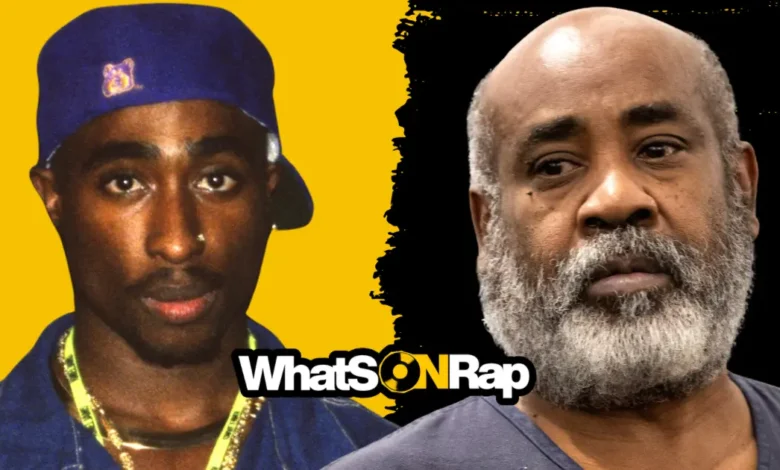
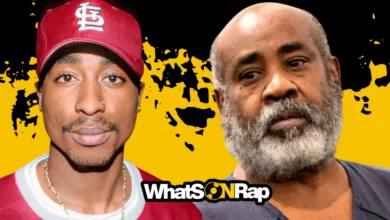
Tupac Murder Trial stands as the long-awaited legal chapter in one of hip-hop’s most painful and enduring mysteries. Nearly thirty years after Tupac Shakur was gunned down on the Las Vegas Strip, the only person ever charged in his killing is finally facing a jury.
This article traces every major turn in the story: the explosive East Coast-West Coast rivalry that created the climate of violence, the chaotic night of September 7, 1996, the decades the case remained unsolved, the book and interviews that ultimately forced the issue, the 2023 arrest of Duane “Keffe D” Davis, the hard-fought pre-trial battles over evidence, and the jury selection now underway in August 2026.
You will find the key players, the street-level retaliation that turned deadly, the prosecutor statements that reveal how the case was built, and an honest assessment of what a verdict can and cannot deliver. From the MGM Grand lobby fight to the current courtroom in Clark County, every essential detail is laid out so readers understand how a single night of gunfire became a generational question mark.
By the final section you will see clearly how the Tupac Murder Trial moved from cold-case frustration to active proceedings, and why the outcome still carries heavy weight for fans, family, and hip-hop history.
Table of Contents
Tupac Murder Trial: The East Coast–West Coast Rivalry That Set the Stage
The violence that claimed Tupac’s life did not appear out of nowhere. By the mid-1990s the hip-hop world was deeply divided along geographic and personal lines. On the West Coast, Death Row Records, led by Marion “Suge” Knight, had become a dominant force. Tupac Shakur, freshly signed to the label after his release from prison, embodied its aggressive, unapologetic energy. On the East Coast, Bad Boy Records and Sean “Puff Daddy” Combs represented a different sound and a different set of alliances.
The tension played out in lyrics, magazine covers, and real-world confrontations. Tupac’s track “Hit ’Em Up” remains one of the most venomous diss records ever released, naming rivals and raising the stakes far beyond music. Behind the records sat actual gang affiliations.
Death Row maintained close ties to the Mob Piru Bloods, while many of the men later connected to the Las Vegas shooting belonged to the South Side Compton Crips. Earlier incidents, fights at awards shows, claims of stolen jewelry, and constant media amplification kept the rivalry boiling. That mixture of industry ego, street loyalty, and public spectacle created the conditions for tragedy.
September 7, 1996: The Night Everything Exploded in Las Vegas
On the evening of September 7, 1996, Tupac and Suge Knight attended the Mike Tyson versus Bruce Seldon heavyweight fight at the MGM Grand. After the bout, a confrontation erupted in the hotel lobby. Tupac and several members of his group attacked Orlando Anderson, a young South Side Compton Crip and the nephew of Duane “Keffe D” Davis. Casino security cameras recorded the beating.
A short time later, Tupac and Suge left the property in a black BMW. Near the intersection of Flamingo Road and Koval Lane, a white Cadillac pulled alongside them. Multiple shots were fired. Tupac was struck several times in the chest and torso. He was rushed to University Medical Center, where he fought for six days before dying on September 13 at age 25. Suge Knight suffered a minor head wound. The drive-by instantly became one of the most documented and debated crimes in American popular culture.
The Immediate Investigation and Early Suspects
Las Vegas Metropolitan Police treated the shooting as a high-priority case from the first hour. Orlando Anderson emerged as the earliest person of interest because of the MGM Grand fight. Investigators believed a group of Compton Crips had been in the white Cadillac, yet cooperation proved almost nonexistent. The code of silence on the street was powerful. Anderson denied involvement and was never charged. He was killed in an unrelated Compton gang shooting in 1998.
Other names circulated quietly among detectives and journalists. Several men allegedly present in the Cadillac that night have since died. Without reliable witnesses willing to testify or strong physical evidence linking a specific shooter to the crime, the investigation lost momentum. Early leads faded, and the case began its long journey into cold-case status.
A Case That Went Cold for Nearly Three Decades
For more than twenty-five years the murder of Tupac Shakur remained officially unsolved. Documentaries, true-crime books, podcasts, and online forums kept the discussion alive. Theories ranged from simple gang retaliation to elaborate industry conspiracies. Retired Los Angeles detective Greg Kading published detailed accounts of his own investigation and kept public attention on the Compton connection.
Police reopened the file periodically, yet new evidence remained scarce. The deaths of potential witnesses and the passage of time made traditional prosecution seem increasingly unlikely. Fans continued to demand answers while the official record stayed silent. That long period of frustration set the stage for the surprising developments that finally brought charges.
Keffe D Steps Into the Spotlight
Duane “Keffe D” Davis had been known to investigators for years. As a senior figure in the South Side Compton Crips and the uncle of Orlando Anderson, he occupied a central place in the street narrative of the shooting. In 2008 he gave a lengthy interview to police in which he described events surrounding the night. He later maintained that detectives had promised the conversation would remain confidential and would not be used against him.
In 2019 Davis released the memoir Compton Street Legend. In its pages he wrote openly about being inside the Cadillac, providing the firearm, and directing the retaliation after the MGM Grand incident. He repeated versions of the story in subsequent media appearances. Those public statements proved decisive. During later court proceedings a prosecutor observed, “Had Mr. Davis never opened his mouth, never written the book, he would probably not have been prosecuted for the crime.” The words Davis chose to put on the record became the foundation of the case against him.
The 2023 Arrest That Finally Broke the Silence
On September 29, 2023, authorities arrested Duane Davis following a grand-jury indictment. He faced a single count of murder with a deadly weapon with the intent to promote, further, or assist a criminal gang. Prosecutors emphasized that they were not required to prove Davis personally fired the shots. Their theory centered on his role as the organizer who ordered the attack and supplied the gun in response to the earlier beating of his nephew.
Davis pleaded not guilty and has remained in custody. The arrest marked the first time anyone had been formally charged in connection with Tupac’s death. It also transformed years of speculation into an active criminal prosecution and placed the Tupac Murder Trial on the official court calendar, even though scheduling delays pushed the start into 2026.
Pre-Trial Battles: Evidence Fights and Delays
Defense attorneys mounted repeated challenges to the core evidence. They sought to exclude both the 2019 memoir and the 2008 police interview, arguing that the interview had been given under assurances of confidentiality and that the book contained fictionalized elements created for commercial gain. Judges rejected those arguments in a series of hearings. By mid-2026 the court had ruled that both the book and the recorded interview could be presented to the jury.
Additional motions addressed jury sequestration, discovery issues, and changes in legal counsel. The trial date was postponed more than once. When the prosecution released its witness list, notable names appeared, including Suge Knight, relatives of Tupac, and former Death Row security personnel. The legal maneuvering prolonged the process but also clarified the battlefield on which the case would ultimately be decided.
The Tupac Murder Trial Begins: Jury Selection in August 2026
Jury selection for the Tupac Murder Trial opened on August 10, 2026, in Clark County District Court under Judge Carli Kierny. Prospective jurors are being examined about their familiarity with Tupac’s music and death, their exposure to documentaries and news coverage, their willingness to view graphic evidence, and any personal hardships that a multi-week trial might create. By the second day approximately fifteen candidates had advanced while others were excused for language difficulties or financial concerns.
Court officials expect opening statements to begin around August 17. Because of intense public interest, seating in the main courtroom is being allocated by lottery. Davis, now 63, appears each day as the selection process continues. After nearly thirty years of waiting, the legal system is finally moving forward in real time.
What This Trial Can and Cannot Resolve
Even a definitive verdict will leave certain questions unanswered. Prosecutors do not need to identify the person who pulled the trigger. Their burden is to prove that Davis directed the shooting and provided the weapon. Several individuals believed to have been in the Cadillac that night are deceased. Suge Knight has indicated limited willingness to cooperate.
If convicted, Davis faces the possibility of life in prison without parole. Prosecutors have stated they will not seek the death penalty. Whatever the jury decides, the proceedings represent the most formal examination the public has ever received of the night Tupac was killed. For millions who grew up with the music and the mystery, the Tupac Murder Trial offers both the prospect of accountability and the sobering recognition that some details of that September night may remain forever out of reach.