Tyga AI Album ‘$TARFACE’ Earns Shocking Pitchfork’s First 0/10 in 19 Years
Zero stars. Maximum controversy.

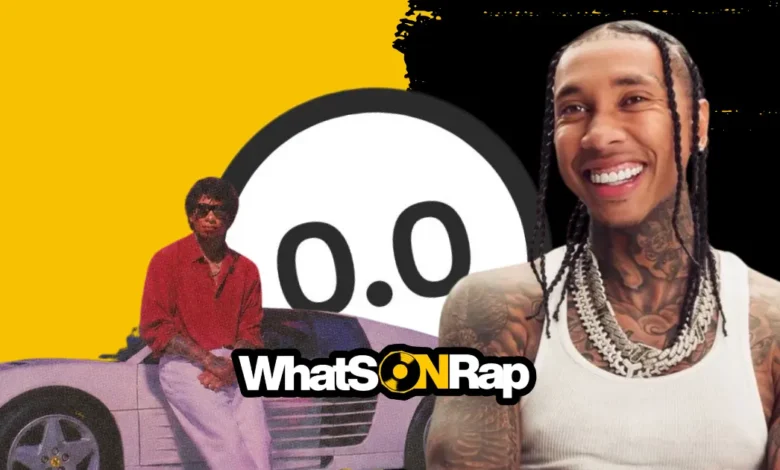
Tyga AI Album $TARFACE has become the most talked-about release of the summer for all the wrong reasons. The project, which dropped in late July 2026, just received a rare 0.0 score from Pitchfork, the publication’s first perfect zero in 19 years. What started as a bold ’80s-inspired concept album quickly turned into a flashpoint for the ongoing debate about artificial intelligence in music after Tyga openly admitted using AI tools during its creation.
This article covers the full story behind the album, Tyga’s own comments about using AI, the brutal Pitchfork review that called the project’s existence a net negative for the world, the historical weight of a 0.0 score, and the wider conversation the controversy has ignited across the industry. From the creative concept to the internet’s reaction, every key detail is laid out clearly.
By the end you will understand exactly why the Tyga AI Album triggered such a strong response, what the reviewer actually wrote, and what this moment means for artists experimenting with new technology in 2026.
Table of Contents
Tyga AI Album: The Concept Behind $TARFACE
$TARFACE was never meant to be a standard Tyga rap album. Released on July 31, 2026, the project introduced a full alter-ego built around an early-1980s aesthetic loosely inspired by the visual language and mythology of Scarface. Instead of the trap-heavy sound that made Tyga famous, the album leans into glossy synth-pop, disco influences, and polished ’80s production.
Tyga framed the project as a creative risk, a complete character study rather than another collection of street records. Early promotional material and interviews described it as a fully realized alternate persona. The 10-track effort arrived with stylish visuals and a clear concept, generating curiosity even before the AI conversation began. For a brief window it looked like Tyga was attempting one of the more ambitious pivots of his career.
The AI Admission That Changed Everything
Shortly after the album’s release, questions about artificial intelligence began circulating online. Some listeners and producers claimed certain instrumental elements sounded generated rather than performed. At first Tyga appeared to push back, telling one outlet that the project used vintage hardware, delays, and harmonizers from the actual 1980s.
Days later he shifted his stance in a Vibe interview. “We definitely used AI as a tool,” he said. “It’s no different than when Auto-Tune came out. Some people were opposed to it, but real artists took it and used it.” He maintained that all the writing and every vocal performance were entirely his own, while acknowledging that AI helped generate specific musical parts such as synth lines and guitar solos. That admission became the central talking point around the Tyga AI Album and set the stage for the critical backlash that followed.
Pitchfork’s Historic Zero Score
On August 12, 2026, Pitchfork published its review of $TARFACE, written by Drew Millard. The score was a clean 0.0 the first time the influential site had handed out a perfect zero since Jet’s Shine On in 2006.
The review did not hold back. Millard described the album as “smug and complacent and depressing” and wrote that “its very existence has made the world a worse place.” He called the project “slop-pop,” an uninspired amalgam of ’80s synth-pop and disco created by someone who appeared to have little genuine connection to those genres.
The critic also noted that the margins on such a low-effort release must be excellent, given how little human labor seemed to go into it. The review immediately went viral and cemented the Tyga AI Album as one of the most harshly received projects of the year.
Why a 0.0 Score Still Carries Weight
Pitchfork zeros are extremely rare. Over nearly two decades the site has preferred to express strong dislike with scores in the 1.0–3.0 range rather than handing out absolute zeros. That rarity is what made the $TARFACE review land with such force.
A 0.0 is not simply a bad score, it is a statement. In this case it signaled that the publication viewed the album not just as unsuccessful, but as actively worthless and even harmful to the broader music landscape. For an artist of Tyga’s commercial stature, receiving that kind of institutional rejection is unusual and guarantees extended media coverage.
Public and Industry Reaction
The internet response was immediate and loud. Social media filled with jokes, memes, and debates. Some users mocked the score with lines like “not even an E for effort,” while others defended Tyga’s right to experiment with new tools. A portion of the conversation focused less on the music itself and more on the ethics of AI-assisted creation, especially when the artist initially appeared reluctant to discuss it.
Within the industry the review added fuel to an already heated discussion. Artists who oppose generative AI pointed to the score as validation of their concerns. Others argued that technology has always evolved, from drum machines to Auto-Tune to sample packs , and that the real issue is transparency and artistic intent rather than the tools themselves.
The Bigger Conversation About AI in Music
The controversy around the Tyga AI Album sits inside a much larger shift happening across the industry. In 2026, more artists are quietly or openly testing AI systems for ideation, arrangement, and even full instrumental production. At the same time, a growing number of musicians, songwriters, and producers are pushing back, warning that heavy reliance on generative tools risks flooding the market with low-effort content and devaluing human creativity.
Tyga’s case became a high-profile example because he is a recognizable name with a long track record. His comparison of AI to Auto-Tune resonated with some listeners and frustrated others who see the two technologies as fundamentally different. The Pitchfork review did not just critique one album; it became a proxy battle in the wider cultural argument about where the line should be drawn.
What Comes Next for Tyga
As of mid-August 2026, Tyga has not issued a detailed public response to the Pitchfork score. The album continues to stream, and the controversy has arguably given $TARFACE more visibility than a typical late-career Tyga project might have received. Whether the attention translates into long-term interest or simply becomes a cautionary footnote remains to be seen.
What is already clear is that the combination of an ambitious concept, an AI admission, and a historic critical rejection has turned $TARFACE into one of the defining music stories of the year. The Tyga AI Album did not just underperform with critics, it became a symbol in a much larger debate about technology, effort, and authenticity in modern music.