Leaked tracks: how music leaks severely affects artists and album rollouts
Leaked tracks in rap: how music leaks disrupt artists and album rollouts.

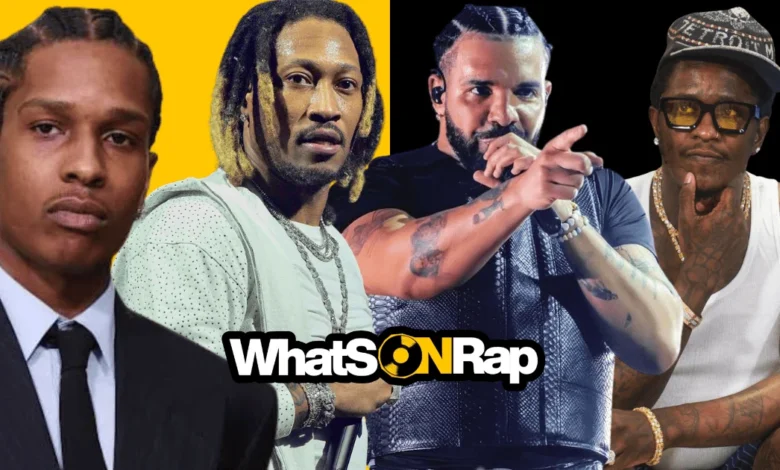
Leaked tracks now sit at the center of modern rap and hip-hop culture, quietly influencing how albums are released, received, and remembered. What once felt like a rare breach has turned into a recurring challenge for artists navigating the digital era. In a genre where timing and surprise matter deeply, leaks have shifted power away from carefully planned rollouts and into the hands of online communities.
For rappers, an album release is more than a date on the calendar. It’s a calculated moment built on singles, visuals, features, and fan anticipation. When music surfaces early, that plan can unravel overnight. Artists are forced to respond publicly, rethink tracklists, or even scrap entire projects before fans hear the final vision.
This reality has made leaked tracks one of the most controversial topics in rap today. They can weaken sales, fracture creative intent, and strain trust within camps. At the same time, they sometimes generate attention that money cannot buy, creating a strange tension between damage and opportunity that defines today’s hip-hop landscape.
Table of Contents
Leaked tracks and the changing power of album rollouts
In hip-hop, control is currency. Artists carefully decide when to tease a song, when to preview a verse, and when to go silent. Leaks strip away that power. Once a song hits Discord servers, Reddit threads, or X, the audience starts forming opinions before the artist has finished the story.
Leaked tracks often arrive unfinished. Rough mixes, early demos, or placeholder verses circulate as if they’re final products. Fans judge them instantly, which can force artists to scrap ideas or rush changes. This doesn’t just affect hype; it alters creative confidence and long-term planning.
Even artists outside pure rap have voiced frustration. SZA described leaked music as a theft of her “job,” a feeling many hip-hop artists quietly share. In a genre built on authenticity, losing control over how music is introduced can feel deeply personal.
Leaked tracks and the financial reality of hip-hop
Money moves fast in rap, and leaks slow it down. First-week streams matter, chart positions matter, and early access can dilute both. When fans already have a song, many won’t replay it on official platforms once it drops.
For producers and writers, the damage can be even worse. Backend payments rely on official streams and sales. When leaks spread widely, those numbers shrink. Labels also feel the pressure, often redirecting marketing budgets toward damage control instead of growth.
Still, the streaming era complicates the picture. In some cases, leaked tracks spark online conversations that push listeners toward official releases. Drake’s leaked 2024 loosies, including “Cheerios,” circulated early but didn’t stop For All the Dogs from topping charts. The risk is uneven; what works for megastars can devastate smaller artists.
Leaked tracks and creative burnout in rap culture
Beyond money, leaks wear artists down. Albums are meant to unfold in a sequence, with emotional highs and lows placed intentionally. When songs leak out of order, that structure collapses.
Artists are then stuck reacting to fan feedback they never asked for. Some revise projects repeatedly, others delay releases entirely. Over time, this cycle leads to burnout. Rappers begin to question whether it’s worth experimenting when unfinished work might be judged publicly.
Trust also erodes. Studios become guarded spaces. Files are renamed, hard drives replace cloud links, and collaborators shrink their circles. Leaked tracks don’t just expose music; they expose vulnerability.
Leaked tracks and the rise of defensive release strategies
Hip-hop hasn’t stayed still. Artists have adapted. Surprise drops, once rare, are now a defensive tactic. Releasing everything at once leaves little room for leaks to gain traction.
Others lean into controlled chaos. Short snippets, intentional previews, and unofficial drops help test reactions without committing fully. In some cases, artists turn leaks into fuel, reclaiming songs by releasing them officially later.
This balance is delicate. Use leaks too aggressively, and fans feel manipulated. Ignore them, and narratives spiral out of control. The smartest strategies treat leaks as data, not disasters.
Leaked tracks in Drake’s Iceman era
No modern rapper illustrates this tension better than Drake. In 2025, several tracks from his upcoming Iceman project leaked during label negotiations and an ongoing rap beef. Drake described the situation as a “stranglehold” from his label, reflecting frustration shared by many artists in similar positions.
Things escalated when streamer BagWork released “National Treasure” featuring Pressa. Drake reacted publicly, saying, “I don’t even know who the f**k those kids are.” The song went viral, but industry voices suggested it may have been cut due to clearance issues.
Instead of retreating, Drake leaned forward. His alt account, “plottttwistttttt,” became a testing ground for new music. In this case, leaked tracks didn’t stop momentum; they reshaped how it moved.
Leaked tracks and Young Thug’s post-jail return
Young Thug faced a different challenge. His 2025 album UY Scuti arrived under heavy scrutiny after leaked jail calls surfaced, allegedly involving chart manipulation claims tied to Gunna’s DS4EVER. Older tracks also reappeared, reigniting old tensions.
These leaks shifted focus away from music and toward controversy. For an artist rebuilding momentum after legal trouble, timing mattered. Delays followed, and promotional plans changed. Still, fan loyalty remained strong, showing how leaks can damage optics without fully breaking support.
In this case, leaked tracks didn’t define the album, but they forced a defensive rollout that shaped its reception.
Most notable leaked tracks examples in rap & hip-hop
Kanye West – Yandhi (2018)
One of the most infamous leak cases in hip-hop history. Nearly the entire Yandhi album leaked online before release, forcing Kanye West to abandon the project altogether. Many leaked tracks were later reworked into Jesus Is King, showing how leaks can completely redirect an artist’s creative path and album identity.
Playboi Carti – Whole Lotta Red (2020)
Before Whole Lotta Red officially dropped, dozens of leaked tracks circulated online, including fan favorites that never made the final album. The leaks split Carti’s fanbase and increased pressure around the official release, proving how leaked tracks can raise expectations that are impossible to meet.
Lil Uzi Vert – Eternal Atake (2020)
Lil Uzi Vert battled years of leaks before Eternal Atake finally arrived. Songs like “Of Course” leaked early but became cult classics. Uzi eventually embraced the leaks by releasing LUV vs. The World 2, turning fan-demanded leaked tracks into official releases.
Juice WRLD – posthumous leaks
Juice WRLD’s unreleased catalog is one of the most leaked in rap history. Hundreds of songs surfaced online, many gaining millions of streams on unofficial platforms. While leaks helped maintain fan interest, they complicated official releases like Legends Never Die, forcing labels to navigate an already-saturated audience.
Travis Scott – Utopia Era (Pre-2023)
Multiple unreleased Travis Scott tracks leaked during the long wait for Utopia. Fans dissected snippets and demos for years, creating theories and expectations. While the final album succeeded, leaks shaped how listeners judged the finished product before release.
A$AP Rocky – Don’t Be Dumb
Several tracks from Don’t Be Dumb leaked ahead of schedule, prompting delays and public frustration from Rocky. Early reactions to leaked songs influenced rollout decisions and cooled hype, showing how leaks can disrupt even high-profile artists.
Future – HNDRXX Sessions
During Future’s prolific run, multiple leaked tracks surfaced between album releases. Some songs were later officially released, while others remained vault material. The leaks blurred the line between mixtape culture and official albums.
Leaked tracks as opportunity and risk in hip-hop
Not all leaks fail. Some become launchpads. Lil Baby’s The Leaks turned unofficial songs into an official release, reclaiming streams and reframing frustration as a strategy. Posthumous releases from Juice WRLD followed a similar path, keeping his music alive through massive fan demand.
But for every success story, there’s a quieter loss. Smaller artists lack the safety net of loyal fanbases and marketing muscle. A single leak can stall momentum completely. In rap’s fast-moving ecosystem, recovery isn’t guaranteed.
Leaks aren’t going away. Hip-hop’s collaborative nature, digital workflows, and constant demand for content make it especially vulnerable. As long as exclusivity and hype drive attention, leaks will remain powerful.
The future belongs to artists who adapt without losing their voice. Those who understand when to fight leaks, when to absorb them, and when to flip them into opportunity will survive the chaos.
In rap and hip-hop, control is never permanent. But how artists respond to leaked tracks may define the next era of album rollouts.