Drake Stake lawsuit alleges boosting music streams by Drake, Adin Ross, and others
Drake Stake Lawsuit alleges music stream boosting by Drake, Adin Ross, and others.

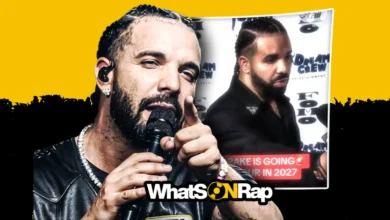
Drake Stake lawsuit has once again put the Toronto rapper and his associates in the spotlight. The federal case accuses Drake, Adin Ross, and the online gambling platform Stake of allegedly using tipping features to artificially boost music streams. While fans are eagerly awaiting Drake’s new album ICEMAN, this lawsuit adds a new legal complication to his career.
This marks the third time Drake and Stake have faced legal scrutiny regarding their financial dealings and promotional tactics. The lawsuit claims that the defendants used Stake’s “tipping” feature to move money between themselves, which was then allegedly employed to fake-boost Drake’s tracks on major digital platforms. The accusations are detailed, suggesting a methodical approach designed to create false popularity.
According to court filings, the plaintiffs assert that the tip transfers were structured to hide the flow of money while amplifying Drake’s reach. The Drake Stake Lawsuit paints a picture of an operation that intertwines hip-hop celebrity influence, online platforms, and alleged illegal financial activity. Fans of the rap superstar are now watching closely to see how this case unfolds.
Table of Contents
Drake Stake lawsuit claims
According to reports shared on X by Loren LoRosa, the Drake Stake lawsuit alleges that the codefendants, including Drake, Adin Ross, and George Nguyen, exploited Stake’s tipping system to exchange funds. These funds were then allegedly used to generate artificial streams, also known as “botting,” which can distort music charts, recommendation algorithms, and overall engagement metrics.
“In addition, through Stake’s Tipping function, Defendants have financed their combined artificial streaming (‘botting’) to create fraudulent streams of Drake’s music; fabricate popularity; disparage competitors and music label executives; distort recommendation algorithms; and distribute financing for all of the foregoing, while concealing the flow of funds,” plaintiffs reportedly stated in the filing.
The lawsuit points to specific examples, including a $100,000 tip transfer between Ross and Drake in 2023 and the 2024 “Drizzmas” giveaway stream, suggesting that these transactions were part of a coordinated effort. The complaint also mentions a $220,000 car allegedly gifted to Ross by Stake days before the filing.
Federal RICO allegations and legal implications
Filed in the United States District Court for the Eastern District of Virginia, the Drake Stake Lawsuit falls under federal RICO laws, which are typically applied in cases involving organized fraud or conspiracy. The plaintiffs, reportedly LaShawnna Ridley and Tiffany Hines, claim damages amounting to $5 million, citing an illegal gambling operation used to support fraudulent stream activity.
This federal designation underscores the seriousness of the allegations. RICO cases are rare in entertainment litigation but are often pursued when multiple parties are believed to coordinate illegal activities over time. In this case, the plaintiffs argue that Drake and his associates knowingly facilitated these practices, leveraging both celebrity influence and digital platforms to create a financial advantage.
Drake’s previous legal challenges
Drake has previously been involved in two lawsuits related to Stake, both filed in October 2025. The current Drake Stake Lawsuit adds to a growing list of legal challenges that intertwine hip-hop, streaming platforms, and emerging online monetization systems. These cases also highlight the increasing scrutiny of how celebrity endorsements and influencer activity intersect with online gambling and music promotion.
The lawsuit specifically questions Drake’s involvement in a $100 million endorsement deal with Stake signed in 2022. By connecting high-profile partnerships to alleged streaming manipulation, the Drake Stake Lawsuit has brought attention from both the hip-hop community and industry regulators.
While the allegations are serious, nothing in the lawsuit confirms guilt, and the case remains ongoing. The filing reflects a complex mix of technology, celebrity influence, and digital media trends in modern hip-hop. For fans, it’s a reminder of how intertwined music promotion, online platforms, and financial incentives have become.
The Drake Stake Lawsuit emphasizes that even top-tier artists like Drake can face legal scrutiny when business and creative ventures intersect. Whether this affects Drake’s release of ICEMAN or future projects remains to be seen.
The case may set a precedent for how digital tipping, online streaming, and influencer collaborations are regulated in the music industry. By naming high-profile figures like Drake and Adin Ross, the Drake Stake Lawsuit draws attention to the legal and ethical questions surrounding digital engagement metrics and promotional tactics.