Rap streaming vs sales: what matters more in today’s music industry?
How streaming is changing hip-hop

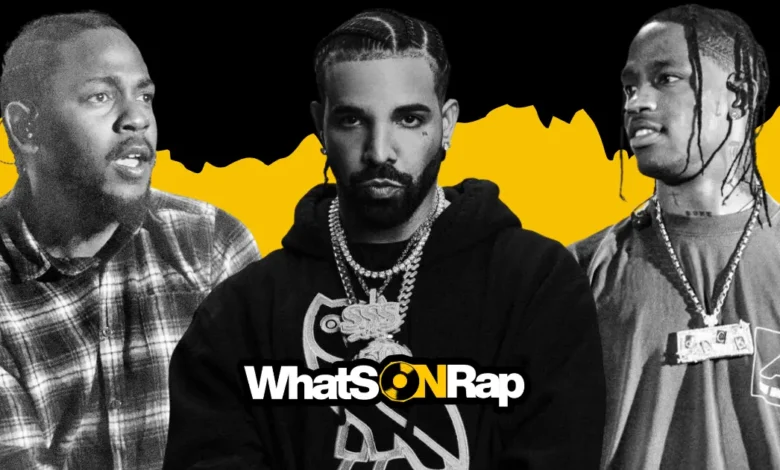
The rap streaming vs sales debate has intensified in recent years as the music industry undergoes monumental shifts. Streaming services have revolutionized how fans consume music, leading many to question the relevance of traditional album sales. The ongoing dialogue centers around whether streaming statistics can accurately reflect an artist’s true popularity, influence, and financial success. Ultimately, while both streaming and sales have their merits, streaming is undeniably becoming the dominant force in the rap industry.
As platforms like Spotify, Apple Music, and YouTube continue to gain traction, understanding the implications of rap streaming vs sales becomes crucial for artists, labels, and fans alike. In this article, we’ll delve into how streaming has transformed the music business, examine notable examples from the rap genre, and discuss the implications of shifting consumption patterns on artists’ careers and revenue. By analyzing critical data and trends, we aim to provide an in-depth look at how these two aspects of the music industry interact with and affect one another.
In conclusion, the rap streaming vs sales debate is not just about numbers; it reflects changing consumer behaviors, industry practices, and artist dynamics. By dissecting this relationship, we hope to shed light on how the future of the rap genre may evolve and what it can mean for artists and fans moving forward.
Table of Contents
Rap Streaming vs Sales: The Current Landscape
The Shift to Streaming
The transition from physical album sales to digital streaming is one of the most significant changes in the music industry over the past decade. In 2015, streaming overtook digital downloads as the largest revenue source for the music industry in the United States. According to the Recording Industry Association of America (RIAA), streaming accounted for 83% of music revenue in 2022. This shift has profoundly impacted rap, where many artists thrive in a streaming-first environment. For instance, in 2023, Bad Bunny became the first artist to surpass 100 million monthly listeners on Spotify, showcasing the sheer reach and impact of streaming services.
The popularity of streaming platforms has also led to changes in how artists release music. Many rappers have opted to release singles rather than full albums as a strategy to maximize streams. This trend is evident in artists like Lil Nas X, whose hit “Old Town Road” gained immense popularity not just due to its catchy tune but because it leveraged the virality of streaming platforms and social media to break records.
Album Sales: A Declining Metric?
While streaming services become the preferred way to consume music, it’s essential to recognize the way traditional album sales have dwindled. Despite claiming a significant number of listeners, sales figures are typically lower than in the past. For instance, Drake’s highly anticipated album “Certified Lover Boy” debuted at number one on the Billboard 200 with impressive streaming figures, yet it sold only 500,000 album-equivalent units in its first week, a notable decline compared to his previous releases.
Artists like Post Malone and Travis Scott have also seen this trend. Scott’s album “Astroworld” smashed streaming records with over 600 million on-demand streams in its first week, but its physical sales numbers were overshadowed by its streaming success.
Moreover, the landscape for album sales is changing. With the introduction of bundling sales, where physical albums can be packaged with concert tickets or merchandise, album sales are now more about innovative marketing than traditional sales tactics. This shift leads to questions about the authenticity and long-term sustainability of products sold in this manner.
Impact on Artists: Engagement and Income
The financial implications of rap streaming vs sales go beyond simple numbers. For many artists, the ability to connect with fans through streaming has become an essential marketing tool. Streaming platforms often provide valuable data about listener demographics, engagement, and geographic distribution, allowing artists to tailor their music and marketing strategies effectively.
However, despite the promise of increased engagement, streaming typically generates less income per play than traditional album sales. For instance, streaming services pay artists an average of $0.004 to $0.008 per stream, which pales in comparison to the revenue earned from selling a physical album. Consequently, many artists are rethinking their strategies to maximize revenue. For example, J. Cole strategically released his album “The Off-Season” along with merchandise and concert tours to supplement his income from streaming, a tactic that is becoming increasingly common among rap artists.
Examples of Major Artists Shaping the Debate
Drake
Drake is often at the forefront of discussions surrounding rap streaming vs sales. With a record-breaking number of hits on the Billboard Hot 100 and substantial streaming numbers, his business model blends both avenues deftly. His track “God’s Plan” garnered over a billion streams, yet it also topped charts for several weeks. His recent efforts to include vinyl and merchandise bundles with his album releases demonstrate the industry’s evolving landscape.
Travis Scott
Travis Scott’s approach illustrates the power of streaming in creating buzz. His album “Astroworld” smashed streaming records, with its impact leading to a collaborative effort with McDonald’s that combined both sales and streaming initiatives. The rollout of his projects increasingly relies on merchandise and festival tie-ins that further amplify streaming numbers, exemplifying an innovative fusion of both worlds.
Kendrick Lamar
Kendrick Lamar stands out as an artist who thrives on both album sales and streaming. His album “DAMN.” secured impressive sales figures, but its real success was demonstrated through record-breaking streaming stats. Lamar’s storytelling and rich lyrical content appealed to both traditional audiences and the streaming demographic, showcasing the potential merger of both realms in creating a lasting impact.
Lil Nas X
Lil Nas X epitomizes the impact of streaming in modern rap. His debut single “Old Town Road” broke records across various platforms, demonstrating that virality on social media directly translates to streaming success. This song’s ascension highlights how streaming platforms serve as a launching pad for new artists to reach a massive audience without relying solely on traditional sales metrics.
Megan Thee Stallion
Megan Thee Stallion has also seen incredible success in the streaming realm. Her debut studio album “Good News” performed exceptionally well, highlighted by tracks like “Savage” and “Body,” both of which received millions of streams. Megan successfully leveraged social media and streaming platforms to engage her audience, often collaborating with other artists to enhance her visibility across the genre.
Lil Baby
Lil Baby is another artist who exemplifies the modern streaming landscape. His album “My Turn” achieved impressive streaming numbers, showcasing how artists can chart without relying solely on traditional album sales. With a unique sound and engaging persona, Lil Baby has become a streaming powerhouse, drawing millions of listeners to his work.
Nicki Minaj
Nicki Minaj adds another layer to the debate. With an established presence in both album sales and streaming, her recent release “Beam Me Up Scotty” saw her reignite interest and fuel massive streaming success. Minaj’s ability to adapt her marketing techniques has allowed her to stay relevant in an evolving industry, proving that legacy acts can still thrive in a streaming-dominated landscape.
Future Trends: Streaming vs Sales in Hip Hop
The ongoing debate of streaming vs sales in hip hop is far from settled; it will continue to evolve as emerging platforms and technologies shift consumption patterns. Recently, there have been efforts to reform how artists are compensated for their work and improve visibility for lesser-known artists through equitable streaming practices. As more artists enter the industry, leveraging both streaming and sales, the focus will turn toward finding harmony between these two crucial elements of music consumption.
While rap streaming vs sales remains a complex topic, it’s clear that streaming has become a cornerstone for the modern music landscape. The data shows that as streaming popularity rises, traditional album sales will likely continue to wane. Understanding this dynamic will be essential for artists aiming to thrive in an ever-changing industry environment. As we move forward, both artists and fans must adapt to the new realities of music consumption, balancing the power of streaming with the enduring value of traditional sales.