Lil Wayne Kid Rock Collaboration: From All Summer Long to New “7 Sins” Feature
Two Decades of Unexpected Chemistry

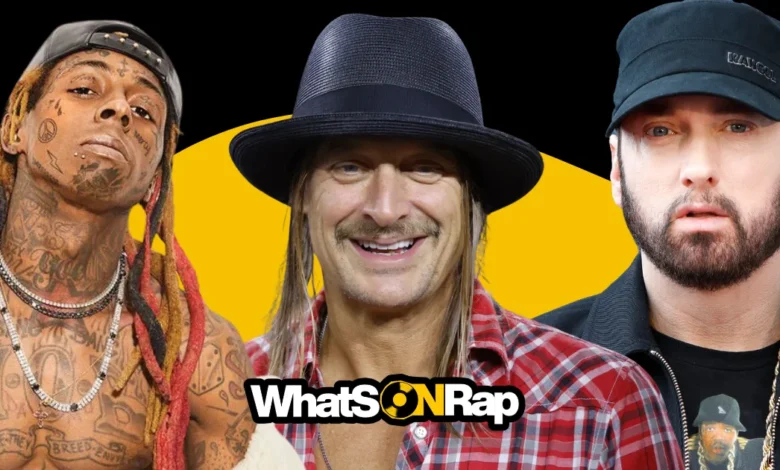
Lil Wayne Kid Rock collaboration has quietly connected two artists from very different musical worlds for nearly twenty years. What started as a high-energy live surprise in 2008 has now returned in 2026 with a thoughtful studio feature that few people predicted. This article covers every important chapter of their shared history so readers can understand both the early excitement and the deeper meaning of their latest work together.
In what follows, you will find the full background of their first joint performances, the unforgettable backstage story that still gets told today, the last-minute changes that shaped the new track, and the place this pairing holds inside Kid Rock’s latest album. Everything is presented in a clear and engaging way so both longtime fans and new listeners can follow the complete journey without missing key details.
Whether you remember the original award-show moments or you only recently heard about the new song, this detailed look brings the full picture into focus. From bright stage lights and a last-minute guitar lesson to a clean verse about redemption, the path these two artists have taken continues to surprise and reward anyone who pays attention.
Table of Contents
Lil Wayne Kid Rock collaboration History on the Biggest Stages
The public story of the Lil Wayne Kid Rock collaboration began in 2008 when Kid Rock’s hit “All Summer Long” was climbing charts around the world. The song mixed classic rock energy with a carefree summer feeling, and Kid Rock decided to invite a major hip-hop star into the live performances. Lil Wayne accepted, creating an unexpected but effective pairing that immediately stood out.
Their first major appearance together came at the 2008 MTV Video Music Awards. Lil Wayne stepped on stage and delivered a verse that fitted the track without forcing the styles together. The performance felt playful and confident, showing that a rapid-fire rapper and a rock-country hybrid artist could share the same spotlight successfully. Fans and media both took notice because the combination felt fresh rather than awkward.
Only a short time later the same artists appeared again at the Country Music Association Awards. This time the approach changed. Instead of rapping, Lil Wayne came on stage holding a guitar and played with the band. Both artists wore matching Tennessee Titans jerseys, creating a memorable visual that still appears in photo archives. Choosing guitar over another rap verse kept the moment new and avoided simply repeating the VMA set.
The CMA performance carried an extra layer that only became public years later. Lil Wayne has told the story himself in interviews. He arrived just minutes before the show was scheduled to begin. Kid Rock assumed he already knew the chord structure based on the classic rock song that “All Summer Long” draws from. Wayne later admitted with humor that he was not fully prepared and did not consider himself a trained guitarist.
Country legend Willie Nelson stepped in backstage and quickly showed him the basic shapes. Moments later the curtains rose and Wayne was performing live on national television. That last-minute lesson remains one of the most entertaining details connected to the early Lil Wayne Kid Rock collaboration.
These 2008 appearances form the foundation of their public connection. They proved that artists from different genres could share a stage and create something audiences enjoyed. The moments also helped open doors for other hip-hop artists to appear in country and rock settings in later years.
The Quiet Years Between Joint Projects
After the high-profile shows in 2008, the two artists did not release a studio recording together for a long stretch. Their individual careers moved forward on separate paths. Lil Wayne continued building his catalog and label while Kid Rock explored rock, country, and eventually more personal material. Even without constant public projects, mutual respect stayed in place.
Kid Rock has referred to Lil Wayne as “an ace of a friend” in recent comments. The phrase carries meaning because it comes after years of occasional contact rather than constant collaboration. When the need for a new verse arose in 2026, Wayne responded quickly, which suggests the relationship had remained solid behind the scenes. In the music business long gaps between joint appearances are common, especially when artists work in different creative spaces. What stands out here is that the door never fully closed.
The 2026 Studio Reunion
The newest chapter arrived with Kid Rock’s album Halfway 2 Jesus, released on October 17, 2026. The project centers on gospel, Christian, and redemptive themes. Song titles and overall tone make the direction clear, moving away from pure party anthems toward more reflective material.
Originally the track known as Lil Wayne 7 Sins was planned with a feature from Eminem. That announcement created strong online discussion because of the public political differences between Kid Rock and Eminem. The two Detroit artists have stayed friends for decades and both have spoken about refusing to let politics end personal relationships. Still, the reaction was intense enough that changes followed in the final days before release.
Eminem moved to a different song titled “Heal My Faith.” That left an open verse on the track that would become Lil Wayne 7 Sins. Kid Rock contacted a short list of artists, including Chuck D. When that option did not work out, he reached out to Lil Wayne. Reports from people close to the sessions say Wayne replied in the early morning hours and recorded his part the same day. The speed of the turnaround became part of the narrative. A potential last-minute problem turned into a focused, clean verse that matches the album’s purpose.
On Lil Wayne 7 Sins the rapper delivers a reflection free of profanity. He speaks about family, repeating cycles, and the idea of the seven sins themselves. Mentions of children and choosing a calmer approach give the verse a mature tone. For an artist whose earlier work often featured explicit language, keeping the feature clean shows clear awareness of the album’s theme. Listeners who only knew the energetic 2008 performances now hear a more thoughtful side of the same pairing.
How the New Feature Fits the Album
Placing Lil Wayne 7 Sins alongside Eminem’s appearance on “Heal My Faith” allows the project to include both longtime friends without overcrowding one song. Kid Rock has said he and Eminem agreed they did not need two joint tracks on the same album. The final arrangement keeps the focus balanced and gives each guest meaningful space.
Halfway 2 Jesus arrives at a point when Kid Rock has been open about faith and second chances. The songs explore personal struggle, forgiveness, and spiritual searching. Bringing Lil Wayne into a track about sin and redemption adds a voice that has also lived through public highs and lows. The result feels less like a random guest spot and more like a natural conversation between two artists who understand the weight of those ideas.
Why the Pairing Still Holds Interest
The lasting appeal of this connection comes from its unexpected nature. One artist built a career on Southern hip-hop and rapid lyricism. The other mixed rock, rap, and country into a style that refused single-lane limits. When they share space the contrast itself becomes part of the draw.
The 2008 performances showed they could generate live excitement. The 2026 studio track shows they can also create something quieter and more reflective. Together those moments form a circle that spans almost two decades. Fans who remember the guitar lesson from Willie Nelson now have a new recording to place next to that memory. Newer listeners discovering Halfway 2 Jesus can look back and see that the link was never completely random.
Music history contains many one-time moments that never develop further. This pairing has managed to return after a long pause and still feel genuine. That quality alone makes the full story worth examining in detail.
The Larger Context Around the Project
Kid Rock’s choice to release a faith-centered album surprised some longtime listeners, yet it also fits a pattern of artists revisiting personal beliefs later in their careers. The decision to include guests from different backgrounds was intentional. In comments around the project, Kid Rock stressed that people who think differently can still create together. Having both Lil Wayne and Eminem appear on Halfway 2 Jesus becomes a practical example of that view.
For Lil Wayne the feature adds another unexpected credit to a long list of collaborations. Over the years he has worked across genres while keeping his distinctive voice. Landing on a reflective track while staying authentic demonstrates the same flexibility that made the 2008 performances succeed.
The album’s release date, landing on the same day as Eminem’s birthday, added an extra note of interest for fans following both Detroit artists. While political conversation received most early attention, the quieter story of Lil Wayne stepping in at the final hour may prove more lasting. It shows how professional respect and personal friendship can still produce new music even when public focus sits elsewhere.
In the end the Lil Wayne Kid Rock collaboration reminds us that music often moves in circles. What began under bright stage lights with a last-minute guitar lesson returned years later as a thoughtful studio verse about sin and redemption. Both chapters belong to the same ongoing story, and both continue to reward anyone who follows the complete path.