Hip-hop podcasters: 12 legendary best voices of all time
From Bronx block parties to global podcasts: how hip-hop’s most powerful voices evolved and continue to influence the culture.

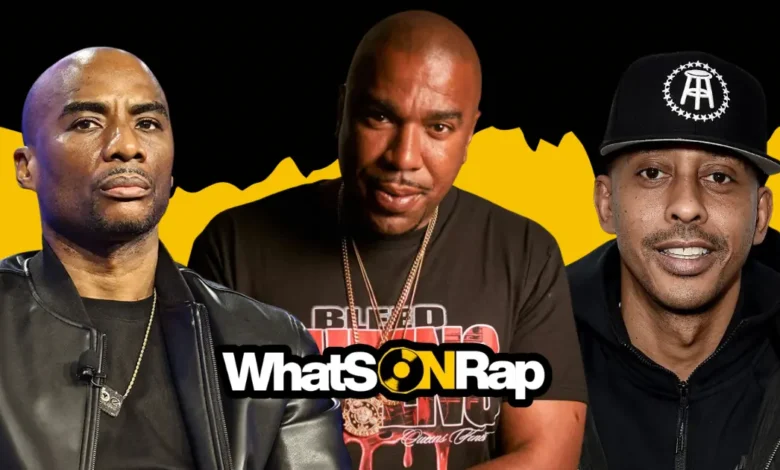
Hip-hop podcasters have become the dominant storytellers of the culture in 2026, carrying forward a rich tradition of spoken-word expression that has defined the genre since its earliest days. From the crackle of old radios to today’s crystal-clear long-form episodes, these voices continue to shape how millions of fans around the world experience, debate, and celebrate hip-hop.
The voice has always been at the heart of hip-hop. Long before glossy magazines, music videos, or streaming playlists ever existed, the culture was built on spoken word, the lively MC banter at Bronx block parties in the 1970s, the energetic call-and-response that turned a simple DJ’s breakbeat into a full communal ritual, and the powerful storytelling that transformed everyday struggles and street realities into timeless anthems that resonated far beyond the neighborhood.
Hip-hop didn’t start with radio or podcasts; it started with people talking, hyping up the crowd, shouting out the block, playfully roasting rivals, and passing down hard-earned knowledge from one generation to the next in real time. When rap records began appearing in the late 1970s and early 1980s, that deep oral tradition naturally migrated to the airwaves. Radio became the very first mass amplifier for the culture at a time when major labels still dismissed hip-hop as nothing more than a passing fad.
The idea of dedicated hip-hop radio was truly revolutionary: instead of squeezing rap songs between R&B tracks as an afterthought, visionary DJs and hosts carved out entire shows (and eventually entire stations) where rap could breathe freely, host intense battles, and help build a genuine sense of community among listeners. By the 2010s, as smartphones and on-demand audio rapidly took over, that same spirit evolved into podcasts, offering longer, completely uncut, and often artist-controlled conversations that feel exactly like sitting in the middle of a late-night cypher or a relaxed barbershop debate.
In 2026, hip-hop podcasters have become the new power structure in hip-hop. They shape public narratives, help break (or sometimes bury) albums, preserve invaluable oral history for future generations, and give artists direct access to fans without traditional gatekeepers standing in the way. This article journeys through that full evolution, spotlighting the legendary radio voices who laid the original foundation and the modern hip-hop podcasters who have turned the microphone into a true empire.
Table of Contents
Hip-Hop Podcasters: The Spark – How Hip-Hop’s Oral Tradition Became Radio
Hip-hop was born in the South Bronx in the 1970s amid severe economic hardship, widespread gang violence, and an incredible explosion of creativity that poured out of crowded house parties and park jams. DJs like Kool Herc, Afrika Bambaataa, and Grandmaster Flash extended classic breakbeats for as long as possible while MCs hyped the crowd with clever rhymes, personal shout-outs, and playful roasts that kept everyone engaged and moving. This live, spoken-word interaction formed the very DNA of the entire culture and set the tone for everything that would follow.
When rap records started dropping, beginning with Sugarhill Gang’s groundbreaking “Rapper’s Delight” in 1979, fans no longer wanted to hear just the songs themselves; they craved real context, stories about ongoing battles, and deeper insight into the personalities behind the music. Small independent stations began selling airtime to bold and passionate DJs who were willing to take risks. This true DIY spirit led directly to the first dedicated hip-hop radio programs in New York City, where hosts didn’t simply play records, they actively narrated the culture in real time, making listeners feel like active participants in a growing movement.
On the West Coast, a similar hunger for representation created the first station devoted almost entirely to rap. These early experiments proved beyond doubt that hip-hop needed dedicated platforms if it was going to survive and truly grow. Without these hip-hop podcasters, the genre might easily have remained a strictly local New York phenomenon. Instead, radio played a massive role in turning it into a powerful global movement that continues to evolve today.
Mr. Magic and the Birth of Hip-Hop Radio
Mr. Magic (John Rivas) is universally recognized as the godfather of hip-hop radio. In the early 1980s, he launched Rap Attack on WBLS in New York, teaming up with the brilliant producer and DJ Marley Marl. At a time when rap was still widely considered nothing more than a novelty act, Mr. Magic’s Saturday night show gave the genre a consistent and respected home on the airwaves.
The show actually started as the Mr. Magic Disco Showcase simply because there wasn’t enough rap music available yet to fill an entire slot, but by the mid-1980s, it had transformed into all hip-hop, all the time. Mr. Magic’s warm, charismatic, and highly engaging delivery made every listener feel like they were part of an exclusive inner-circle club. He helped ignite legendary rivalries such as the Bridge Wars and gave countless aspiring MCs their very first meaningful radio play that could launch careers. The Notorious B.I.G. paid him an eternal tribute on the classic track “Juicy” with the immortal line: “Every Saturday, Rap Attack, Mr. Magic, Marley Marl.”
Mr. Magic passed away in 2009, but his pioneering spirit, the ability to turn very limited airtime into a genuine cultural movement, lives on strongly in every podcast that treats hip-hop with the seriousness and depth it deserves rather than treating it as mere background noise.
Kool DJ Red Alert: The Tastemaker Who Bridged Worlds
Kool DJ Red Alert (Frederick Crute), born in Antigua and raised in Harlem, became one of the most influential figures in hip-hop’s early radio days. Starting as one of hip-hop podcasters on Kiss FM (WRKS) in 1983 with his show Red Alert Goes Baserk, he was mentored by Afrika Bambaataa and became one of the first Zulu Nation-affiliated DJs to secure a regular slot on commercial radio.
Red Alert didn’t just play records, he skillfully mixed in dancehall, reggae, and house elements, beautifully reflecting hip-hop’s deep Caribbean and African diasporic roots. He passionately championed the Native Tongues collective, including A Tribe Called Quest, De La Soul, and the Jungle Brothers, and played a key role in both the Roxanne Wars and Bridge Wars, often landing on the opposite side of his friendly rival Mr. Magic. His consistently high-energy style and eclectic music selections helped hip-hop feel vibrant, inclusive, and far more multi-dimensional than many outsiders assumed.
Even decades later, countless artists still credit Red Alert with giving them their first major radio spins and helping shift hip-hop from small underground parties into mainstream cultural acceptance. He remains a living, breathing link to the culture’s most foundational moments.
KDAY and the West Coast Radio Revolution
While New York had intense competition between colorful personalities, Los Angeles created something even bolder: the first radio station dedicated almost entirely to rap music. In 1983, KDAY (1580 AM) under the visionary leadership of music director Greg Mack, became the first station in the entire country to play hip-hop around the clock, 24 hours a day, seven days a week.
Mack brought in talented mixers like a young Dr. Dre and DJ Yella very early on, and the station quickly became a powerful launchpad for West Coast talent that included Ice-T, N.W.A., and Above the Law. Artists from every corner of the country soon realized that securing regular play on KDAY was one of the most important keys to gaining meaningful national exposure beyond the New York tri-state area. The station successfully turned local neighborhood sounds into a full-blown regional movement and proved once and for all that hip-hop could thrive and evolve far beyond its Bronx birthplace.
KDAY’s remarkable success showed the industry that radio wasn’t simply about chasing hits, it was about building a strong regional identity and giving the culture the geographic breathing room it needed to grow in different directions.
Funkmaster Flex: Explosive Energy Defines an Era
Funkmaster Flex arrived at Hot 97 as one of hip-hop podcasters in 1992 and quickly established himself as the definitive voice of New York hip-hop during its commercial golden age. His booming, unmistakable voice, signature “bombs” (those explosive sound effects that became legendary), and relentless stream of exclusive tracks turned every single one of his shows into a genuine event that fans eagerly anticipated.
Flex released multiple gold-certified mixtape albums, dominated the famous Tunnel nightclub alongside Big Kap, and single-handedly turned the DJ booth into a full-scale branded empire. From Biggie and Jay-Z all the way through to later generations of stars, his powerful platform could genuinely make or break records inside New York City. His no-nonsense attitude combined with deep industry connections made him a true gatekeeper during one of the most competitive eras in hip-hop history. In many ways, Flex perfectly embodied the raw, competitive, and larger-than-life energy of 1990s New York rap as it played out on the airwaves.
Angie Martinez: Warmth and Credibility in a Male-Dominated Space
Angie Martinez, affectionately known as “The Voice of New York,” brought a completely different and much-needed energy to Hot 97. Starting out as a protégé of Funkmaster Flex, she carefully developed a warm, conversational, and highly empathetic interviewing style that consistently made even the biggest artists feel comfortable enough to open up in honest and revealing ways. Her shows regularly featured iconic freestyles and interviews that felt more like genuine conversations between friends than standard promotional appearances.
Angie successfully navigated the often challenging male-dominated radio world with remarkable grace, respect, and quiet strength. She later transitioned smoothly into television, acting, and her own independent media ventures. Her honest memoir, My Voice captures both the significant challenges and the inspiring triumphs of becoming one of the most trusted female voices in hip-hop. Through her work, she clearly proved that radio could be highly entertaining while remaining emotionally intelligent and deeply respectful at the same time.
Sway Calloway and The Wake Up Show Legacy
Sway Calloway, often working alongside King Tech, built The Wake Up Show into a respected national institution that became widely known for its consistently high-quality freestyles and thoughtful, well-researched interviews. Starting first in the Bay Area before expanding nationwide, Sway brought a strong sense of journalistic depth and credibility to hip-hop radio during an era when many other shows leaned heavily into pure entertainment and spectacle.
He later moved over to SiriusXM with Sway in the Morning, where he continued the proud tradition of hosting live freestyles from both established legends and exciting newcomers alike.
Sway’s calm, knowledgeable, and respectful presence earned him genuine admiration and trust across multiple generations of artists and fans, and he played a key role in helping elevate hip-hop conversations well beyond short soundbites into something more meaningful and lasting.
The Breakfast Club: Viral Morning Mayhem
The Breakfast Club (Charlamagne tha God, Angela Yee, and DJ Envy) on Power 105.1 turned morning radio into an exciting cultural battlefield throughout the 2010s. Charlamagne’s sharp and often hilarious “Donkey of the Day” segments, his unfiltered hot takes, and the show’s many viral interviews quickly made it a daily water-cooler event that people talked about across social media and beyond. Angela Yee provided important balance and later built several successful platforms of her own, while DJ Envy reliably held down the music side with energy and expertise.
The show, along with its popular podcast extension, demonstrated exactly how traditional radio could dominate online conversations and powerfully shape industry narratives in real time during a rapidly changing media landscape.
The Joe Budden Podcast: Podcasting’s Hip-Hop King
The Joe Budden Podcast elevated the entire podcast format to a new level within hip-hop. Former rapper and one of the best hip-hop podcasters, Joe Budden created a dedicated space for sharp cultural commentary, brutally honest album reviews, and completely unfiltered industry talk that pulled no punches. With several memorable co-host lineups over the years (especially the famous Rory & Mal era), the show became an absolute must-listen for any serious fan and has consistently ranked among the top podcasts overall, not just in the hip-hop category.
Joe’s fearless willingness to speak his mind candidly, even when it proved controversial, helped transform the podcast into a true cultural institution that continues to influence how people think about and discuss hip-hop in 2026 and beyond.
Hip-hop podcasters like Joe Budden raised the bar for honest commentary and cultural critique, showing that long-form discussions could attract massive audiences while still delivering raw, unfiltered opinions that traditional radio often avoided. His success proved that hip-hop podcasters could become major cultural influencers capable of shaping industry conversations for years.
Drink Champs: The Ultimate Boozy Hip-Hop Hangout
Drink Champs, hosted by N.O.R.E. and DJ EFN since 2015, is pure vibe from start to finish. The duo sits down with both legends and current stars over drinks, trading wild war stories, sharing big laughs, and showing profound respect for hip-hop history in every episode. N.O.R.E.’s guiding philosophy of giving artists their flowers “while they can still smell them” has resulted in many unforgettable conversations with guests ranging from Nas and Lil Wayne to Diddy and beyond.
Its laid-back, party-like energy and authentic atmosphere make the show endlessly rewatchable and easily one of the most entertaining long-running hip-hop podcasts available today.
Through their relaxed and authentic format, hip-hop podcasters such as N.O.R.E. and DJ EFN demonstrated how powerful it can be to combine celebration with deep storytelling. This approach helped millions of listeners feel closer to the legends of the game, further cementing the important role hip-hop podcasters now play in preserving hip-hop’s rich oral history.
Million Dollaz Worth of Game: Street Wisdom Meets Real Talk
Million Dollaz Worth of Game, led by two of most popular hip-hop podcasters, Gillie da Kid and Wallo267, masterfully mixes rap discussion, practical life lessons, sharp comedy, and raw honesty into a format that feels completely unique. Gillie brings years of hard-earned industry experience and straight-talking perspectives, while Wallo adds charismatic motivation, humor, and heartfelt moments that resonate deeply with listeners. The show consistently feels like sitting down with wise big brothers who have truly seen it all and are generous enough to share their insights.
It has earned an incredibly devoted following by skillfully blending entertainment with real-world practical wisdom, and it is frequently ranked among the top three hip-hop podcasts alongside Joe Budden and Drink Champs.
Rap Radar: The Journalistic Gold Standard
Rap Radar, hosted by veteran hip-hop podcasters and journalist Elliott Wilson and B.Dot, delivers deep, long-form interviews that treat hip-hop like serious art worthy of careful examination. Elliott brings decades of unmatched credibility from his work at XXL, his influential blog, and extensive industry connections, while B.Dot adds a fresh perspective and sharp, intelligent questions. Their conversations often feel like true masterclasses and do an excellent job of preserving detailed oral history that future generations will continue to reference and learn from.
By maintaining high journalistic standards in every episode, hip-hop podcasters like Elliott Wilson and B.Dot have elevated the entire medium, treating artists’ stories with the seriousness and depth they deserve. This commitment continues to inspire a new wave of hip-hop podcasters who prioritize quality conversations over quick viral moments.
Dissect: Turning Albums Into Academic-Level Analysis
Dissect, created and hosted by Cole Cuchna, stands apart from almost every other show by offering meticulous track-by-track breakdowns of both classic and modern albums. Treating full projects like literature or film, the show explores complex themes, intricate production choices, layered lyrics, and broader cultural context with impressive intellectual depth and clarity.
Episodes focused on projects like Kendrick Lamar’s To Pimp a Butterfly or Kanye West’s My Beautiful Dark Twisted Fantasy have helped many longtime fans develop an even greater appreciation for hip-hop’s true artistic complexity and sophistication.
Cole Cuchna’s analytical style reminds us that hip-hop podcasters can function as both educators and cultural critics, helping fans appreciate the artistic layers within classic and modern albums. Through detailed breakdowns, hip-hop podcasters like him have expanded how the culture is studied and respected in academic and casual circles alike.
The Broader Landscape and the Future
Other vital voices that continue to enrich the space include Talib Kweli’s People’s Party (known for its conscious and activist-minded discussions), Angela Yee’s Lip Service, the post-Joe Budden project New Rory & Mal, business-focused shows like Earn Your Leisure, and various underground podcasts that keep niche scenes and classic discussions alive and thriving. Hybrid creators and strong international voices are also steadily expanding the conversation in exciting new directions.
Today, hip-hop podcasters continue to empower artists to control their own stories while giving fans deeper access and understanding than ever before. From the crackle of 1980s airwaves to today’s crystal-clear long-form episodes, the spirit remains exactly the same: hip-hop thrives when people are talking about it, passionately and authentically.