Nicki Minaj Politics Bad Luck Curse Trends Online After Trump Party Loss
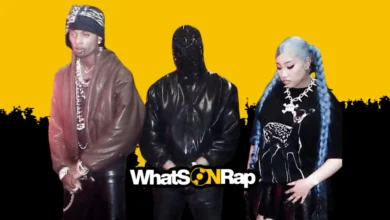
All the Republican candidates supported by NICKI MINAJ lost to the Democrats!

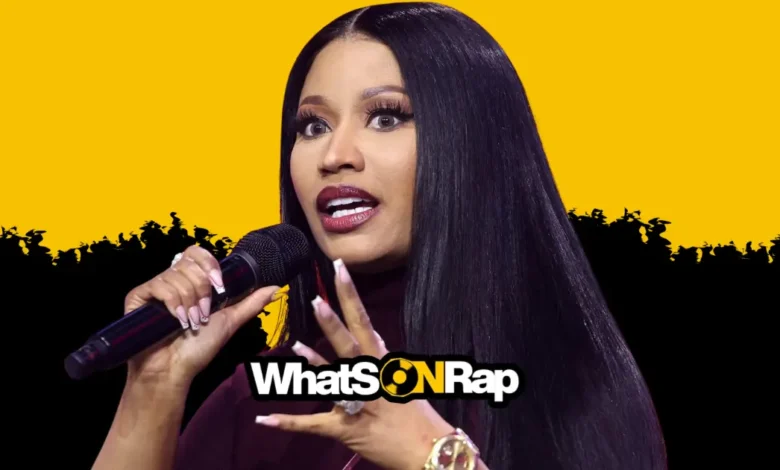
The Nicki Minaj politics bad luck curse became an instant online obsession across social media platforms after the rap icon’s high-profile political endorsements coincided with widespread election night losses for Republican candidates. Over recent months, the hip-hop megastar systematically leaned into conservative political circles, appearing live on political talk shows, taking photo opportunities with high-ranking party figures, and attending campaign rallies in battleground states like Michigan and New Hampshire.
However, as election tallies revealed major Democratic flips across key swing districts, millions of internet users instantly transformed her partisan pivot into a comedic, viral “jinx” narrative that dominated trending feeds.
This explosive digital collision represents one of the most unusual intersections of pop culture, online fandoms, and national politics in recent history. Rather than operating like traditional celebrity endorsements, where stars issue polished statements or perform at quiet fundraising dinners, this crossover brought all the raw, unfiltered friction of music industry fan feuds directly onto the national political stage.
From viral TikTok edits juxtaposing rally footage with election night result graphics to endless commentary threads on X, the internet reframed standard political strategy into high-octane digital entertainment.
What truly elevated this story into an unforgettable viral moment was how the artist herself refused to step out of the digital arena. Instead of ignoring the wave of satirical trolling, Nicki Minaj fired back with an unyielding 15-point statement that attacked her critics, defended Donald Trump, and delivered instantly quotable retorts. Examining how a high-profile political strategy quickly mutated into a legendary social media meme offers a fascinating glimpse into the volatile world of modern celebrity culture and online discourse.
Table of Contents
Nicki Minaj Politics Bad Luck Curse Trends Online After Trump Party Loss
Following the conclusion of the recent midterm elections, social media feeds exploded with viral posts directly linking the final ballot results to the rap star’s public backing. The phrase Nicki Minaj politics bad luck curse rocketed to the top of trending lists as users meticulously compiled timelines of every conservative candidate who lost after receiving her public stamp of approval. Satirical posts framed her campaign trail appearances as an unintentional digital jinx, creating a wave of hilarious meme formats that swept across X, Instagram, and TikTok.
The rapid viral spread of the trend highlights the distinct, fast-paced nature of modern internet humor. Rather than treating campaign coverage through a standard analytical lens, online commentators analyzed the election like a dramatic pop culture storyline. Users humorously suggested that bringing standard rap beef energy and online fan wars to national political campaigns invited an unavoidable wave of unpredictable internet chaos that completely backfired on polling day.
While political strategists pointed to voter turnout statistics, economic debates, and local policy messaging to explain the election results, digital audiences remained laser-focused on the pop culture angle. The “curse” narrative provided a lighthearted, satirical framework for users navigating complex political headlines. As meme compilations accumulated tens of millions of views, the concept firmly established itself as one of the defining viral moments of the entire election cycle.
How the Political Pivot Started: From Vaccine Tweets to Campaign Rallies
The roots of this viral phenomenon were planted well before the current election cycle gained national steam. The superstar’s public alignment with conservative figures first began taking shape during public health debates, when her candid social media comments about vaccines drew sharp criticism from mainstream media outlets while receiving enthusiastic defense from right-wing commentators. Over time, that initial common ground blossomed into full-throated political commentary and vocal support for key conservative causes.
As the campaign season intensified, that digital solidarity transformed into real-world action. The artist made high-profile media appearances, sat for interviews on conservative broadcasts, and urged her massive follower base to “vote red”. She took her message directly to the campaign trail, standing alongside political figures at rallies in critical battleground states to energize young voters and promote the Republican platform.
This bold shift marked a dramatic departure from standard celebrity political participation. Instead of maintaining a cautious distance or offering vague calls for civic engagement, the music icon fully immersed herself in partisan politics. By placing herself directly in the spotlight of national elections, she ensured that any eventual victory or defeat for her endorsed candidates would trigger an immense, passionate reaction from the internet.
The Internet Backlash: Citizenship Calls, Chucky Drama, and Online Feuds
As her political profile rose, critics and rival fanbases began picking apart every element of her involvement. A central point of contention raised by online detractors focused on her legal status; as a Trinidadian citizen residing in the United States, she does not possess voting rights in American elections. Social media users routinely highlighted this fact, creating viral posts mocking the irony of a non-voter aggressively telling American citizens how to vote at polling stations.
The digital friction soon spilled over into absurd pop culture territory on Election Day, most notably through a bizarre clash involving AI-generated artwork. After the rapper posted an AI photo depicting the iconic horror doll Chucky wearing a pink suit and a “Vote Red” button, the character’s original creator, Don Mancini, stepped in with an emphatic public correction. Mancini posted on X calling her an “IMPOSTER” and declared that “Chucky is part of the blue wave,” reminding followers that the fictional character famously has a trans kid and stands firmly against conservative policy stances.
These surreal side feuds added endless fuel to the Nicki Minaj politics bad luck curse discourse. Screen recordings of the back-and-forth exchange between the rap star and a horror movie creator circulated wildly, with users arguing that her political era had descended into pure internet surrealism. Every new online spat provided fresh fodder for meme creators looking to poke fun at the chaotic nature of the political crossover.
The 15-Point Manifesto: “I Don’t Vote, I VETO” and Clapping Back at Critics
Never one to shrink from digital warfare, the rap star unleashed a fiery, multi-point response on X to directly confront her critics after election results were finalized. In a widely quoted 15-point statement, she stood firmly by her political choices, lashed out at mainstream Democratic messaging, and ridiculed the opposition for spending massive campaign funds on celebrity-heavy promotions that ultimately failed.
Among the most explosive statements in her release was her defiant declaration addressing her non-voting status: “I don’t vote, I VETO,” followed closely by a message instructing her critics to “Stay tuned & STAY MAD”. She reaffirmed her unwavering allegiance to the Republican leader, stating clearly to her millions of followers that “Trump is STILL your PRESIDENT,” while taking time to congratulate specific endorsed conservative representatives like Anna Paulina Luna and Byron Donalds.
Nicki Minaj’s 15-Point Post Highlights:
Her dramatic defense extended beyond politics to include shoutouts to platform owner Elon Musk, pointing out that her critics were actively enriching his app while trying to tear her down online. While her loyal followers cheered her sharp, unapologetic tone, online detractors viewed the massive post as clear evidence that the Nicki Minaj politics bad luck curse memes were deeply getting under her skin, causing the viral story to trend even longer.
A Fractured Fanbase: The Barbz Divide and Pop Culture Roasts
The star’s political stance created a dramatic fracture within her famed fanbase, historically known as the “Barbz.” Widely recognized as one of the most organized and formidable fan communities on the internet, the group found itself deeply divided over her public endorsements. While loyal loyalists defended her right to express her personal beliefs freely, a substantial portion of the fanbase expressed deep disappointment, pointing out apparent conflicts between conservative political platforms and the artist’s traditionally diverse LGBTQ+ and minority audience.
Across platforms like TikTok and X, disappointed former fans posted videos taking down wall posters, throwing away concert merchandise, and announcing they were officially “de-Barbing.” This internal fandom conflict provided even more material for mainstream social media users, who posted endless videos contrasting her early career pop anthems with her recent political speeches.
The situation quickly became prime material for mainstream comedians, late-night hosts, and pop culture commentators. Stand-up comics routinely integrated her political shift into their live sets, cracking jokes about the absurdity of a hip-hop icon touring campaign stops alongside conservative politicians. The non-stop pop culture roasting reinforced just how deeply the narrative had penetrated mainstream consciousness.
Why Pop Culture Memes Turn Political Endorsements Into Bad Luck Stories
The ongoing viral saga surrounding the Nicki Minaj politics bad luck curse reflects a broader shift in how modern audiences engage with celebrity political involvement. In today’s hyper-connected digital landscape, high-profile endorsements carry immense risk for public figures. When a global superstar steps outside their musical lane to champion a partisan political cause, social media algorithms instantly amplify both the fan enthusiasm and the inevitable pushback.
When endorsed candidates run into election day losses, social media platforms naturally lean toward satirical, ironic framing. Running jokes like “curses” and “jinxes” spread far faster than traditional political analysis because they are bite-sized, visually engaging, and effortlessly shareable. The artist’s continuous decision to engage directly with her critics only guaranteed that search engine algorithms and trending pages kept the story alive.
Ultimately, this unforgettable online moment shows how delicate the balance is between political campaigning and viral internet culture. While political parties will always seek out star power to energize voters, the internet’s relentless appetite for satire ensures that any high-profile political setback can instantly transform a major endorsement into the next great viral meme.