Rap collaborations trend and why it dominates today’s music scene
Rap collaborations are taking over the hip-hop game.

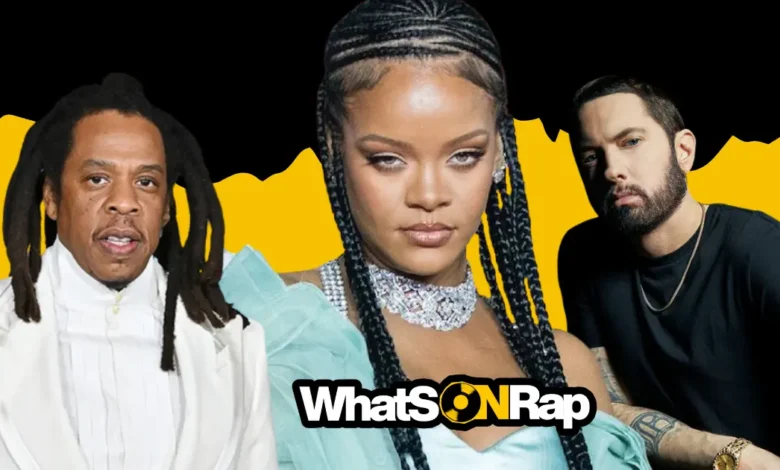
Rap collaborations are bigger than ever, and the trend is only accelerating as streaming, global audiences, and cross-genre experimentation reshape how artists create and release music. What used to be occasional link-ups between rappers has now become a core foundation of the modern hip hop industry.
Instead of being special events, collaborations are now a consistent strategy used to dominate charts, expand audiences, and stay relevant in an extremely fast-moving digital music environment. In today’s landscape, a single feature can completely change an artist’s career trajectory, making collaboration not just an option but a necessity.
In this article, you’ll discover how this shift happened over time, why it has become so powerful in today’s streaming-driven ecosystem, and which artists are currently leading the movement. We’ll break down the rise of the modern rap collab, the growing importance of hip-hop features in streaming performance, and how rapper features are now used as strategic tools for global exposure.
By the end of this article, you will have a complete understanding of why this trend is dominating hip hop culture, how rap collaborations 2026 differ from older eras where albums were more independent, and how the future of music is being built around shared creativity. This is not just a passing trend, it is a structural shift in how music is made, released, and consumed globally.
Table of Contents
Rap collaborations trend and why it dominates today’s music scene
The rise of rap collaborations is not random, it is the result of major structural changes in the music industry over the last decade. With platforms like Spotify and Apple Music shaping how music is discovered and consumed, artists are no longer relying on traditional album cycles. Instead, they release more frequent singles and strategically planned collaborations designed to maximize streaming performance and algorithmic reach.
A single rap collab today can instantly expose an artist to entirely new global audiences. When two major fanbases merge on one track, the results are immediate: higher streaming numbers, stronger playlist placement, and increased social media engagement. This is why hip hop features are now carefully planned marketing tools rather than simple creative decisions. In many cases, a feature is chosen specifically because it can unlock a new demographic or geographic market.
Globalization has also completely reshaped rap music. Hip hop is no longer centered in one region; it is a worldwide culture. Artists from Africa, Europe, Latin America, and Asia are now regularly collaborating with American rappers, creating a global network of sound exchange. This is one of the main reasons rap collaborations 2026 feel more diverse and experimental than ever before, blending languages, rhythms, and cultural influences into mainstream releases.
The business power behind collaborations
Beyond artistic creativity, collaborations have become one of the most powerful business tools in the modern music industry. Record labels now treat features as calculated investments that can determine whether a track becomes a global hit or gets lost in streaming platforms. In today’s attention economy, visibility is more valuable than ever, and collaborations are one of the fastest ways to achieve it.
When major artists collaborate, their combined influence often pushes tracks directly into top positions on the Billboard Hot 100. Even a short rapper feature can significantly increase a song’s performance because it brings an entirely new listener base into the release. This means that collaborations are no longer just about music chemistry, they are about data, reach, and market expansion.
Labels also strategically use collaborations to introduce new talent, revive established careers, and position artists in different genres. In addition, viral platforms like TikTok amplify the impact of collaborations even further, turning short snippets of hip hop features into global trends overnight. Because of this ecosystem, the biggest rap collaborations 2026 are rarely accidental, they are carefully designed from the beginning.
How streaming changed the collaboration culture
Streaming has completely reshaped how artists think about music creation. In the past, albums were the main artistic statement. Today, however, singles and collaborations dominate the industry because they perform better in algorithm-driven environments. Platforms reward consistency, engagement, and replay value, all of which collaborations naturally provide.
Artists now release music at a much faster pace, often featuring multiple hip-hop features within a single year. This strategy ensures constant visibility and keeps them active in playlists and recommendation systems. In addition, curated playlists on streaming platforms have become one of the most powerful promotional tools in music history, and collaborative tracks are often prioritized because they appeal to multiple audiences at once.
This shift has made the rap collab model one of the most effective strategies for long-term success. Instead of relying solely on solo projects, artists now build careers through continuous collaboration cycles that maintain momentum and relevance in a highly competitive digital space.
Major artists leading the trend
- Drake: Remains one of the most dominant figures in modern collaboration culture. His ability to adapt across different styles and genres has made him one of the most featured artists in history. Whether working with emerging talent or global superstars, his rapper features consistently generate massive streaming numbers and shape mainstream hip hop trends.
- Travis Scott: Has redefined what a modern collaboration can sound like. His work often blends trap, experimental production, and atmospheric sound design, creating immersive musical experiences. His collaborations frequently dominate both streaming charts and cultural conversations, making him a key force in rap collaborations 2026.
- Kendrick Lamar: Takes a more selective but highly impactful approach. Unlike artists who collaborate frequently, Kendrick uses features strategically, ensuring that each appearance carries strong artistic meaning and cultural weight. This makes his collaborations some of the most respected in modern hip hop.
- Future: One of the most consistent collaborators in the genre. His sound has become a foundational element of modern trap music, and his frequent hip hop features continue to shape the sonic identity of mainstream rap.
- Lil Baby: Represents the newer generation of artists who understand the importance of collaboration in building global reach. His features are often strategically placed on high-performing tracks, helping him maintain strong visibility across international markets.
Notable Collaborations over the years
Drake and Future
One of the most impactful collaborations in modern hip hop history is the partnership between Drake and Future. Their chemistry has produced multiple hits that define the sound of the 2010s and early 2020s. Tracks like “Life Is Good” highlight how two dominant artists can consistently create chart-topping rap collabs that perform strongly across streaming platforms and global charts.
Travis Scott and Kid Cudi
The collaboration between Travis Scott and Kid Cudi on “THE SCOTTS” represents a fusion of psychedelic influences and modern trap production. This track showed how hip hop features can evolve beyond traditional rap structures into experimental soundscapes that influence entire new waves of artists.
Eminem and Rihanna
“Love the Way You Lie” remains one of the most powerful cross-genre collaborations ever released. The emotional storytelling from Eminem combined with Rihanna’s vocal strength created a global anthem that dominated charts worldwide and remains a reference point for successful rapper features.
JAY-Z and Kanye West
“Watch the Throne” marked a cultural shift in hip hop by showing that two of the biggest names in rap could merge their creativity into a single cohesive project. The album elevated collaboration to a luxury and artistic statement, influencing how modern rap collaborations 2026 are structured.
Drake and Rihanna
Their collaborations helped define a generation of pop-rap fusion. Songs like “Work” became global hits, showing how emotional chemistry and mainstream appeal can turn rap collabs into timeless records.
Post Malone and 21 Savage
“Rockstar” became one of the most streamed songs globally, demonstrating how minimalist production combined with strong rapper features can dominate streaming platforms and viral culture simultaneously.
Cardi B and Megan Thee Stallion
“WAP” became a cultural phenomenon, breaking streaming records and dominating online discourse. It proved that female-led collaborations can shape global music trends just as strongly as any male-dominated release.
Lil Nas X and Jack Harlow
“Industry Baby” showed how humor, visuals, and bold hip hop features can create massive viral success while still maintaining strong chart performance across global markets.
Global expansion of rap collaborations
One of the most important aspects of rap collaborations 2026 is their global expansion. Artists are no longer limited by geography, and collaborations now frequently cross continents, languages, and cultural boundaries.
African artists are collaborating with American rappers, Latin artists are merging reggaeton with hip hop, and European producers are shaping hybrid sounds that influence global charts. This international exchange is not only expanding audiences but also redefining what modern hip hop sounds like.
Social media and viral success
Social media has become one of the most powerful drivers of collaboration success. A single viral moment on platforms like TikTok can turn a collaboration into a worldwide hit within days. Short-form content allows users to engage with hip hop features in creative ways, often boosting streams far beyond traditional marketing methods.
Because collaborations bring multiple audiences together, they naturally increase the chances of viral success, making them one of the most effective tools in modern music promotion.
What defines the biggest collaborations today
The biggest rap collaborations of 2026 are defined not only by star power but also by data performance, cultural impact, and viral potential. A successful collaboration today must perform across streaming platforms, social media, and global markets simultaneously. It is no longer enough to just release a song; it must dominate attention across multiple ecosystems.
The future of rap collaborations
Looking forward, collaborations will continue to evolve and become even more central to the music industry. We can expect more cross-border projects, more genre fusion, and more technologically enhanced production styles that push creative boundaries further than ever before.
As the industry becomes more connected globally, rap collaborations 2026 will likely set the foundation for the next decade of hip hop evolution.
Final thoughts
Rap collaborations are no longer occasional artistic experiments; they are the foundation of modern hip hop. Driven by streaming platforms, global connectivity, and social media influence, they now define how music is created, shared, and consumed.
From industry giants like Drake to rising stars, collaboration is now the most powerful tool in shaping success. Whether it is a strategic rap collab or a viral hip hop feature, these partnerships are transforming the entire music industry.
As the landscape continues to evolve, one thing is certain: collaboration is not just the future of rap, it is the present.